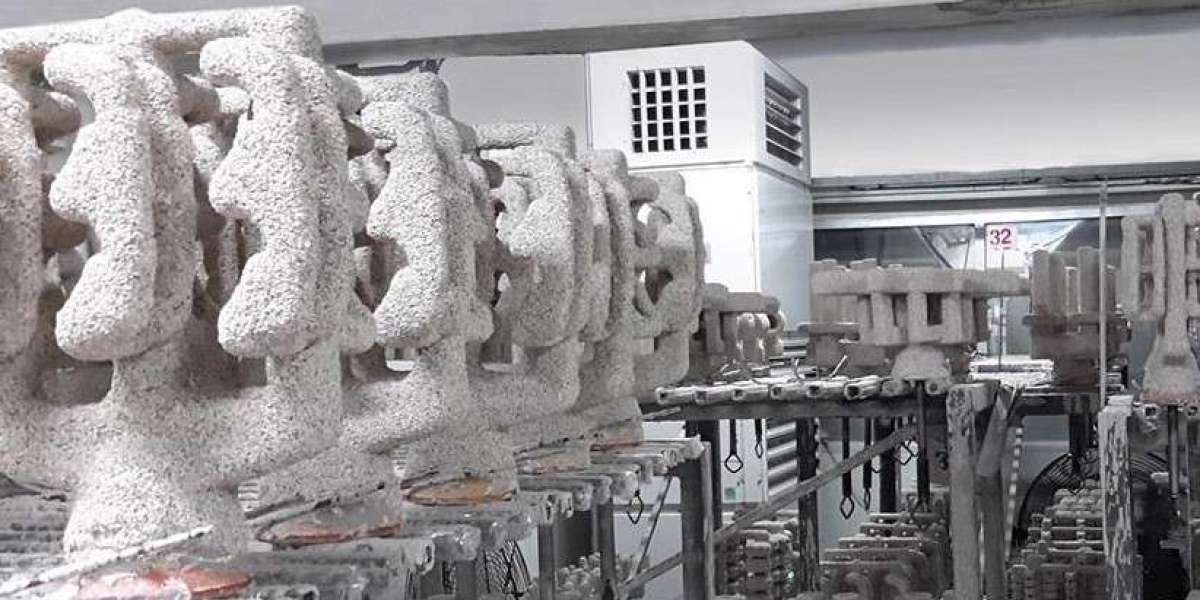

Understanding Fluid Machinery and Its Components
Before exploring seals and bearings, it’s crucial to understand the broader category they belong to: fluid machinery parts. Fluid machinery refers to machines that transfer energy between a fluid and mechanical components. Examples include pumps, compressors, turbines, and hydraulic machines. These machines rely on precise engineering and robust parts to ensure efficient energy transfer and minimal losses.
Among the various components in fluid machinery, seals and bearings are critical for smooth operation. They help reduce friction, prevent leaks, and maintain internal pressure—each of these functions contributes to the overall efficiency and durability of the equipment.
The Role of Bearings in Fluid Machinery Parts
Bearings are mechanical components that facilitate controlled movement between parts, typically reducing friction between rotating or sliding surfaces. In fluid machinery, bearings support the rotating shafts and help maintain alignment, which is vital for smooth and efficient operation.
Types of Bearings Used in Fluid Machinery
Several types of bearings are used in fluid machinery parts:
Ball Bearings: Ideal for applications involving radial and axial loads with moderate speeds.
Roller Bearings: Designed to handle heavier loads and offer higher durability.
Journal Bearings (Sleeve Bearings): Common in large pumps and turbines, these bearings use a thin film of lubricant to reduce friction.
Magnetic Bearings: Used in highly specialized machinery, offering contact-free support, reducing wear, and increasing efficiency.
How Bearings Affect Efficiency
Reducing Friction and Energy Loss: The primary function of bearings is to minimize friction between moving parts. Lower friction means less energy wasted as heat, directly improving the machine's efficiency.
Maintaining Alignment: Bearings keep rotating shafts aligned correctly. Misalignment can cause uneven wear and vibrations, increasing energy consumption and reducing the lifespan of machinery parts.
Supporting Loads: Properly chosen bearings support both radial and axial loads, preventing damage to other components, which, if compromised, could lead to inefficient operation or failure.
Reducing Vibration and Noise: Well-maintained bearings minimize vibrations and noise, which are signs of inefficiency and mechanical stress.
The Impact of Seals on Fluid Machinery Efficiency
Seals are designed to prevent the escape of fluids (liquids or gases) from the machinery and to keep contaminants out. They maintain the internal environment necessary for efficient fluid flow and pressure control.
Types of Seals in Fluid Machinery
Mechanical Seals: Common in pumps and compressors, these seals use a rotating ring pressed against a stationary ring to create a tight seal.
Lip Seals: Used for lighter sealing tasks, lip seals prevent fluid leakage around shafts.
Gland Packing: An older sealing method involving packing materials compressed around the shaft.
Labyrinth Seals: Used mainly in turbines and compressors where minimal leakage is acceptable but friction must be low.
How Seals Affect Efficiency
Preventing Fluid Leakage: Leakage leads to loss of fluid, pressure drops, and contamination of the environment. Efficient seals ensure that fluid machinery parts maintain pressure and flow rates, crucial for efficient operation.
Reducing Frictional Losses: While seals must prevent leaks, they also introduce friction, especially those in contact with rotating parts. Selecting low-friction seals is essential to balance sealing performance and minimize energy losses.
Protecting Internal Components: Seals keep dirt, dust, and other contaminants out of the machinery. Contaminants can accelerate wear on bearings and other parts, lowering efficiency and increasing maintenance costs.
Extending Machinery Lifespan: By maintaining proper sealing, the internal environment is preserved, reducing corrosion and wear, which ultimately prolongs the life and efficiency of fluid machinery parts.
The Interplay Between Seals and Bearings
Seals and bearings don’t operate in isolation; their performance affects each other. For example:
Poor sealing allows contaminants into the bearing housing, accelerating bearing wear and increasing friction.
Worn bearings may cause shaft misalignment, stressing seals and causing leakage.
Excessive friction from seals can increase the load on bearings, leading to premature failure.
The synergy between these components is vital to maintaining the overall efficiency of fluid machinery parts.
Common Problems Related to Seals and Bearings
Understanding the common problems can help operators and engineers optimize fluid machinery performance:
Seal Wear and Leakage: Over time, seals degrade due to friction, temperature fluctuations, and chemical attack, leading to leakage and efficiency losses.
Bearing Failure: Caused by inadequate lubrication, contamination, misalignment, or excessive loads, bearing failure increases friction and energy consumption.
Overheating: Both seals and bearings generate heat through friction. Without proper heat dissipation, overheating can cause rapid degradation and breakdown.
Vibration and Noise: Signals that bearings or seals are failing, often indicating inefficiency and imminent failure.
Best Practices for Optimizing Seal and Bearing Performance
Regular Maintenance and Inspection: Routine checks help detect early signs of wear or failure, reducing unexpected downtime and maintaining efficiency.
Proper Lubrication: Lubricants reduce friction and wear in bearings and some seals. Using the right lubricant type and quantity is critical.
Selecting the Right Components: Choosing seals and bearings designed specifically for the operating conditions—pressure, temperature, fluid type—ensures optimal performance.
Monitoring Operating Conditions: Temperature, vibration, and noise sensors can provide early warnings about seal and bearing health.
Precision Installation: Proper installation and alignment prevent early failures and inefficiencies.
Advances in Seal and Bearing Technology
Recent technological advances are enhancing the efficiency of fluid machinery parts:
Advanced Materials: Use of ceramics, composites, and special coatings in seals and bearings improves wear resistance and reduces friction.
Magnetic and Fluid Film Bearings: These reduce contact friction dramatically and extend service life.
Condition Monitoring: IoT and smart sensors allow real-time tracking of seal and bearing health, enabling predictive maintenance.
Improved Seal Designs: New seal configurations reduce leakage and friction, improving overall machinery efficiency.
Conclusion
Seals and bearings, though often overlooked, are fundamental to the efficiency and longevity of fluid machinery parts. Their ability to reduce friction, prevent leakage, maintain alignment, and protect internal components directly influences the performance of pumps, compressors, turbines, and other fluid machinery.
Investing in high-quality seals and bearings, adhering to maintenance best practices, and leveraging technological advances can significantly boost fluid machinery efficiency, reduce energy consumption, and lower operating costs. In industries where fluid machinery is pivotal, understanding and optimizing these components is not just beneficial—it’s essential.


