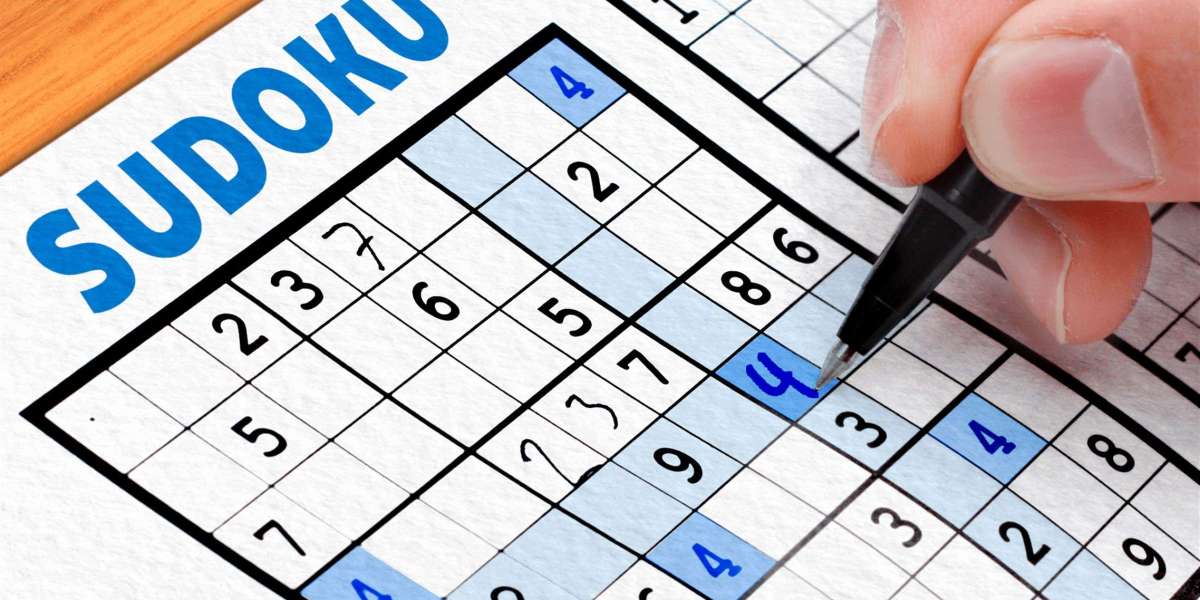

There’s something oddly comforting about getting lost in a Sudoku puzzle. Just you, a grid of numbers, and that satisfying little “click” when everything falls into place. It’s quiet, logical, and completely absorbing — like meditation disguised as math.
I never thought I’d become someone who spends hours staring at boxes and numbers, but here we are. My journey with Sudoku started as a boredom cure, and somehow, it turned into a full-blown obsession that has taught me patience, focus, and humility (lots of humility).
The First Puzzle That Hooked Me
It all began during a long flight when I found a Sudoku puzzle in the in-flight magazine. I was tired of watching movies, so I figured, “Why not?” I grabbed a pen — big mistake — and started filling in numbers confidently.
Ten minutes later, my confidence evaporated. I had accidentally written two 4s in the same column, and suddenly the entire grid made no sense. I had to scratch out half my work and start over.
But something happened then — I wanted to figure it out. I couldn’t just leave it unfinished. When I finally completed that puzzle, it felt like unlocking a tiny personal victory. That’s the addictive charm of Sudoku: it tricks your brain into craving closure.
The Calm Before the Chaos
Every time I start a new Sudoku, there’s a sense of calm. An empty grid. Endless possibilities. It feels organized — logical. But give it five minutes, and that calm turns into chaos.
You place a few numbers easily, thinking, “This one’s going to be simple.” Then suddenly, the puzzle tightens up. You stare at the same nine boxes for what feels like eternity, convinced you’ve missed something obvious.
And yet… that’s part of the fun. The back-and-forth dance between confusion and clarity. Each small breakthrough — spotting a hidden single or realizing a number can only go in one cell — gives you a hit of satisfaction.
The Funny Side of Sudoku Addiction
I’ve played Sudoku everywhere — on the bus, during coffee breaks, even in bed when I couldn’t sleep. Once, I caught myself whispering, “There’s no way 7 fits there,” in public. People looked at me like I’d lost it.
The best (or worst) part is when you convince yourself you’ve “cracked” a hard puzzle… only to realize you made one small error twenty minutes ago, and now everything is wrong. It’s devastating. You either rage-quit or start over.
Once, I proudly showed a completed puzzle to my friend, only for them to point out two 9s in the same row. My ego took a hit that day — but we laughed about it. Sudoku keeps you humble.
Why Sudoku Feels So Good
Sudoku is pure logic — no guessing, no luck. It forces you to slow down, think critically, and trust your reasoning. That’s what makes it so satisfying.
Every puzzle starts messy, but as you work through it, order emerges. It’s like restoring balance in a tiny universe. When you fill in that last cell, you don’t just finish a game — you restore harmony.
It’s no wonder Sudoku has been called “the gym for your brain.” It strengthens your memory, focus, and pattern recognition. But beyond the science, it’s the emotional reward that hooks you. That quiet “aha” moment when your hard work finally clicks is pure gold.
My Little Rituals While Playing
I’ve developed some strange habits after years of Sudoku:
Coffee and calm music. There’s something magical about combining caffeine with logical thinking.
Pencil first, pen later. I learned that lesson the hard way. Erasers are your best friends.
Talking to the grid. I can’t explain it, but I sometimes mutter things like, “Come on, where are you hiding that 2?” It helps, I swear.
Rewarding myself. Every time I solve a tough puzzle, I celebrate — usually with chocolate.
These little rituals make the experience personal. Sudoku isn’t just about solving — it’s about enjoying the process.
Lessons I’ve Learned from Sudoku
After hundreds of puzzles, I’ve realized Sudoku mirrors life in weird ways.
Every mistake teaches you something. You can’t move forward until you fix what’s wrong.
Patience beats speed. Rushing leads to errors — in puzzles and in life.
Sometimes you need to step away. The solution often appears when you stop staring.
Progress happens slowly. One number at a time eventually fills the whole grid.
It sounds silly, but Sudoku has genuinely made me more patient. It’s taught me how to focus, breathe, and trust that even the messiest situations have logical solutions — if you keep looking.
My Favorite Sudoku Moments
There’s one puzzle I’ll never forget. It was labeled “Evil Difficulty,” and I thought, challenge accepted. The first half went smoothly, but then I hit a wall. Every box felt impossible.
I nearly gave up, but I decided to take a break and come back later. When I returned with fresh eyes, everything clicked. Patterns I hadn’t seen before started appearing. I finished it an hour later, feeling like I’d conquered Mount Everest.
That’s the beauty of Sudoku — it rewards persistence. The harder the puzzle, the sweeter the victory.
Sudoku and Mindfulness
I never expected Sudoku to become part of my mental health routine, but it really has. On stressful days, playing a few puzzles helps quiet my thoughts. There’s no noise, no pressure — just logic and focus.
It’s meditative in its own way. You’re forced to be present, to think clearly, to find calm in structure. The outside world fades away. For a few peaceful minutes, it’s just you and the numbers.
My Tips for Fellow Puzzle Lovers
If you’re new to Sudoku or want to get better, here’s what works for me:
Don’t guess. Always use logic. Guessing leads to chaos.
Use pencil marks. Keep track of possible numbers — they’ll save you later.
Scan systematically. Check rows, columns, and boxes in rotation.
Take breaks. Fresh eyes reveal fresh insights.
Enjoy the process. Even mistakes are part of the fun.
The more you play, the more your brain adapts. You start spotting patterns instinctively, and before you know it, you’re solving puzzles you once thought were impossible.
The Perfect Ending
Every Sudoku puzzle ends the same way — with that beautiful moment when you fill in the final number. You lean back, smile, and think, “I did it.” It’s a small victory, but it feels huge.


