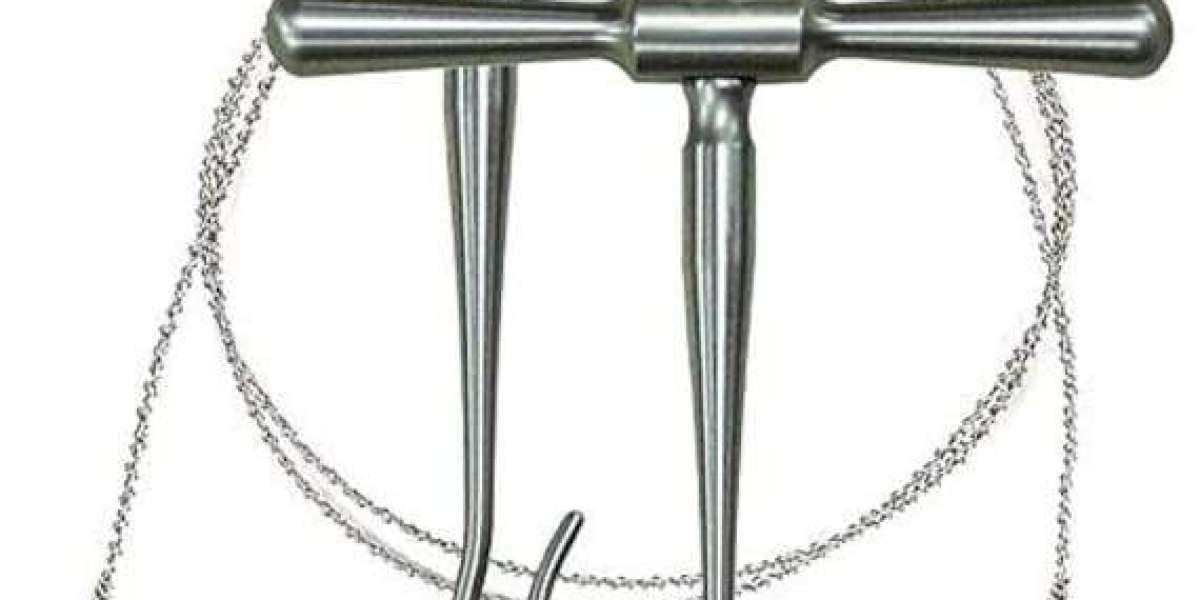

Plastic surgery has become one of the most innovative and life-changing fields in modern medicine. From reconstructive procedures that restore form and function to cosmetic surgeries that enhance beauty, none of it would be possible without the precision and reliability of plastic surgery tools. These instruments are designed to assist surgeons in achieving remarkable results with accuracy and care.
In this comprehensive guide, we’ll explore everything you need to know about plastic surgery tools—their types, functions, materials, sterilization, and the technological advancements shaping their future.
1. Introduction to Plastic Surgery Tools
Definition and Importance
Plastic surgery tools are specialized medical instruments designed for both reconstructive and aesthetic surgical procedures. These tools enable surgeons to perform precise incisions, manipulate delicate tissues, and ensure accurate suturing. Without them, achieving natural and lasting results would be nearly impossible.
2. Categories of Plastic Surgery Instruments
Plastic surgery tools are grouped based on their function in the operating room.
Cutting and Dissecting Tools
These include scalpels, scissors, and knives used to make incisions or separate tissues with precision.
Grasping and Holding Instruments
Forceps and clamps help surgeons hold delicate tissues or secure sutures without causing unnecessary trauma.
Retracting and Exposing Tools
Retractors are used to hold back skin or tissue, giving surgeons a clear view of the operative area.
Suturing and Stapling Instruments
These tools help close wounds or incisions neatly, promoting faster healing and minimal scarring.
3. Essential Plastic Surgery Tools
Scalpels and Blades
Scalpels are among the most vital tools in any surgery. They come in various blade shapes and sizes, allowing for precise incisions. Common types include No. 10, No. 11, and No. 15 blades.
Forceps
Forceps are used to hold and manipulate tissues. Adson and DeBakey forceps are popular in plastic surgery due to their fine tips and secure grip.
Scissors
Scissors like Metzenbaum or Iris are designed for cutting soft tissues or sutures. Their sharp edges provide clean cuts, reducing tissue damage.
Retractors
Retractors such as skin hooks or Weitlaner retractors help expose the surgical field by holding tissues aside.
Needle Holders
These instruments secure surgical needles during suturing, ensuring accuracy and stability.
Cannulas
Cannulas are thin tubes used for injecting or aspirating fluids. In liposuction, different-sized cannulas help remove fat efficiently.
Liposuction Devices
Modern liposuction machines combine suction with vibration or ultrasound for smoother fat removal and less trauma.
4. Advanced Tools in Cosmetic Surgery
Laser Equipment
Lasers are used for resurfacing skin, removing scars, and performing precise incisions with minimal bleeding. CO₂ and Er:YAG lasers are among the most popular.
Ultrasonic and Radiofrequency Devices
These tools help tighten skin, contour the body, and stimulate collagen production without invasive surgery.
Endoscopic Tools
Endoscopic instruments enable surgeons to perform procedures through tiny incisions, reducing scarring and recovery time.
5. Reconstructive Surgery Instruments
Bone and Tissue Manipulation Tools
In reconstructive surgeries, instruments like bone cutters, rasps, and elevators are used to reshape bones and reposition tissues.
Skin Grafting Instruments
Dermatomes and skin graft knives are essential for harvesting and applying skin grafts in burn or trauma patients.
6. Micro and Precision Instruments
Micro Scissors and Forceps
Used for delicate facial or hand surgeries, these instruments provide high control for operating on fine tissues and nerves.
Microsurgical Sutures
Microsutures, thinner than a strand of hair, allow for nearly invisible stitches, especially in facial procedures.
7. Material Composition of Plastic Surgery Tools
Stainless Steel
Most surgical instruments are made of stainless steel due to its durability, corrosion resistance, and easy sterilization.
Titanium
Titanium instruments are lightweight, strong, and non-magnetic, making them ideal for microsurgery.
Disposable vs. Reusable Instruments
While reusable tools are more cost-effective long-term, disposable instruments offer better sterility and convenience in certain cases.
8. Sterilization and Maintenance
Methods of Sterilization
Autoclaving, chemical sterilization, and UV disinfection are common methods used to eliminate microorganisms from surgical tools.
Proper Handling and Storage
Instruments must be cleaned, lubricated, and stored properly to maintain functionality and prevent corrosion.
9. The Role of Technology in Modern Surgical Tools
Robotics and AI Integration
Robotic-assisted plastic surgeries are gaining popularity due to their precision and minimal invasiveness. AI systems also help guide surgeons during complex operations.
3D Printing for Customized Instruments
3D printing allows the creation of customized surgical tools and implants tailored to each patient’s anatomy, improving outcomes.
10. Safety and Quality Standards
FDA and ISO Regulations
Plastic surgery instruments must comply with global standards like ISO 13485 and FDA regulations to ensure safety and performance.
Quality Assurance Practices
Every tool undergoes stringent quality checks, including functionality testing and sterilization validation.
11. Benefits of High-Quality Surgical Tools
High-quality tools lead to better results, fewer complications, and faster recovery times. They also minimize tissue trauma and scarring, which are critical in cosmetic procedures.
12. Challenges Faced in Plastic Surgery Instrumentation
The biggest challenges include the high cost of advanced tools, maintaining sterilization, and managing the short lifespan of disposable instruments.
13. Top Manufacturers of Plastic Surgery Tools
Some of the leading manufacturers include B. Braun, Zimmer Biomet, KLS Martin, and Aesculap, known for producing reliable, precision-engineered surgical instruments.
14. Future Trends in Plastic Surgery Tools
Smart Surgical Instruments
The future will see smart instruments equipped with sensors that provide real-time feedback on tissue pressure and temperature.
Nanotechnology Applications
Nano-coatings on surgical tools will improve resistance to bacteria and enhance precision during microsurgeries.
15. Conclusion
Plastic surgery tools are the backbone of successful surgical outcomes. Their precision, design, and functionality directly impact patient safety and satisfaction. As technology continues to evolve, the future of plastic surgery looks more advanced, efficient, and patient-friendly than ever before.
FAQs
1. What are the most common tools used in plastic surgery?
Scalpels, forceps, retractors, and scissors are among the most frequently used instruments in both cosmetic and reconstructive surgeries.
2. How are plastic surgery tools sterilized?
Most instruments are sterilized using autoclaves, which use steam under pressure, or through chemical disinfectants and UV systems.
3. What materials are best for surgical instruments?
Stainless steel and titanium are the most popular materials due to their durability, strength, and resistance to corrosion.
4. Are laser tools safe for plastic surgery?
Yes, when handled by trained professionals, lasers are extremely precise and safe for procedures like skin resurfacing and scar removal.
5. What does the future hold for plastic surgery instruments?
The future will bring more robotic-assisted surgeries, smart instruments, and 3D-printed tools customized to each patient’s anatomy.