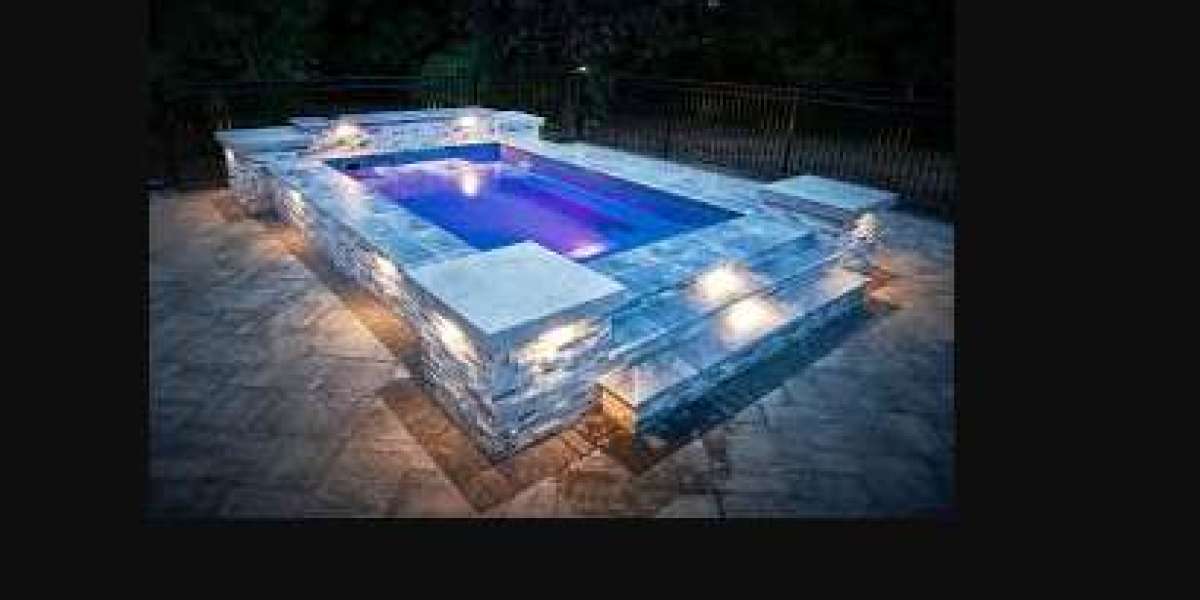

Replacing a light niche in a fiberglass pool may sound like a daunting task, but with the right guidance and careful planning, it can be a straightforward process. Fiberglass pools are renowned for their durability and smooth finishes, but their integrated lighting systems require specialized care. In this complete guide, we will walk you through everything you need to know about replacing a Fiberglass Pool Light, from understanding the components to executing the replacement safely and effectively.
Understanding Fiberglass Pool Lights and Niches
Before diving into the replacement process, it’s essential to understand what a light niche is and how it functions in a fiberglass pool. A fiberglass pool light is housed in a niche—a sealed compartment embedded in the pool wall. The niche ensures the light fixture is waterproof and allows for easy maintenance or replacement without damaging the pool’s structure.
Typically, a light niche consists of:
The Fixture Housing: A watertight enclosure that holds the bulb and electrical connections.
Gasket and Seal: Ensures the niche remains waterproof, preventing leaks.
Mounting Brackets: Secure the light in place within the fiberglass wall.
Electrical Wiring: Supplies power from the pool's control system to the light.
Over time, light niches can degrade due to water intrusion, corrosion, or simply the aging of electrical components. Replacing the niche becomes necessary when you notice flickering lights, water in the fixture, or visible cracks in the housing.
Signs You Need to Replace a Fiberglass Pool Light
Recognizing the signs that your pool light or niche needs replacement is crucial to prevent bigger problems. Some common indicators include:
Flickering or Inconsistent Lighting: If your light flickers or turns off intermittently, it could indicate a failing bulb, a damaged niche, or a compromised seal.
Water in the Fixture: Water entry inside the light is a clear sign that the niche's seal has failed. Moisture can damage the electrical components and pose a safety hazard.
Corrosion or Rust: Metal components of the niche can corrode over time, weakening the housing and mounting brackets.
Discoloration or Cracks in the Niche: Physical damage to the niche can lead to leaks and compromise the pool’s finish.
Electrical Issues: Tripped breakers or unusual electrical behavior may indicate wiring problems inside the niche.
Addressing these signs promptly will save you from more extensive and costly pool repairs.
Tools and Materials Needed
Before starting the replacement process, gather the necessary tools and materials to ensure a smooth workflow. You will need:
Replacement fiberglass pool light and niche
Screwdrivers (flathead and Phillips)
Adjustable wrench
Silicone lubricant or pool-safe sealant
Gaskets and O-rings (usually included with the replacement light)
Electrical tape and wire connectors
Voltage tester or multimeter
Soft cloth or sponge for cleaning
Bucket for draining water if necessary
Having everything prepared before you begin will reduce the risk of errors and ensure safety.
Safety Precautions
Working with pool lighting involves electricity and water, so safety is paramount. Follow these precautions:
Turn Off Power: Shut off the power at the circuit breaker that controls the pool lights to prevent electric shock.
Verify Power is Off: Use a voltage tester to ensure no electricity is flowing to the light.
Avoid Wet Surfaces: Keep the pool area dry as much as possible during the replacement.
Work with a Partner: Handling light niches and electrical components is safer with assistance.
Use Pool-Safe Materials: Always use sealants and lubricants that are safe for fiberglass pools.
Step-by-Step Process to Replace a Fiberglass Pool Light Niche
Step 1: Drain the Pool (If Necessary)
In most cases, small fiberglass pools may allow you to replace the light niche without draining, but for larger pools, draining below the light level may be required. Ensure water levels are managed carefully to avoid pressure damage to the pool walls.
Step 2: Remove the Existing Light Fixture
Remove the screws or bolts holding the light fixture to the niche.
Carefully pull out the fixture from the niche. Be mindful of any water that may spill from the housing.
Disconnect the electrical wiring using a voltage tester to confirm power is off. Label wires if necessary for easy reconnection.
Step 3: Inspect the Existing Niche
Check the niche for signs of wear or damage, including:
Cracks in the housing
Corroded metal brackets
Compromised gaskets or seals
If the niche is damaged, it must be replaced entirely. Otherwise, replacing just the light fixture may suffice.
Step 4: Remove the Old Niche (If Needed)
Loosen and remove any mounting hardware securing the niche in the pool wall.
Carefully extract the niche, taking care not to damage the fiberglass shell.
Clean the area thoroughly, removing any debris, old sealant, or corrosion. A clean surface ensures a proper seal for the new niche.
Step 5: Install the New Niche
Apply a thin layer of pool-safe silicone lubricant to the new gasket or O-ring.
Position the new niche in the pool wall and secure it with the provided mounting brackets or screws.
Ensure the niche is level and properly seated to prevent leaks.
Step 6: Reconnect Electrical Wiring
Connect the wires from the new fiberglass pool light to the existing pool wiring, following the labeled connections.
Use wire connectors and electrical tape to secure connections and prevent moisture intrusion.
Double-check all connections with a multimeter or voltage tester to ensure safety.
Step 7: Insert the Light Fixture
Carefully place the light fixture into the newly installed niche.
Tighten screws or bolts according to the manufacturer’s instructions.
Ensure the gasket or seal is compressed evenly for a watertight fit.
Step 8: Test the Light
Restore power to the pool light circuit.
Turn on the light to check for proper operation.
Inspect for leaks around the niche while the light is on.
Step 9: Fill the Pool (If Drained)
If you had to lower or drain the pool water, refill carefully and monitor the niche area for any signs of leakage over the next 24–48 hours.
Tips for Long-Term Maintenance
Maintaining your fiberglass pool light and niche can prolong its lifespan and prevent costly repairs:
Inspect pool lights at least once a season for moisture or corrosion.
Replace gaskets or O-rings periodically to maintain a proper seal.
Use pool-friendly cleaning solutions to avoid damaging the light or fiberglass surface.
Avoid excessive chemical fluctuations, which can accelerate corrosion.
Keep electrical circuits dedicated to pool lighting separate to reduce overload risks.
Common Mistakes to Avoid
Even experienced pool owners can make errors when replacing a light niche. Avoid these pitfalls:
Skipping Safety Checks: Never assume power is off—always test.
Using Non-Pool-Safe Sealants: Regular silicone or caulking can degrade in chlorinated water.
Over-Tightening Fixtures: This can crack fiberglass or deform the gasket.
Ignoring Old Wiring: Damaged or outdated wiring can cause electrical hazards.
Neglecting to Test for Leaks: Always check your work before refilling the pool fully.
Conclusion
Replacing a light niche in a fiberglass pool is a task that requires attention to detail, safety precautions, and the right materials. With this guide, pool owners can confidently replace their fiberglass pool light, ensuring the lighting system operates safely and efficiently for years to come. Whether you are troubleshooting flickering lights or upgrading an older fixture, understanding the niche system, following proper installation steps, and maintaining regular inspections will protect both your investment and your enjoyment of the pool.
By approaching the process methodically, anyone—even those with limited technical experience—can successfully replace a pool light niche while preserving the integrity of their fiberglass pool. The result is a bright, well-lit swimming environment, safe electrical connections, and a pool that continues to shine beautifully.


