
Executive Summary
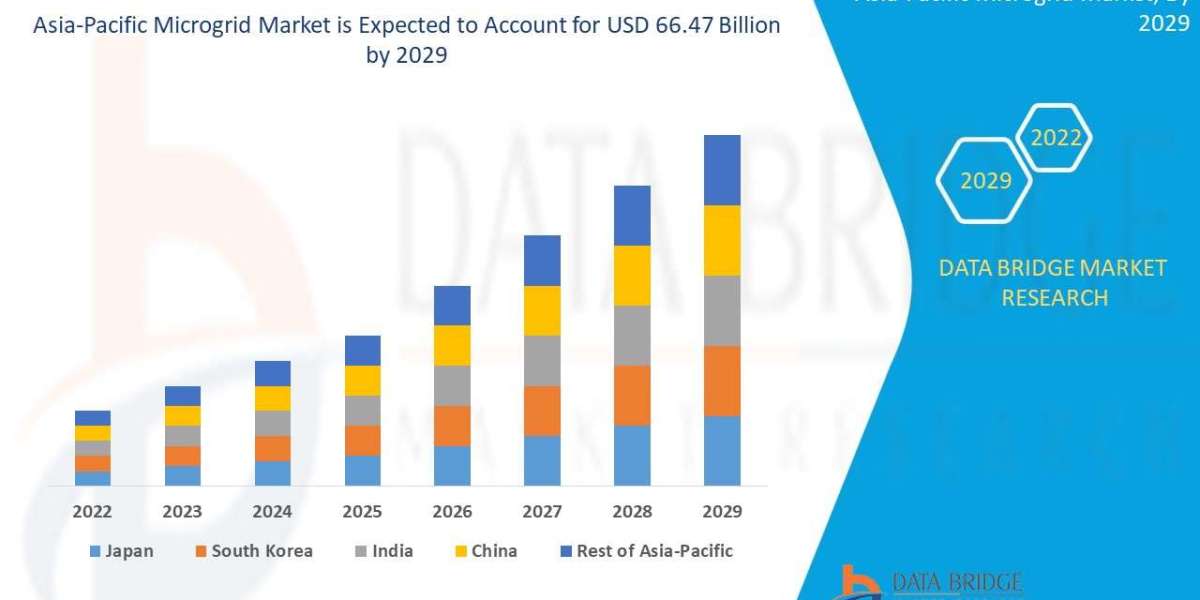
Asia-Pacific microgrid market size was valued at USD 2.16 billion in 2023 and is projected to reach USD 38.88 billion by 2031, with a CAGR of 43.5% during the forecast period of 2024 to 2031.
Market Overview
Defining the APAC Microgrid Market
A Microgrid is a localized group of interconnected loads and Distributed Energy Resources (DERs)—such as solar PV, wind, combined heat and power (CHP), and battery energy storage systems (BESS)—that acts as a single, controllable entity. It can operate while connected to the main utility grid, or independently in "island mode" during grid disruptions.
The APAC Microgrid Market encompasses the entire value chain of hardware (BESS, generators, controllers), software (Energy Management Systems - EMS), and services (EPC, O&M) deployed across the region.
Key Segments
The segmentation reflects the diverse needs of the APAC region:
| Segmentation Axis | APAC Dominant Segment (2024) | APAC Fastest-Growing Segment (CAGR) | Key Driver |
| Connectivity | Grid-Connected | Off-Grid/Islanded | Off-grid drives rural/remote electrification and energy access goals. |
| Component | Hardware (BESS & Generators) | Software & Services | Hardware is the CapEx driver; software/services enable optimization and MaaS models. |
| Power Source | Solar PV | Hybrid (Solar PV + BESS) | Declining solar costs and the need for 24/7 reliability. |
| End-Use | Commercial & Industrial (C&I) | Remote/Residential Communities | C&I minimizes downtime risk; Remote addresses the electrification gap. |
| Grid Type | AC Microgrid | DC Microgrid/Hybrid AC/DC | AC is the traditional standard; Hybrid/DC is key for high DER and BESS integration efficiency. |
Market Drivers and Current Dynamics
Demand for Energy Access and Electrification: Over 800 million people globally, a significant portion residing in South and Southeast Asia, still lack reliable access to electricity. Microgrids are the most cost-effective and fastest way to deploy power in remote or islanded communities, fueling massive off-grid deployment.
Vulnerability to Climate Events: The APAC region is highly susceptible to typhoons, floods, and earthquakes (e.g., Japan, Philippines, Indonesia). These events frequently cause catastrophic grid failures, making microgrids essential for critical infrastructure (hospitals, military, data centers) to maintain continuous operation.
National Decarbonization Targets: Countries like China, Japan, and South Korea have aggressive carbon neutrality goals. Microgrids facilitate the integration of high penetrations of intermittent renewable energy sources (Solar PV, Wind) into the grid without compromising stability.
Supportive Government Policies: Major economies have initiated clear policies, subsidies, and financing schemes to support decentralized energy. Examples include India's focus on solar microgrids for rural areas and China's push for integrated energy systems in industrial parks.
Falling Technology Costs: The continued decline in the Levelized Cost of Electricity (LCOE) from Solar PV and the rapid reduction in Battery Energy Storage System (BESS) capital costs have dramatically improved the economic viability of microgrid projects compared to grid extension or diesel generation.
Market Size & Forecast
Asia-Pacific microgrid market size was valued at USD 2.16 billion in 2023 and is projected to reach USD 38.88 billion by 2031, with a CAGR of 43.5% during the forecast period of 2024 to 2031.
For More Information Visit https://www.databridgemarketresearch.com/reports/apac-microgrid-market
Key Trends & Innovations
1. The Proliferation of Microgrid-as-a-Service (MaaS)
High upfront capital expenditure (CapEx) is a major barrier, particularly for C&I and remote users. The Microgrid-as-a-Service (MaaS) model addresses this by offering a zero-CapEx solution where the service provider designs, builds, owns, operates, and maintains the microgrid, charging the customer a fixed monthly fee or a competitive rate per kWh. APAC is a leading adopter of MaaS, driven by large industrial complexes and remote utility projects.
2. AI and Digital Twin Optimization
The operational complexity of managing diverse DERs is a challenge. Innovation is centered on Advanced Control and Energy Management Systems (EMS):
AI/ML Integration: Using Artificial Intelligence (AI) for sophisticated load forecasting, predictive maintenance, and optimizing charge/discharge cycles of BESS to minimize energy costs (peak shaving, time-of-use tariff arbitrage).
Digital Twins: Creating virtual replicas of microgrids to simulate performance under various weather or load scenarios, improving design accuracy and operational efficiency.
3. Modular and Containerized Solutions ("Energy in a Box")
For fast deployment in remote areas, disaster relief, or temporary industrial sites, modular, containerized microgrids are an increasing trend. These "plug-and-play" units, typically integrating solar panels, BESS, and smart controllers in an ISO shipping container, simplify logistics and dramatically cut installation time.
4. Integration of Vehicle-to-Grid (V2G)
With countries like China, Japan, and South Korea leading the EV adoption curve, the concept of integrating Electric Vehicle (EV) fleets as a flexible, aggregated energy storage source within a microgrid is a major future trend, creating a Virtual Power Plant (VPP) function for campus or city microgrids.
Competitive Landscape
The APAC Microgrid Market features intense competition between global industrial giants, specialized energy storage firms, and emerging local players in EPC and software.
Major Players and Strategic Strategies
| Company Category | Key Players (Examples) | Strategic Focus in APAC | Competitive Edge |
| Global Industrial Giants | Siemens AG, Schneider Electric, General Electric (GE) | Offering complete, integrated, highly reliable hardware/software solutions, focusing on C&I and Utility segments. | Brand reputation, financial stability, and established utility relationships. |
| Local Conglomerates/Utilities | Hitachi Energy, Toshiba, Tata Power (India), China State Grid | Leveraging local distribution channels, strong government ties, and EPC capabilities. | Deep regional knowledge, regulatory navigation, and cost-effective local manufacturing. |
| BESS/Renewable Specialists | Tesla, LG Energy Solution, Sungrow | Providing the core energy storage component (BESS) and inverter technology, often through partnerships. | Technological lead in battery density/life and inverter efficiency. |
| MaaS & Software Providers | PowerSecure, specialized regional startups | Offering flexible financial models (MaaS) and proprietary EMS software. | Low CapEx for customers, high performance optimization, and recurring revenue models. |
Competitive Dynamics
Partnership over Pure Competition: Due to the complexity of microgrids (requiring hardware, software, and EPC services), strategic alliances between hardware manufacturers and local EPC/MaaS providers are the dominant strategy.
Decentralization of Manufacturing: Companies are localizing BESS and PV component manufacturing in China, India, and Southeast Asia to lower logistics costs and improve cost-competitiveness in price-sensitive markets.
Focus on Cybersecurity: As microgrids rely on sophisticated digital control, providers are competing on the robustness of their cybersecurity measures to protect critical assets from cyberattacks, a growing concern in the region.
Regional Insights
The APAC market's diversity means a differentiated approach is essential:
China (Market Dominance): Largest single market, driven by industrial and utility-led projects. Focus is on massive renewable integration, smart industrial parks, and DC microgrids. Strong government mandates and local manufacturing dominance drive high volume.
India (Highest Potential Volume): Core driver is rural electrification and energy access. Characterized by numerous small-scale, solar-based, off-grid microgrids (community and residential). Growth is heavily supported by government subsidies and international funding.
Japan & South Korea (High Value, Resilience Focus): Mature markets focused on resilience for critical infrastructure, defense, and large campus/urban microgrids. High demand for sophisticated EMS software and BESS with extremely high reliability standards due to disaster risk.
Southeast Asia (Emerging Islands and Remote Growth): Countries like Indonesia, the Philippines, and Vietnam have thousands of islands and vast un-electrified areas. This region is the primary driver for off-grid, modular, and hybrid microgrids designed for islanded operation and challenging logistics.
Challenges & Risks
1. Upfront Capital Cost and Project Financing
Despite the MaaS model, the high initial investment required for generation, BESS, and control systems remains the biggest hurdle, especially in emerging markets where access to commercial capital is limited or interest rates are high.
2. Complex Regulatory and Interconnection Standards
The lack of consistent, clear regulatory frameworks for microgrid ownership, operation (especially selling surplus power back to the grid), and interconnection standards across various APAC nations creates a fragmented and high-risk environment for developers.
3. System Integration and Data Standardization
Microgrids combine disparate technologies (Solar, Wind, Diesel, BESS) from multiple vendors, requiring complex integration and custom software development. A lack of standardized data protocols between these components complicates O&M and limits the seamless adoption of advanced AI/EMS software.
4. Cybersecurity Vulnerabilities
The shift to smart, digitally controlled microgrids, especially those connected to the main grid, increases the attack surface, posing a significant cybersecurity risk to both the microgrid assets and the stability of the main utility grid.
Opportunities & Strategic Recommendations
Opportunities
Mining and Extractive Industries: Remote mining and oil & gas operations across APAC (e.g., Australia, Indonesia) are highly reliant on expensive, high-carbon diesel power. Microgrids, especially hybrid solar-BESS systems, offer substantial cost savings and decarbonization pathways, presenting a lucrative industrial opportunity.
5G/Telecom Towers: Telecom towers in remote areas require reliable, continuous power. Microgrids provide a cleaner, cheaper, and more resilient alternative to diesel generators, aligning with the industry's sustainability goals.
Community-Owned Utility Models: In parts of South and Southeast Asia, community-owned or Public-Private Partnership (PPP) models for microgrids are proving successful, allowing developers to scale projects by securing land access and social buy-in.
Strategic Recommendations
| Stakeholder Group | Strategic Recommendation | Rationale |
| Manufacturers/Integrators | Prioritize MaaS and Financial Innovation. | Reduce customer CapEx barriers by leveraging MaaS, third-party financing, and Power Purchase Agreements (PPAs) tailored to regional risk profiles. |
| Software Developers | Invest in Standardized Interoperability. | Develop EMS platforms that are hardware-agnostic and use standardized protocols (e.g., IEC 61850) to simplify integration, reduce deployment time, and allow for easier hardware upgrades. |
| Investors & VCs | Target Vertically Integrated EPC/MaaS Providers. | Fund companies that control the entire workflow—from design to O&M—and have a strong pipeline in the high-growth C&I and remote/islanded segments of Southeast Asia. |
| Government/Regulators | Implement Clear and Streamlined Interconnection Rules. | Establish simplified, expedited regulatory approval processes and standardized technical requirements for microgrid connection to the main grid to encourage private investment. |
Browse More Reports:
Middle East and Africa Microgrid Market
Global Febuxostat Market
Global Carbon Steel Market
Global Consumer Chemical Packaging Market
Global Plasmonic Solar Cell Market
Global Electro-medical and Electrotherapeutic Apparatus Market
Global Network Test Lab Automation Market
Global Reclaimed Rubber Market
Global Personal Care Ingredients Market
Global Protein Ingredients in Infant Nutrition Market
Middle East and Africa Frozen Ready Meals Market
Global Surgical Gown Market
Global Navigation Satellite System (NSS) Chip Market
Saudi Arabia q-PCR Reagents Market
Global Aluminum Pigments Market
Global Bearing Isolators Market
Asia-Pacific Ostomy Devices Market
North America Digital Farming Software Market
Global Reconstituted Juice Market
Global Organic Emulsifier Market
Global Metal Cans Market
Asia-Pacific Healthcare Logistics Market
Global Protein Ingredients Market
Global Regulatory Affairs Outsourcing Market
Global Self-Service Kiosks Market
Global Specialty Gas Market
Global Bathroom - Toilet Assist Devices Market
Global Benzenecarboxylic Acid Market
Global Aerospace Fasteners Market
Global Phenol Derivatives Market
Global Mucosal Atomization Devices Market
About Data Bridge Market Research:
An absolute way to forecast what the future holds is to comprehend the trend today!
Data Bridge Market Research set forth itself as an unconventional and neoteric market research and consulting firm with an unparalleled level of resilience and integrated approaches. We are determined to unearth the best market opportunities and foster efficient information for your business to thrive in the market. Data Bridge endeavors to provide appropriate solutions to the complex business challenges and initiates an effortless decision-making process. Data Bridge is an aftermath of sheer wisdom and experience which was formulated and framed in the year 2015 in Pune.
Contact Us:
Data Bridge Market Research
US: +1 614 591 3140
UK: +44 845 154 9652
APAC : +653 1251 975
Email:- corporatesales@databridgemarketresearch.com