Introduction
Islamic schools play a vital role in nurturing young minds, guiding them not only academically but also spiritually and morally. In a world where children are constantly exposed to diverse influences, many parents seek an educational environment that aligns with their values, beliefs, and cultural identity. Islamic schools provide this balance by combining high-quality education with strong Islamic principles, helping students grow into confident, responsible, and compassionate individuals.
These schools focus on holistic development, ensuring that children receive a well-rounded education that prepares them for success in both worldly and spiritual aspects of life. From Qur’an recitation and Islamic studies to science, maths, literature, and technology, Islamic schools offer a curriculum that blends tradition with modernity in a meaningful way.
The Role of Islamic Schools in Character Building
One of the greatest strengths of Islamic schools is their emphasis on character development. Students learn values such as honesty, kindness, respect, humility, and discipline—qualities deeply rooted in Islamic teachings. These values help shape a strong moral compass, guiding students in their interactions with others and in making positive contributions to society.
Teachers serve as role models, encouraging students to embody good manners (akhlaq) and strong ethics in their daily lives. Through regular assemblies, Islamic reminders, and community activities, students develop a deeper understanding of their faith and how it influences their responsibilities.
Academic Excellence with a Faith-Centred Approach
Islamic schools are committed to delivering high academic standards. Many integrate the national curriculum with Islamic principles, ensuring students excel in core subjects such as mathematics, science, English, and humanities.
The structured environment, smaller class sizes, and personalised learning approaches often lead to improved academic outcomes. Furthermore, blending modern education with Islamic teachings helps students appreciate the relevance of their faith in contemporary fields such as medicine, engineering, business, science, and the arts.
Cultivating a Strong Sense of Identity
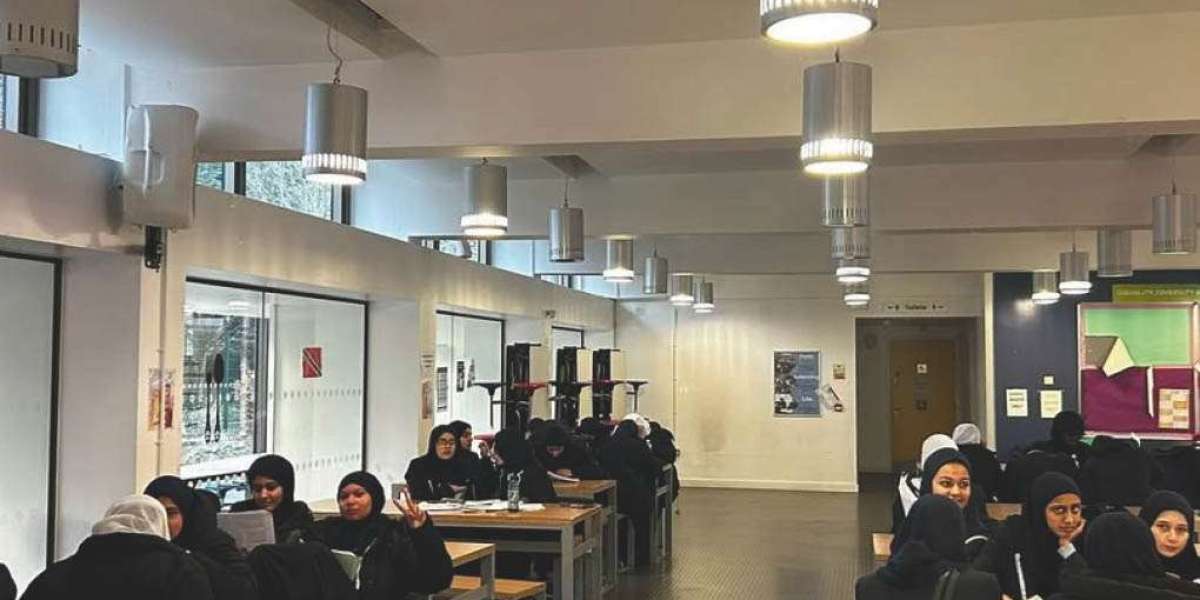
In multicultural societies, Islamic schools play an essential role in strengthening Muslim identity. Students feel a sense of belonging in a safe and supportive environment where Islamic values are celebrated. This helps boost confidence and self-esteem, allowing children to embrace their identity with pride.
Islamic schools also encourage inclusivity, teaching students to respect diversity and engage positively with people from all backgrounds. This ensures young Muslims grow into balanced, socially aware citizens.
Extracurricular Enrichment and Community Spirit
Beyond academics, Islamic schools offer a wide range of extracurricular programmes such as sports, arts, nasheed groups, debate clubs, Qur’an competitions, and community service initiatives. These activities help students develop leadership skills, teamwork, creativity, and confidence.
Additionally, partnership with families and local communities strengthens the sense of unity. School events, charity drives, Islamic celebrations, and parent-teacher activities foster strong bonds and meaningful engagement.
Conclusion
Islamic schools play a crucial role in shaping the next generation of Muslims. By providing high-quality education rooted in Islamic values, they create a nurturing environment where students grow academically, spiritually, and emotionally. These schools empower children to develop strong character, embrace their identity, and become positive contributors to society.
As the demand for faith-based education continues to grow, Islamic schools remain essential institutions that support families in raising children who are confident, knowledgeable, and guided by strong moral principles. Their impact extends beyond the classroom, cultivating leaders who carry their faith proudly into every aspect of their lives.