
In the global rice milling industry, the demand for high-performance components is constantly increasing. One essential part that directly impacts the husking quality and production efficiency is the rice rubber roll. These rollers are responsible for de-husking paddy grains with minimum breakage, making them a key element of every rice mill. Behind the success of these rollers stand the Rice Rubber Roll Manufacturers, who combine technology, rubber chemistry, and precision engineering to deliver products that help mills achieve maximum output.
This blog explores the role of rice rubber roll manufacturers, their manufacturing process, the qualities that make a good manufacturer, and how mills can choose the best supplier.
What Are Rice Rubber Rolls?
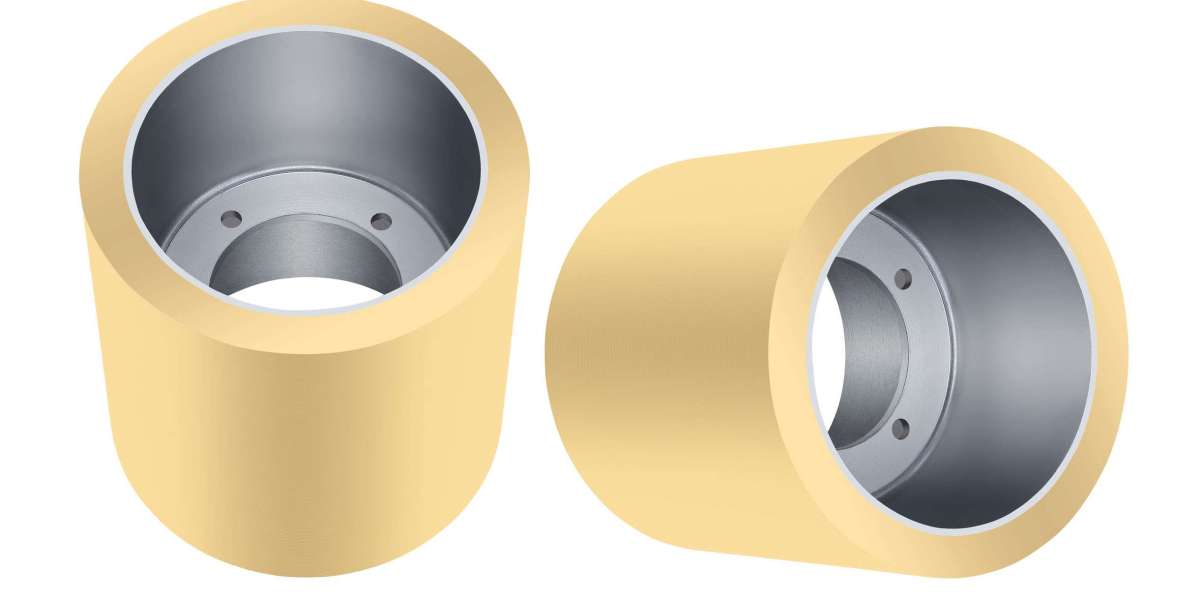
Rice rubber rolls are cylindrical rubber-coated rollers used in rice huskers to remove husk from paddy. They work in pairs, rotating at different speeds to apply controlled pressure on the grain. High-quality rollers reduce breakage, improve husking percentage, and ensure uniform milling results.
Because the performance of the husker depends largely on these rollers, choosing the right manufacturer becomes crucial for rice millers.
Role of Rice Rubber Roll Manufacturers in the Rice Milling Industry
Rice rubber roll manufacturers are not merely suppliers. They are technological partners who ensure that a rice mill achieves:
High husking efficiency
Lower grain breakage
Stable milling performance
Reduced operational costs
Longer roller life
To meet these needs, manufacturers continuously research rubber compounds, develop heat-resistant materials, and bring innovative designs.
Manufacturing Process Followed by Rice Rubber Roll Manufacturers
Producing a high-quality rice rubber roll is a technical process that involves several steps. Leading manufacturers follow strict guidelines to ensure durability and performance.
1. Raw Material Selection
Manufacturers choose high-grade rubber polymers, fillers, anti-aging chemicals, bonding agents, and strengthening materials. The quality of raw material directly impacts:
Roller hardness
Wear resistance
Heat tolerance
Life span
2. Compounding
The selected materials are mixed in precise ratios using advanced mixing mills. The compound must be uniform to ensure consistent hardness and elasticity.
3. Moulding & Shaping
The rubber compound is placed inside moulds to give the roller its shape. Accurate moulding ensures:
Correct outer diameter
Proper bonding with metal drum
Smooth finish
4. Vulcanization
This is the most important step. Vulcanization involves heating the moulded roller under high pressure. It improves:
Strength
Elasticity
Heat resistance
Overall durability
5. Precision Grinding
After vulcanization, the roller is ground to achieve the perfect balance and surface finish. This helps in uniform husking.
6. Quality Testing
Manufacturers conduct various tests such as:
Hardness test
Tensile strength
Wear resistance
Dimension accuracy
Shore hardness
Performance test
Only the rollers that clear all tests are approved for dispatch.
Types of Rice Rubber Rolls Offered by Manufacturers
To meet diverse milling requirements, manufacturers produce different types of rice rubber rolls:
1. NBR Rice Rubber Rolls
Made of Nitrile Butadiene Rubber.
Benefits:
Long lifespan
High heat resistance
Low breakage
2. PU (Polyurethane) Rubber Rolls
Known for extremely high wear resistance—ideal for heavy-duty milling.
3. High-Speed Rubber Rolls
Designed for advanced, high-capacity husker machines.
4. Whitener & Polisher Rollers
Used in whitening and polishing stages of milling.
5. Customized Rubber Rollers
Manufacturers also provide customised sizes, colours, hardness levels, and compounds.
Why Quality Manufacturers Matter in Rice Milling
A professional, experienced manufacturer provides benefits that cheaper alternatives cannot match.
1. Longer Roller Life
Top manufacturers use advanced rubber compounds that significantly extend roller lifespan.
2. Higher Husking Output
Good rollers give 90%+ husking efficiency in a single pass.
3. Minimal Rice Breakage
Quality rollers ensure smooth de-husking without damaging the grain.
4. Better Heat Resistance
High-grade rubber reduces overheating, maintaining stability even under heavy load.
5. Consistency in Production
Leading manufacturers maintain uniform quality in every batch.
How Rice Mills Can Choose the Best Rice Rubber Roll Manufacturer
Selecting the right manufacturer determines the long-term performance of your rice mill. Here are essential points to consider:
1. Experience & Reputation
Choose manufacturers who have years of experience and a proven track record in the rice milling industry.