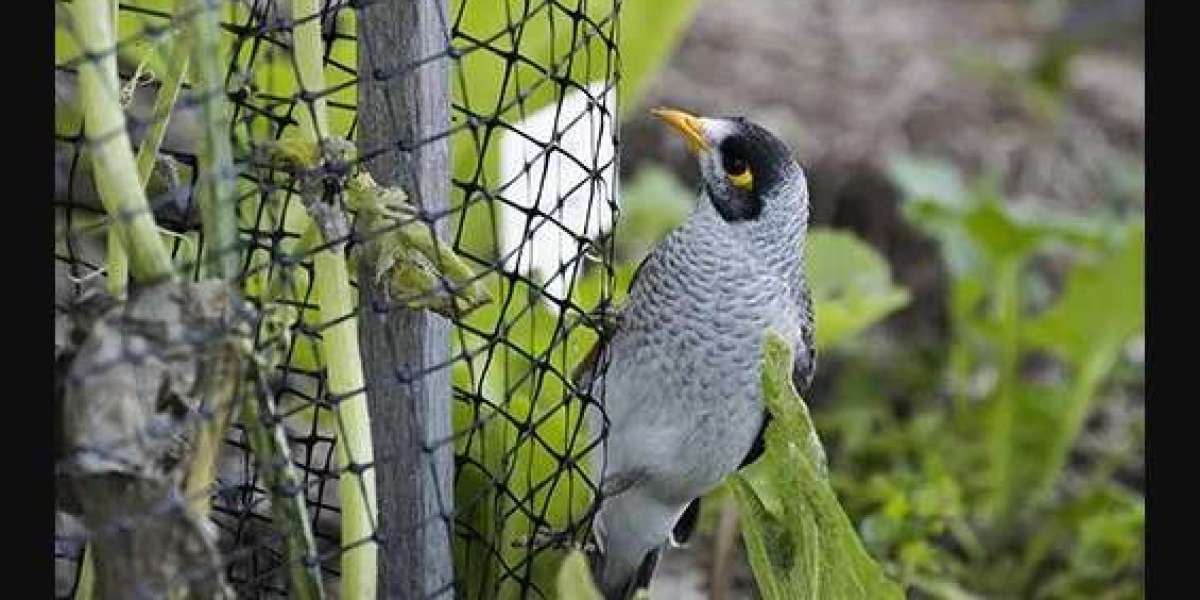

Gardening is a rewarding activity that brings beauty, fresh produce, and a sense of calm to everyday life. However, every gardener—whether beginner or experienced—eventually faces the same challenge: pests. From insects and birds to rabbits and deer, unwanted visitors can quickly destroy weeks or even months of hard work. This is where Fence Netting becomes an essential solution. Properly chosen and installed fence netting can protect plants, preserve yields, and maintain the overall health of your garden.
This article explores everything you need to know about fence netting for gardens, including its benefits, types, applications, installation tips, and maintenance. By understanding how fence netting works and how to use it effectively, you can create a safer, more productive gardening environment.
Understanding the Role of Fence Netting in Gardening
Fence netting is a physical barrier designed to keep pests out while allowing sunlight, air, and water to reach plants. Unlike chemical repellents or pesticides, fence netting provides a non-toxic, environmentally friendly method of pest control. It works on a simple principle: if pests cannot access your plants, they cannot damage them.
One of the biggest advantages of fence netting is its versatility. It can be used in vegetable gardens, flower beds, orchards, greenhouses, and even small backyard plots. Whether your goal is to protect tender seedlings or mature crops, fence netting offers reliable and long-term protection.
Common Garden Pests That Fence Netting Helps Control
Different gardens face different pest challenges depending on location, climate, and plant types. Fence netting is effective against a wide range of pests, including:
Insects such as caterpillars, beetles, and grasshoppers
Birds that feed on fruits, seeds, and young plants
Small mammals like rabbits, squirrels, and groundhogs
Larger animals such as deer or dogs
Domestic pets that may accidentally trample plants
By selecting the appropriate mesh size and material, fence netting can be tailored to address specific pest problems without harming wildlife.
Benefits of Using Fence Netting in Gardens
1. Non-Chemical Pest Control
Fence netting eliminates the need for pesticides, making it ideal for organic gardening. This protects beneficial insects, improves soil health, and ensures safer produce.
2. Improved Plant Health
When plants are protected from pests, they experience less stress and damage. This leads to stronger growth, better flowering, and higher yields.
3. Long-Term Cost Savings
Although fence netting requires an initial investment, it reduces recurring costs associated with pest control products and plant replacement.
4. Versatility and Adaptability
Fence netting can be used on raised beds, vertical gardens, trellises, and perimeter fencing. It adapts easily to gardens of all shapes and sizes.
5. Eco-Friendly Solution
Most fence netting materials are reusable and recyclable, making them an environmentally responsible choice.
Types of Fence Netting for Gardens
Choosing the right type of fence netting depends on your garden’s needs and the pests you want to deter. Below are the most common types used in gardening.
Plastic Fence Netting
Lightweight and affordable, plastic fence netting is ideal for protecting plants from birds and small animals. It is easy to cut, install, and reposition, making it suitable for seasonal gardens.
Metal Fence Netting
Metal options, such as wire or welded mesh, provide greater strength and durability. They are best for areas with persistent or larger pests like rabbits or deer. Metal fence netting can last for many years with proper care.
Nylon or Polypropylene Netting
These materials are flexible, weather-resistant, and gentle on plants. They are commonly used to cover fruit trees, bushes, or climbing plants.
Fine Mesh Netting
Fine mesh fence netting is designed to keep out insects while allowing airflow and sunlight. It is particularly useful for protecting leafy greens and young seedlings.
Choosing the Right Fence Netting for Your Garden
Selecting the correct fence netting involves considering several factors:
Pest size: Smaller pests require finer mesh, while larger animals need stronger netting.
Garden size: Large gardens may require durable perimeter fence netting, while small beds may only need localized coverage.
Plant type: Delicate plants benefit from soft netting, while sturdy crops can tolerate stronger materials.
Climate: UV-resistant and weatherproof fence netting lasts longer in harsh outdoor conditions.
Taking time to match your garden’s needs with the right fence netting ensures better protection and longevity.
How to Install Fence Netting Effectively
Proper installation is crucial for fence netting to work as intended. Poorly installed netting can allow pests to sneak through gaps or over the top.
Step 1: Prepare the Area
Clear weeds and debris around the garden bed or perimeter. Measure the area accurately to determine how much fence netting you need.
Step 2: Install Support Posts
Use wooden stakes, metal poles, or garden posts to support the fence netting. Space them evenly to prevent sagging.
Step 3: Attach the Fence Netting
Secure the netting tightly to the posts using ties, clips, or staples. Ensure there are no loose edges or openings.
Step 4: Secure the Bottom
Bury the bottom edge slightly or weigh it down with soil, stones, or garden pins. This prevents animals from digging underneath.
Step 5: Check Height and Coverage
Make sure the fence netting is tall enough to deter jumping pests and fully encloses the protected area.
Maintaining Fence Netting Over Time
Fence netting requires minimal maintenance, but regular checks help extend its lifespan and effectiveness.
Inspect for tears, holes, or loose sections
Repair damage promptly to prevent pest entry
Clean debris or plant matter caught in the netting
Store removable netting properly during off-seasons
With basic care, high-quality fence netting can last several growing seasons.
Fence Netting for Different Garden Types
Vegetable Gardens
Fence netting protects crops like lettuce, tomatoes, beans, and peppers from insects and animals. Fine mesh is especially useful during early growth stages.
Flower Gardens
Birds and animals can damage buds and blooms. Decorative fence netting blends protection with aesthetics.
Fruit Trees and Berry Bushes
Netting prevents birds from eating fruit before harvest while allowing sunlight and pollinators when needed.
Raised Beds and Urban Gardens
In small or urban spaces, fence netting provides targeted protection without taking up much room.
Common Mistakes to Avoid When Using Fence Netting
Choosing mesh that is too large for the pests you are targeting
Leaving gaps at the bottom or corners
Using netting that is too weak for larger animals
Failing to check and maintain the netting regularly
Avoiding these mistakes ensures that your fence netting delivers consistent results.
Fence Netting and Sustainable Gardening
Sustainability is a growing priority for modern gardeners. Fence netting supports sustainable gardening by reducing chemical use, protecting biodiversity, and promoting healthier ecosystems. When combined with companion planting and natural pest deterrents, fence netting becomes part of a holistic, eco-friendly garden strategy.
Conclusion: Why Fence Netting Is Essential for Garden Protection
Protecting your garden from pests is not just about preserving plants—it’s about safeguarding your time, effort, and passion. Fence Netting offers a practical, effective, and environmentally friendly solution that suits gardens of all sizes and styles. From keeping insects away from tender seedlings to deterring larger animals from devouring crops, fence netting provides reliable protection throughout the growing season.
By choosing the right type of fence netting, installing it properly, and maintaining it regularly, gardeners can enjoy healthier plants, higher yields, and greater peace of mind. In the long run, fence netting is not just a protective barrier—it is an investment in the success and sustainability of your garden.