
Accidents can happen anytime, anywhere — especially in the workplace. From minor cuts and burns to serious medical emergencies, the first few minutes after an incident are critical. Proper workplace first aid training equips employees with the knowledge and confidence to respond effectively, potentially saving lives and reducing the severity of injuries. In today’s fast-paced work environments, being prepared is not optional — it’s essential.
This article explores why workplace first aid matters, what effective training includes, and how organisations can create a safer, more resilient workforce.
Why Workplace First Aid Is So Important
Every workplace carries some level of risk. Construction sites, warehouses, offices, retail stores, and hospitality venues all present unique hazards. Even seemingly low-risk environments can experience sudden emergencies such as cardiac arrest, choking, or severe allergic reactions.
Workplace first aid training helps to:
Reduce the impact of injuries and illnesses
Provide immediate assistance before professional medical help arrives
Boost employee confidence in emergency situations
Improve overall workplace safety culture
Ensure compliance with occupational health and safety regulations
In many countries, employers are legally required to provide adequate first aid resources and trained personnel. Failing to meet these requirements can result in penalties, legal consequences, and reputational damage.
More importantly, investing in training shows employees that their wellbeing is a priority — fostering trust and loyalty within the organisation.
What Does Workplace First Aid Training Cover?
A comprehensive workplace first aid course covers both theoretical knowledge and practical skills. While course content may vary depending on industry requirements, most programs include the following key components:
1. CPR and Use of AED
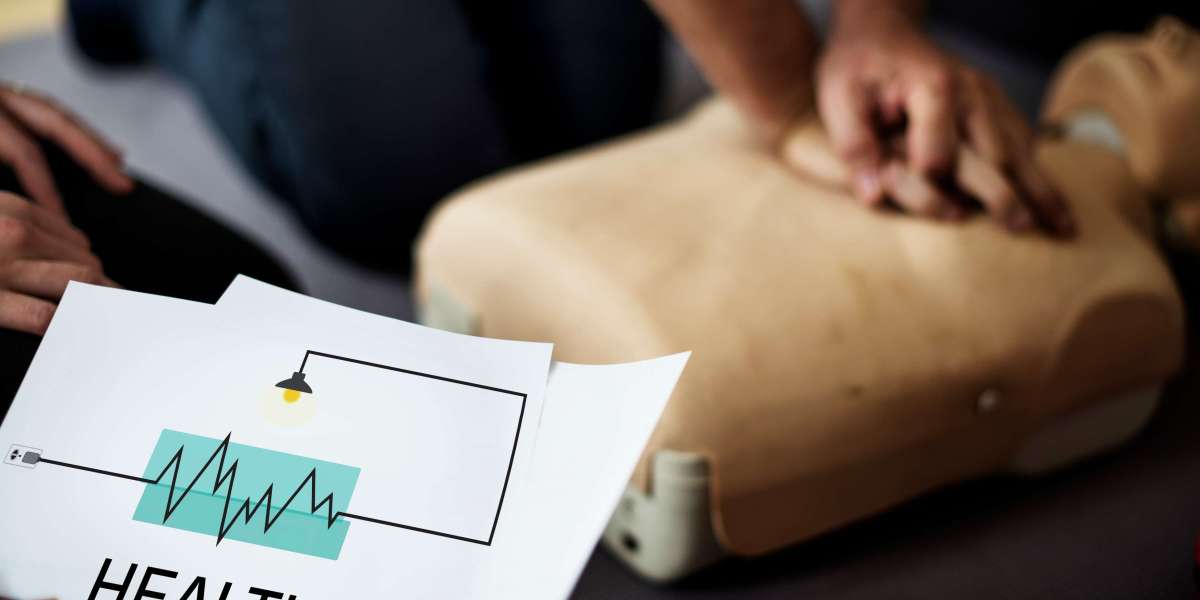
Cardiopulmonary resuscitation (CPR) is one of the most critical life-saving skills. Training teaches participants how to perform chest compressions, deliver rescue breaths, and use an automated external defibrillator (AED) correctly.
Early CPR and defibrillation significantly increase survival rates during cardiac emergencies.
2. Managing Common Injuries
Participants learn how to treat:
Cuts and bleeding
Burns and scalds
Fractures and sprains
Eye injuries
Head injuries
Prompt and correct treatment can prevent complications and speed up recovery.
3. Responding to Medical Emergencies
Training also covers how to recognise and manage:
Asthma attacks
Allergic reactions and anaphylaxis
Seizures
Diabetic emergencies
Stroke symptoms
Recognising warning signs early can make a life-saving difference.
4. Risk Assessment and Incident Response
Effective first aid goes beyond treatment. Employees are trained to assess hazards, ensure scene safety, and communicate clearly with emergency services.
Understanding how to remain calm and organised during high-pressure situations is just as important as knowing the technical steps.
Choosing the Best Workplace First Aid Training
Selecting the right course provider is crucial. The best Workplace First Aid programs combine nationally recognised certification with hands-on practice and experienced trainers.
When evaluating training providers, consider the following:
Accreditation and compliance with national standards
Experienced, qualified instructors
Flexible delivery options (on-site or at training centres)
Realistic, scenario-based learning
Ongoing support and refresher courses
Some reputable training organisations, such as Growth Training Group, offer tailored programs designed to meet specific workplace requirements. Choosing a provider that understands your industry ensures the training is relevant and practical.
Benefits for Employers and Employees
Workplace first aid training delivers value beyond compliance. It contributes to a proactive safety culture where employees feel empowered to act.
For Employers:
Reduced downtime and injury-related costs
Improved risk management
Stronger safety reputation
Enhanced team morale
Compliance with health and safety regulations
For Employees:
Increased confidence in handling emergencies
Transferable life skills
Greater awareness of workplace hazards
A sense of responsibility and teamwork
When employees know how to respond effectively, they feel more secure — and that confidence positively impacts productivity.
How Often Should First Aid Training Be Refreshed?
Skills can fade over time, particularly if they are not used regularly. Most certifications require renewal every one to three years, depending on local regulations.
Refresher courses are essential to:
Update knowledge based on new guidelines
Reinforce practical skills
Maintain compliance
Ensure readiness for real-world emergencies
Regular practice sessions and emergency drills can also help keep skills sharp between formal recertification periods.
Building a Safer Workplace Culture
Workplace first aid training should be part of a broader health and safety strategy. Employers can further strengthen safety culture by:
Conducting regular risk assessments
Maintaining accessible first aid kits
Installing clearly marked AED devices
Displaying emergency procedures prominently
Encouraging open reporting of hazards
Safety is most effective when it becomes a shared responsibility. Encouraging employees to participate in safety discussions and training initiatives creates a collaborative environment where risks are identified and addressed early.
The Long-Term Impact of First Aid Preparedness
The true value of workplace first aid often becomes clear only during a crisis. In those crucial moments, trained individuals can bridge the gap between incident and professional medical care.
Prepared teams respond faster. They communicate more effectively. They reduce panic. And most importantly, they improve outcomes.
Beyond the immediate benefits, workplace first aid training builds resilience. It strengthens organisational confidence and demonstrates a genuine commitment to employee welfare.
Conclusion
Workplace safety is not just about preventing accidents — it’s about being ready when they happen. Workplace first aid training equips employees with practical, life-saving skills that protect colleagues, customers, and visitors alike.
From CPR and injury management to emergency response coordination, comprehensive training ensures that businesses meet legal obligations while fostering a culture of care and responsibility.