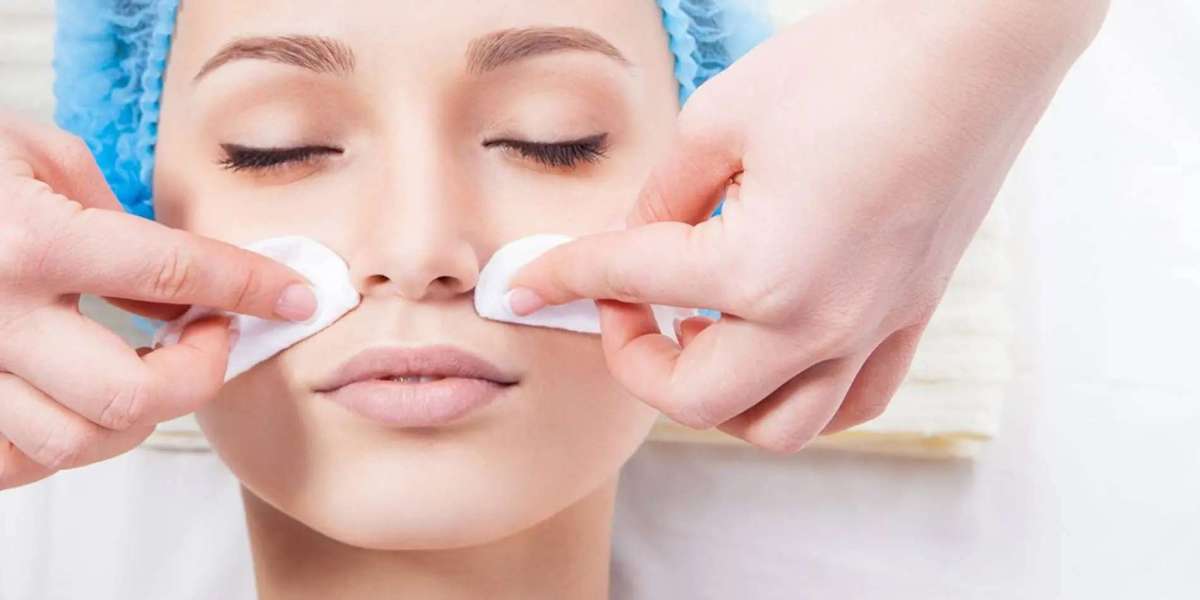

Improving skin texture is one of the primary reasons people turn to professional skincare treatments, and chemical peeling has become a widely recommended solution. This procedure involves the application of a chemical solution to exfoliate the outer layers of skin, promoting cell turnover and stimulating collagen production. The result is smoother, more even skin with reduced appearance of fine lines, rough patches, and minor scars. Understanding how chemical peels work, their benefits, and proper aftercare is essential for achieving safe and effective results.
How Chemical Peeling Improves Skin Texture:
Chemical peeling works by removing the damaged outermost layer of the skin, revealing fresher, smoother layers underneath. This controlled exfoliation not only improves surface texture but also stimulates the skin’s natural healing mechanisms:
Encourages new cell growth for a more even appearance
Boosts collagen and elastin production for firmer skin
Reduces the visibility of fine lines and minor scars
Enhances skin brightness and overall radiance
By promoting both exfoliation and regeneration, chemical peeling directly contributes to smoother, healthier skin.
Types of Chemical Peels and Their Effects:
There are different depths of chemical peels, each offering unique benefits for skin texture:
Superficial Peels: Use mild acids such as glycolic or lactic acid to gently exfoliate the surface, improving minor roughness and dullness
Medium Peels: Penetrate deeper with trichloroacetic acid (TCA) to treat moderate texture irregularities, fine lines, and uneven tone
Deep Peels: Utilize phenol or high-concentration TCA for significant resurfacing, addressing deep wrinkles, scars, and pronounced unevenness
Selecting the right peel depth is key to effectively improving skin texture while minimizing downtime.
Benefits of Chemical Peels for Skin Texture:
Chemical peeling offers multiple advantages that contribute to overall smoother skin:
Removes dead skin cells and promotes a fresher surface
Reduces rough patches, enlarged pores, and minor scars
Stimulates collagen for firmer, more resilient skin
Enhances absorption of other skincare products for ongoing benefits
Provides gradual, noticeable improvement over multiple sessions
Regular treatments tailored by a professional can significantly enhance skin texture and overall appearance.
Preparing Your Skin for a Peel:
Proper preparation enhances the effectiveness of chemical peeling and reduces the risk of irritation:
Avoid sun exposure or tanning in the weeks leading up to the procedure
Discontinue retinoids or harsh exfoliating products as recommended by a professional
Maintain a gentle cleansing and moisturizing routine
Inform your provider about any skin sensitivities or medications
Preparation ensures that the skin is in optimal condition to respond to the peel safely and effectively.
What to Expect During the Treatment:
During a chemical peel session, patients can expect a controlled and monitored process:
Skin is cleansed thoroughly to remove impurities and oils
Protective measures are applied to sensitive areas such as eyes and lips
The chemical solution is carefully applied to the skin and monitored for reaction
Neutralization occurs if needed, followed by soothing or hydrating products
Mild tingling, warmth, or stinging may occur temporarily, which is normal and indicates the peel is working.
Recovery and Aftercare:
Recovery varies depending on the peel type, but all treatments require careful aftercare to optimize results:
Superficial Peels: Minimal redness or flaking, recovery within 1–3 days
Medium Peels: Peeling and redness for several days, noticeable improvement within a week
Deep Peels: Significant peeling and redness for 2–3 weeks, requiring close attention to skincare
Use gentle moisturizers and sunscreen daily to protect the new skin
Avoid harsh scrubs or active ingredients until the skin has fully healed
Following aftercare instructions ensures long-lasting improvements in skin texture.
Frequency and Maintenance:
The frequency of chemical peeling depends on the peel depth and skin response:
Superficial peels: every 4–6 weeks for gradual improvement and maintenance
Medium peels: every 2–3 months for more noticeable texture enhancement
Deep peels: generally performed once due to intensity, with long-term results
Incorporate gentle skincare routines to maintain smooth, healthy skin
Consistent treatments help sustain improvements in skin texture over time.
Potential Risks and Considerations:
While chemical peeling is generally safe when performed by a professional, there are some risks to be aware of:
Temporary redness, stinging, or swelling
Flaking or peeling during recovery
Increased sensitivity to sunlight
Rare complications like hyperpigmentation or scarring
Pre-existing skin conditions may require a tailored approach
Professional assessment ensures that the procedure is suitable for your skin type and minimizes complications.
Combining Chemical Peels with Other Treatments:
Chemical peeling can be effectively combined with other skincare treatments to enhance texture improvement:
Microneedling: Boosts collagen production and complements peel effects
Laser Therapy: Targets deeper texture issues, pigmentation, and scars
Hydrating or Soothing Facials: Support recovery and enhance smoothness
Topical Skincare Products: Maintain and reinforce the benefits of the peel
Combination treatments should always be supervised by a licensed professional to ensure safety and effectiveness.
Final Thoughts
Chemical peeling is a highly effective method for improving skin texture by exfoliating damaged layers, stimulating collagen production, and promoting overall skin renewal. Choosing the right peel type, preparing the skin adequately, following proper aftercare, and seeking professional guidance are essential steps to achieve safe and lasting results. When performed thoughtfully and maintained with consistent care, chemical peeling can reduce rough patches, fine lines, and minor scars, leaving the skin smoother, brighter, and healthier.