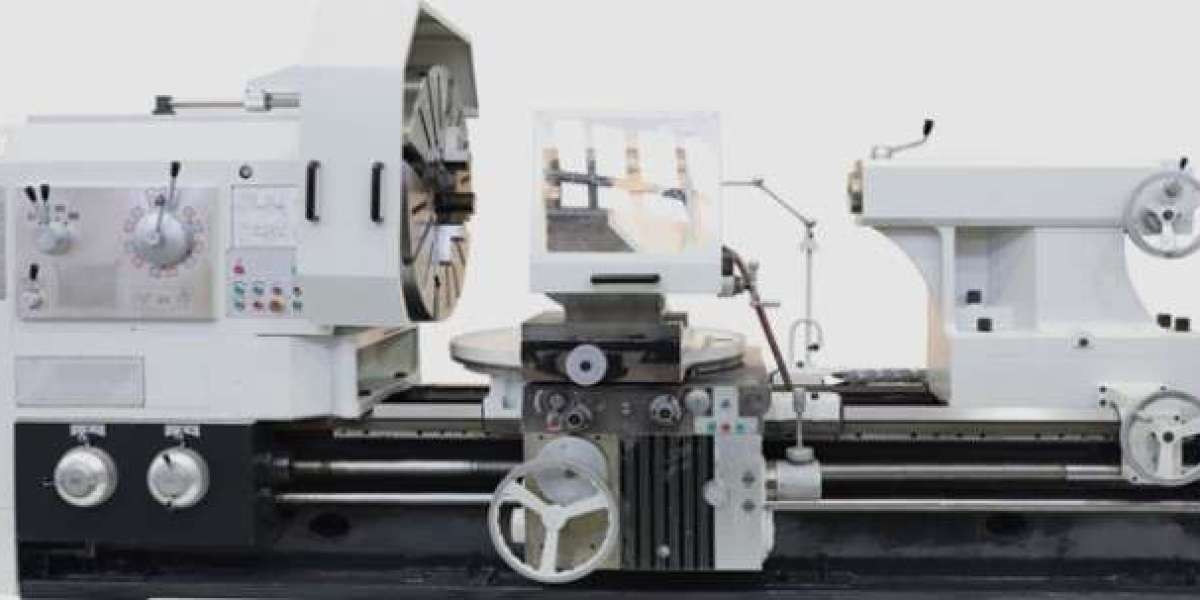

The landscape of precision manufacturing is undergoing a remarkable transformation. Among the innovations shaping this evolution, the integration of smart technologies with traditional machining processes stands out. In particular, the Spherical Lathe —a machine historically celebrated for its ability to produce complex spherical surfaces—has become a focal point for automation, AI integration, and intelligent process optimization. As industries demand higher efficiency, improved accuracy, and real-time adaptability, understanding the future trends surrounding Spherical Lathes and AI-driven machining becomes essential.
The Evolution of the Spherical Lathe
A Spherical Lathe is fundamentally different from conventional lathes. While traditional lathes excel at cylindrical turning, the spherical lathe is specifically designed to craft precise spherical surfaces, which are critical in industries such as optics, aerospace, and automotive engineering. Traditionally, achieving such precision required expert operators and meticulous manual control. However, the advent of smart technologies is revolutionizing these machines, allowing for automation without sacrificing precision.
Historically, the operation of a Spherical Lathe involved intricate calculations for tool paths, manual adjustments, and constant monitoring to prevent errors. Even minor deviations could lead to significant quality issues. Today, the integration of sensors, automated control systems, and artificial intelligence has transformed these machines into intelligent manufacturing units capable of self-optimization and predictive performance adjustments.
AI Integration in Machining
Artificial intelligence is no longer a futuristic concept—it is actively shaping the manufacturing sector. In the context of Spherical Lathes, AI brings multiple advantages:
Predictive Maintenance: Modern Spherical Lathes equipped with AI can analyze vibration, temperature, and cutting forces to predict when a component might fail, significantly reducing downtime.
Optimized Tool Paths: AI algorithms can calculate optimal cutting strategies in real-time, reducing waste and improving surface finish, which is particularly critical when producing high-precision spherical surfaces.
Adaptive Control Systems: AI-driven control systems can dynamically adjust machining parameters based on material variability or tool wear, maintaining consistent quality without constant human intervention.
Process Simulation and Digital Twins: By creating a virtual replica of the Spherical Lathe, manufacturers can simulate machining operations, predict potential errors, and test process optimizations before physical implementation.
These AI-driven capabilities allow manufacturers to not only improve efficiency but also push the boundaries of what is possible in precision machining.
Smart Manufacturing and Spherical Lathes
The rise of Industry 4.0 has placed connected, intelligent machines at the heart of modern factories. Smart Spherical Lathes are no exception. By embedding IoT sensors and connectivity modules, these machines can communicate with factory systems, track performance metrics, and even coordinate with other machines for complex multi-step operations. Some of the trends emerging in this context include:
Real-Time Quality Monitoring: Sensors embedded in the lathe monitor parameters such as surface roughness, tool wear, and dimensional accuracy, allowing instant corrections during the machining process.
Autonomous Decision-Making: Advanced algorithms can decide the best sequence of operations, prioritize maintenance, and even adjust feed rates autonomously to optimize production flow.
Integration with Supply Chains: Smart Spherical Lathes can receive updates on material availability, production schedules, and client specifications, enabling highly responsive and flexible manufacturing lines.
These trends illustrate how smart manufacturing is not just about automation but about creating an ecosystem where machines are proactive participants in production planning and quality assurance.
Materials and Precision Challenges
The industries utilizing Spherical Lathes—including aerospace, optics, and medical device manufacturing—demand exceptional precision. Producing components like optical lenses, turbine components, or surgical instruments requires tolerances measured in micrometers. This level of precision presents several challenges:
Material Hardness: Modern alloys and composites can be extremely difficult to machine. AI-assisted Spherical Lathes can adjust cutting parameters in real-time to handle variations in material hardness.
Thermal Expansion: High-speed machining generates heat, causing slight dimensional changes in both the tool and the workpiece. Smart systems can compensate for thermal effects to maintain accuracy.
Complex Geometry: Spherical surfaces, especially as part of compound curves, are geometrically complex. AI-driven path planning ensures smooth transitions and consistent quality across the entire surface.
Surface Finish Requirements: Optical-grade and high-performance mechanical components require mirror-like finishes. Machine learning algorithms help fine-tune feed rates and tool angles to achieve the desired finish without manual trial and error.
By addressing these challenges, the next generation of Spherical Lathes will expand the range of materials and applications manufacturers can confidently handle.
Future Innovations in AI-Driven Spherical Lathes
Looking forward, several technological advancements promise to further redefine the capabilities of Spherical Lathes:
Generative Design Integration: AI can suggest design modifications optimized for manufacturability, enabling engineers to create complex spherical components that were previously impossible to produce efficiently.
Augmented Reality (AR) Assistance: AR overlays could guide operators in real-time, providing visual cues for setup, alignment, and maintenance, reducing human error and training time.
Collaborative Robotics: Combining robotic handling systems with Spherical Lathes allows fully automated loading and unloading of workpieces, reducing labor costs and increasing throughput.
Quantum Computing for Optimization: Though still emerging, quantum computing could revolutionize path planning and simulation, enabling near-instant optimization of highly complex machining tasks.
Sustainability and Energy Efficiency: AI can optimize energy consumption during operations, reduce waste through precise material usage, and enhance recycling strategies for tool materials.
These innovations point toward a future where Spherical Lathes are not only tools for precision machining but also intelligent systems that drive efficiency, sustainability, and advanced manufacturing capabilities.
Industry Applications and Implications
The convergence of smart technology and AI in Spherical Lathes has profound implications across multiple industries:
Aerospace: Precision spherical components are essential for jet engines, navigation systems, and sensors. AI-driven lathes improve performance consistency and reduce costly production errors.
Medical Devices: Surgical instruments, implants, and diagnostic devices benefit from exact spherical machining, where even minor deviations can impact patient safety.
Optics: Lenses, mirrors, and laser components require impeccable surface finishes. AI optimization ensures these parts meet stringent optical tolerances.
Automotive: High-performance vehicles rely on spherical components in suspension systems, gear mechanisms, and steering assemblies. Smart lathes reduce production time while maintaining precision.
The adoption of AI-driven Spherical Lathes also transforms workforce dynamics. Operators evolve from manual machinists to process supervisors and data analysts, emphasizing skills in machine programming, AI oversight, and quality assurance.
Challenges and Considerations
While the future of smart Spherical Lathes is promising, several challenges must be addressed:
High Initial Investment: Advanced AI and smart sensor integration require significant upfront capital, which may be a barrier for smaller manufacturers.
Cybersecurity: Connected machines are vulnerable to cyber threats, necessitating robust security protocols to protect intellectual property and operational data.
Workforce Training: Skilled operators are needed to manage, interpret, and troubleshoot AI-driven systems. Training programs must evolve alongside technology.
Standardization: Industry-wide standards for AI-assisted machining, data exchange, and quality control are still developing, potentially complicating adoption.
Addressing these challenges will require collaboration between technology developers, manufacturers, and regulatory bodies to ensure safe, efficient, and profitable implementation.
Conclusion
The convergence of smart technology and AI in the domain of Spherical Lathes marks a pivotal moment in precision manufacturing. From predictive maintenance and adaptive control to fully integrated smart factories, these machines are transitioning from manual tools to intelligent, autonomous systems capable of redefining efficiency, quality, and design possibilities. As industries increasingly demand higher precision, faster production, and adaptive capabilities, the adoption of AI-driven Spherical Lathes will become less optional and more essential.
The future holds a vision of manufacturing where machines are not merely instruments but collaborative partners in innovation—continuously learning, optimizing, and elevating the art and science of machining. For businesses ready to embrace this revolution, the smart Spherical Lathe represents not just a technological upgrade but a strategic leap into the next era of industrial excellence.