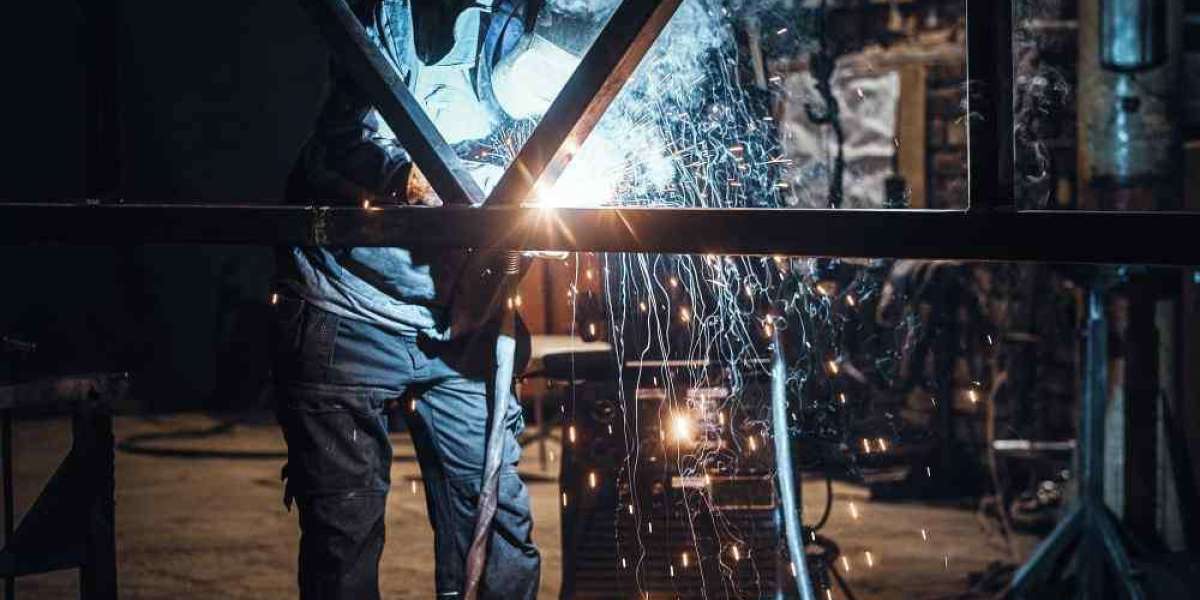

Steel fabrication is the backbone of modern construction, manufacturing, infrastructure, and countless engineered products around us. It’s the process of turning raw steel material into finished, custom-designed structures that support buildings, bridges, heavy machinery, ships, pipelines, and more. But steel fabrication isn’t a single action — it’s a carefully coordinated series of methods, technologies, and techniques.
If you’ve ever wondered what happens in a steel fabrication shop, how a design becomes a real steel component, or what the essential steps are — you’re about to find out.
Let’s dive deep into the key steel fabrication processes you need to know, how they work, and why they matter.
Understanding Steel Fabrication: More Than Just Metalwork
At its core, steel fabrication is a manufacturing approach that transforms raw steel into functional products. This involves:
cutting raw material to size
bending or forming pieces into specific shapes
joining components together
applying finishes that protect or beautify the steel
It’s a blend of art and engineering — all grounded in precision, planning, and quality control. Skilled fabricators turn drawings and 3D models into safe and reliable steel products using specialized machinery and proven techniques.
How Steel Fabrication Starts: Planning and Design
Before any metal touches a cutter or welder, steel fabrication begins with design and planning. Engineers or designers create detailed blueprints or CAD (Computer-Aided Design) models. These drawings specify the sizes, shapes, holes, angles, and connection points for each piece of steel needed in the final build.
Accurate planning is critical. Errors at this stage can lead to wasted material, costly rework, and project delays. Advanced software allows engineers to simulate how steel components will fit together, even before a single cut is made.
1. Cutting: The First Concrete Step in Fabrication
Cutting is often the first physical step in steel fabrication. Once steel is ordered and stamped with measurement markings, fabricators must shape it to match the design.
There are several cutting methods used:
Laser Cutting: A high-precision beam cuts complex shapes accurately. It’s clean, fast, and leaves smooth edges.
Plasma Cutting: Uses a stream of ionized gas to cut thicker plates quickly. Plasma cutting is faster than traditional methods but can leave rough edges.
Waterjet Cutting: Uses high-pressure water (sometimes mixed with abrasive material) to slice through steel without generating heat. Great for intricate shapes and heat-sensitive parts.
Sawing and Shearing: Traditional mechanical cuts for straight lines and simpler pieces.
Steel fabrication must begin with precision cutting — if the pieces aren’t correct, all later assembly becomes harder or impossible.
2. Forming and Bending: Giving Steel Its Shape
Once the steel is cut, it rarely stays flat. Many projects require:
curved beams
precise angles
shaped profiles
This is where forming and bending come in.
Press Braking
Using a machine called a press brake, steel is bent by pressing it between a punch and a die. This allows manufacturers to produce clean, accurate bends for frames or structural parts.
Roll Bending
Roll bending passes steel through rollers so it curves smoothly — ideal for pipes, tubes, or circular structures.
This type of shaping works without cutting away material — it deforms the steel using calculated force.
Bending and forming are critical because they transform 2D cut pieces into 3D structures ready for assembly or welding.
3. Welding: Making Permanent Connections
Welding is the backbone of fabrication joining. It’s the process of fusing steel parts together using heat, pressure, or both.
There are several welding methods commonly used:
MIG (Metal Inert Gas) Welding: Quick and versatile, ideal for general fabrication work.
TIG (Tungsten Inert Gas) Welding: Offers very clean and high-quality welds, ideal for thin materials or stainless steel.
Stick Welding (Shielded Metal Arc Welding): A traditional method that’s flexible in the field and on structural jobs.
Flux-Cored Arc Welding (FCAW): Often used for thicker steel and outdoor jobs.
Welding creates a permanent and strong bond ensuring the fabricated steel assembly can bear loads, withstand stress, and perform its intended function.
4. Assembly: Bringing Pieces Together
After cutting, forming, and welding, fabricators begin the assembly phase. This is when the individual steel pieces come together to create the larger structure — whether it’s a frame for a building, a support beam, or machinery components.
Assembly often involves:
positioning pieces correctly
aligning joints precisely
tacking (temporary welding) before full welding
checking measurements and fit
This process requires attention to detail — even small misalignments can cascade into larger structural issues later.
5. Surface Treatment: Protecting the Steel
Once the steel parts are joined and fit perfectly, most projects require surface treatments to ensure durability, appearance, and resistance to corrosion.
Common finishing methods include:
Galvanizing: Applying a protective zinc layer to prevent rust.
Powder Coating: A colored, durable finish used for aesthetic and protective purposes.
Painting: Traditional method for adding both protection and color.
Heat Treatment: Modifies the steel’s microstructure to improve strength or ductility.
Surface treatment isn’t just cosmetic — it ensures the fabricated steel can withstand weather, wear, and environmental stress.
6. Secondary and Supporting Processes
Beyond the main fabrication steps, several supporting processes are essential for final quality:
Drilling: Creating holes for bolts or fasteners after major shaping.
Punching and Stamping: Creating standardized patterns or holes for assembly or decoration.
Precision Machining: Removes small amounts of material for high accuracy.
These processes help prepare the steel for assembly, installation, and final use.
Steel Fabrication Quality Assurance
In industries like construction or aerospace, safety and performance are non-negotiable. Steel fabricators must follow industry standards and quality assurance protocols that involve:
dimensional checks
weld inspections
structural testing
compliance with codes
Many fabrication shops use CNC (Computer Numerical Control) machines and digital tools to eliminate human error and boost accuracy.
Real-World Applications of Steel Fabrication
Steel fabrication is everywhere:
Buildings and bridges: Structural steel frameworks underlie major infrastructure projects.
Industrial equipment: Heavy machinery components often start as fabricated steel.
Shipbuilding and marine structures: Precision steel parts ensure durability in harsh environments.
Agricultural and energy sectors: Tanks, supports, and pipelines rely on custom fabricated steel.
Without fabrication, raw steel would go unused — it’s the process that makes steel a functional material.
Comparison: Key Steel Fabrication Processes
Here’s a quick summary of primary processes and their roles:
| Process | Purpose | When Used |
|---|---|---|
| Cutting | Shapes raw steel | Initial step |
| Forming/Bending | Changes geometry | For specific part design |
| Welding | Joins parts | Structural assembly |
| Surface Treatment | Protection & finish | Final product stage |
| Secondary Machining | Precision shaping | For detailed features |
This comparison underscores how each process builds upon the previous to achieve a final, functional steel product.
Conclusion
Steel fabrication is a multi-step, high-precision craft that turns raw steel into the world’s essential structures and components. From cutting and bending to welding and finishing, each process brings unique value and requires skilled technicians, thoughtful design, and rigorous quality control.
Whether you’re involved in construction, infrastructure, manufacturing, or industrial design, understanding these key processes offers insight into how steel becomes strong, reliable, and ready to serve its purpose.
Frequently Asked Questions
1. What are the main steps in steel fabrication?
The core stages are cutting, forming/bending, welding, assembly, and surface treatment.
2. Why is welding crucial in fabrication?
Welding permanently joins steel components, creating the strength and continuity required for structural integrity.
3. How does laser cutting differ from waterjet cutting?
Laser cutting uses a focused beam of light for precision cuts, while waterjet uses high-pressure water to cut without heat.
4. What role does surface treatment play?
Surface finishing protects steel from corrosion, improves durability, and enhances appearance.
5. Can steel fabrication use automated equipment?
Yes, CNC machines and robotic tools are commonly used to improve accuracy, speed, and quality.