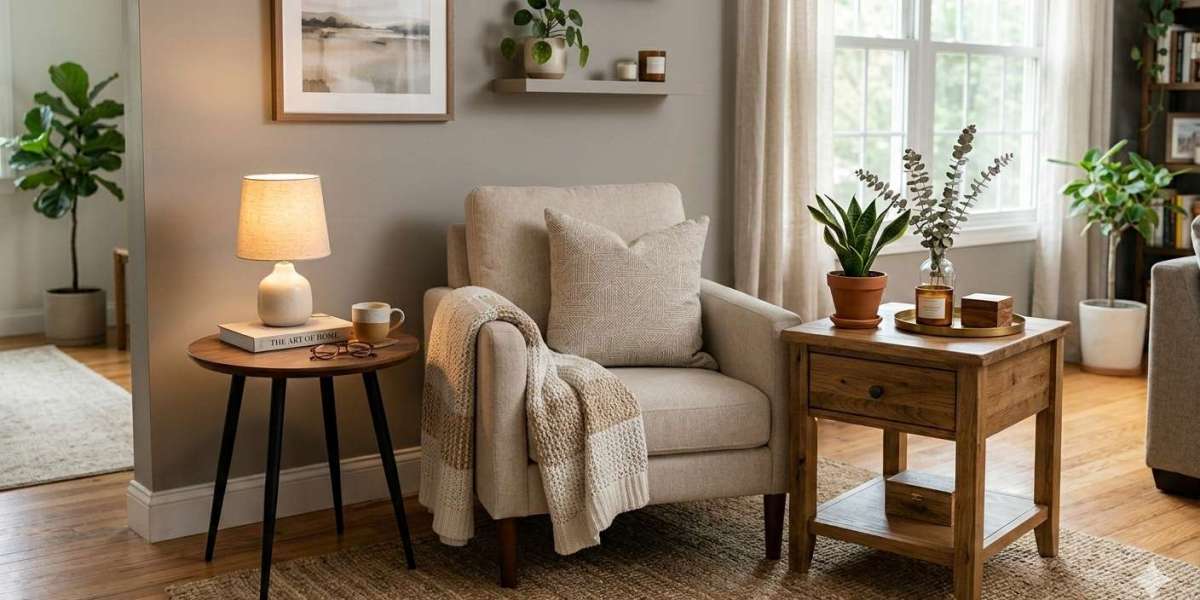

Side Tables: A Complete Guide to Style, Function, and Smart Interior Design
Side tables are one of the most versatile and essential pieces of furniture in any home. Though small in size, they play a significant role in enhancing both functionality and aesthetics. Whether placed next to a sofa, bed, or accent chair, side tables provide convenience while adding charm and personality to a room.
This detailed guide explores everything about side tables, including their purpose, styles, materials, placement ideas, trends, and frequently asked questions to help you choose the perfect one for your space.
What Are Side Tables
Side tables are compact tables designed to be placed beside seating furniture such as sofas, chairs, or beds. Their primary purpose is to provide a convenient surface for placing everyday items such as lamps, books, beverages, decorative pieces, or personal essentials.
Despite their small footprint, side tables significantly contribute to interior balance and room functionality. They act as both practical furniture and decorative accents.
The Importance of Side Tables in Interior Design
Side tables may seem like minor additions, but they are crucial in completing a room’s design. They help create symmetry in living rooms and bedrooms, making spaces feel balanced and thoughtfully arranged.
Interior designers often use side tables to anchor seating arrangements. For example, placing matching tables on either side of a sofa creates a structured and elegant look. In bedrooms, side tables next to the bed serve as bedside companions for lamps, alarm clocks, and nighttime essentials.
Beyond functionality, side tables offer an opportunity to showcase decor items such as vases, candles, picture frames, and small plants. They allow homeowners to express personal style through subtle details.
Different Types of Side Tables
Side tables come in various styles and designs to suit different needs and interior themes.
End Tables
End tables are typically placed at the end of a sofa or seating area. They often match the height of the sofa arm to provide easy access. These tables are common in living rooms and are perfect for holding drinks, remotes, or table lamps.
Bedside Tables
Bedside tables, also known as nightstands, are designed specifically for bedrooms. They often include drawers or shelves for storage. These tables keep essentials within reach while adding symmetry to the sleeping area.
Nesting Tables
Nesting tables consist of two or more tables that fit underneath each other. They are ideal for small spaces because they can be separated when needed and stacked together to save space.
C-Shape Tables
C-shaped side tables are designed to slide partially under a sofa or bed. They are practical for working on a laptop or placing snacks while sitting comfortably.
Accent Tables
Accent tables focus more on style than storage. They feature unique shapes, colors, and materials that enhance the decorative appeal of a room.
Popular Materials Used in Side Tables
The material of a side table influences its durability, appearance, and overall vibe.
Wood is one of the most popular materials. Solid wood tables provide warmth and a classic look, while engineered wood options are more affordable and lightweight.
Metal side tables offer a modern and industrial feel. They are durable and often combined with glass or wood tops for a contemporary design.
Glass tables create an open and airy look. They are ideal for small spaces because they do not visually crowd the room.
Marble and stone side tables add luxury and elegance. These materials are heavy and durable, making them suitable for upscale interiors.
Rattan and wicker side tables are perfect for bohemian or coastal themes. They add texture and a natural feel to living spaces.
Choosing the Right Side Table for Your Space
Selecting the right side table depends on room size, existing furniture, and personal style.
Height is an important factor. A side table should generally be level with or slightly lower than the arm of the sofa or mattress height for easy accessibility.
Size and proportion matter as well. In smaller rooms, compact or nesting tables work best. In larger living rooms, bold and statement tables can enhance the design.
Consider storage needs. If you require extra storage, choose tables with drawers or shelves. For minimalistic spaces, simple designs without storage create a cleaner look.
Color and finish should complement the existing decor. Neutral tones blend easily, while bold colors can serve as accent pieces.
Placement Ideas for Side Tables
Proper placement enhances both convenience and visual appeal.
In living rooms, side tables are typically placed beside sofas or between two chairs. This creates a functional surface for guests and family members.
In bedrooms, bedside tables are positioned on either side of the bed to create symmetry. They often hold lamps for nighttime reading.
In hallways or entryways, small side tables can function as decorative stands for keys, mail, or plants.
In home offices, compact side tables can hold printers or decorative items without occupying too much space.
Side Tables for Small Spaces
Small apartments and compact homes require smart furniture choices. Side tables are ideal because they offer functionality without taking up too much room.
Opt for lightweight designs that can be moved easily. Glass or acrylic tables visually expand the space. Nesting tables provide flexibility for entertaining guests while saving space when not in use.
Choosing multipurpose designs, such as tables with hidden storage, helps maximize utility in limited areas.
Latest Trends in Side Tables
Furniture trends continue to evolve, and side tables are no exception.
Minimalist designs with clean lines are highly popular. Neutral shades such as beige, grey, and natural wood tones dominate modern interiors.
Mixed materials, such as metal frames with marble tops, are trending in contemporary homes.
Sculptural and artistic side tables are becoming statement pieces. Unique shapes and textured finishes add personality to living spaces.
Sustainable and eco-friendly materials are also gaining attention as homeowners look for environmentally responsible furniture options.
Maintenance and Care Tips
Proper maintenance extends the life of side tables.
Wood tables should be cleaned with a soft cloth and protected from excessive moisture. Using coasters prevents water stains.
Glass tables require regular wiping to remove fingerprints and dust.
Metal tables should be kept dry to prevent rusting.
Marble surfaces should be cleaned gently and protected from acidic spills.
Regular cleaning and careful use ensure your side tables remain beautiful for years.
Frequently Asked Questions
What is the ideal height for a side table?
A side table should be approximately the same height as the sofa arm or mattress. This ensures easy access and visual balance.
Can side tables be used in small rooms?
Yes, side tables are perfect for small rooms. Compact, nesting, or glass designs help save space while adding functionality.
What materials are best for durability?
Solid wood, metal, and marble are highly durable materials. The choice depends on personal style and budget.
Are side tables only for living rooms?
No, side tables can be used in bedrooms, hallways, offices, balconies, and even bathrooms for decorative and practical purposes.
How do I match side tables with existing furniture?
Choose tables that complement the color, material, and design style of your current furniture. Neutral tones are versatile, while bold pieces can create contrast.
Conclusion
Side tables may be small, but they play a powerful role in home design. They enhance convenience, provide storage, and elevate the overall look of a room. With numerous styles, materials, and designs available, there is a perfect side table for every space and preference.
By considering size, height, material, and placement, you can select a side table that blends functionality with style. Whether you prefer modern minimalism, classic elegance, or bold artistic designs, side tables are timeless pieces that complete any interior beautifully.