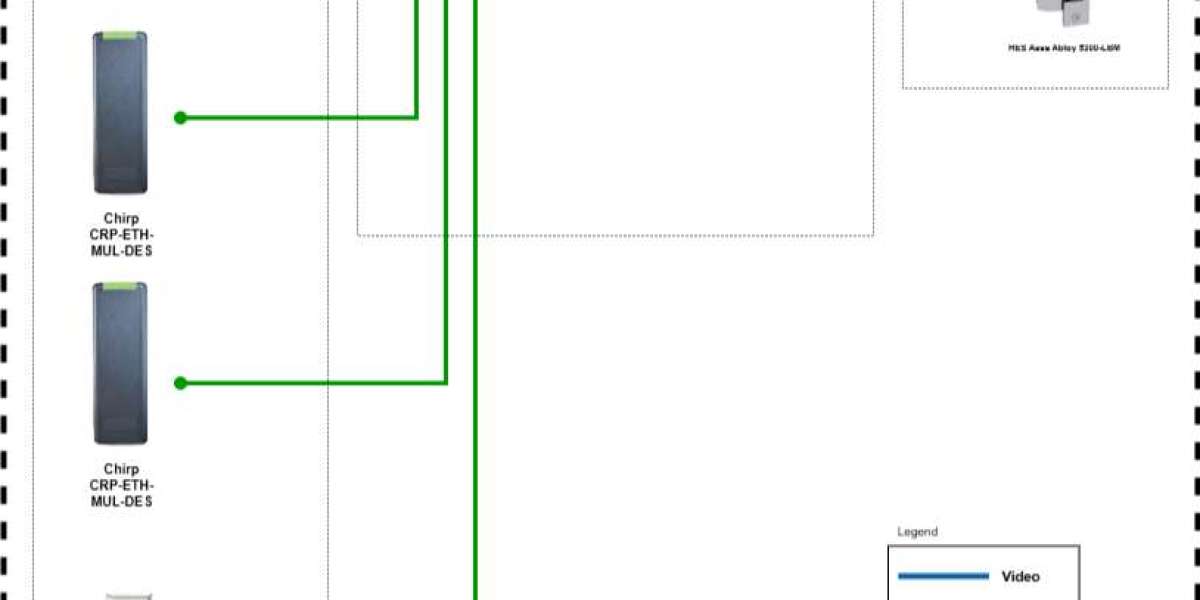

In today’s rapidly evolving enterprise environments, security and operational efficiency are top priorities. A robust access control system is essential for protecting assets, ensuring employee safety, and maintaining compliance with industry regulations. However, designing a system that can grow with the organization requires careful planning and foresight. Scalability, flexibility, and integration are critical factors in creating an effective access control system.
XTEN-AV provides advanced solutions for designing access control systems that are scalable, efficient, and easy to manage. By leveraging comprehensive Access Control System Design tools, enterprises can plan installations that meet current security needs while accommodating future growth.
Understanding Access Control System Design
Access control system design involves creating a framework that regulates who can enter specific areas of a facility and when. It typically includes hardware such as card readers, biometric scanners, electronic locks, and control panels, along with software that manages user credentials, access rights, and audit trails.
An effective Access Control System Design must address the following objectives:
Security: Prevent unauthorized access to sensitive areas.
Efficiency: Enable smooth entry for authorized personnel without delays.
Scalability: Allow the system to expand as the organization grows.
Integration: Work seamlessly with other enterprise systems such as video surveillance, alarms, and building management.
Compliance: Meet legal and industry standards for security and data protection.
Steps to Create a Scalable Access Control System Design
1. Assess Current and Future Needs
The first step is to evaluate the organization’s current security requirements and anticipate future needs. Consider factors such as:
Number of employees and anticipated growth
Number of entry points and secure areas
Types of credentials to be used (cards, biometrics, mobile access)
Integration with other systems like video surveillance, time attendance, or fire alarms
XTEN-AV allows designers to map out existing infrastructure and simulate future expansions, ensuring that the system can scale without major disruptions.
2. Define Access Levels and Policies
Clearly defining access levels is critical for a functional Access Control System Design. Identify zones within the facility and determine who should have access to each area. Examples include:
Public areas accessible to all employees and visitors
Restricted areas requiring specific credentials
High security zones for sensitive data or assets
Properly defined policies simplify credential management and ensure consistent enforcement of security protocols. XTEN-AV helps create visual access level maps for easy planning and implementation.
3. Choose Scalable Hardware and Software
Selecting the right hardware and software is key to scalability. Consider devices that support networked connections, cloud management, and future software updates. Features to look for include:
IP based controllers for easy network integration
Modular control panels that can expand to accommodate more doors
Mobile credential support for remote access
Software platforms with cloud connectivity and multi site management
XTEN-AV provides tools to simulate hardware deployment and evaluate system performance under various scenarios, ensuring that the chosen equipment can grow with organizational needs.
4. Plan Network Infrastructure
A scalable access control system relies on robust network architecture. Evaluate the current network to ensure it can support additional controllers, cameras, and endpoints without performance degradation. Consider redundancy, bandwidth requirements, and cybersecurity measures to protect sensitive access data.
5. Integrate with Other Enterprise Systems
Integration enhances the functionality of the access control system and provides a unified security ecosystem. Link access control with video management systems, alarm systems, and building management platforms to enable real time monitoring, event reporting, and automated responses. XTEN-AV allows designers to plan integration points and visualize how different systems interact seamlessly.
6. Implement Centralized Management
For large enterprises, centralized management simplifies administration and ensures consistent policies across multiple locations. Cloud based solutions or centralized servers allow administrators to monitor user access, generate reports, and manage credentials from a single interface. This approach reduces administrative overhead and supports scalability.
7. Conduct Simulation and Testing
Before deploying the system, simulate real world scenarios to identify potential bottlenecks, conflicts, or security gaps. XTEN-AV enables designers to test credential assignments, door operations, and system alerts in a virtual environment, ensuring that the system functions as intended before physical installation.
8. Plan for Maintenance and Upgrades
A scalable system should be easy to maintain and upgrade. Choose software that allows remote updates and hardware that can be replaced or expanded without major downtime. Regular maintenance schedules and system audits help maintain security and prevent future issues.
Benefits of a Scalable Access Control System
1. Flexibility for Growth
Scalable systems can accommodate organizational expansion, additional floors, or new facilities without requiring a complete redesign.
2. Enhanced Security
By clearly defining access levels and integrating with other security systems, enterprises can protect sensitive areas more effectively.
3. Cost Efficiency
Planning for scalability reduces the need for costly overhauls as the organization grows. Modular hardware and cloud based software allow incremental expansion.
4. Simplified Management
Centralized control and automated processes reduce administrative effort, improve accuracy, and streamline day to day operations.
5. Compliance and Audit Readiness
A well designed system provides detailed logs and reports, helping enterprises maintain compliance with security regulations and internal policies.
XTEN-AV: Enabling Scalable Access Control System Design
XTEN-AV offers comprehensive tools for planning and designing scalable access control systems. Key features include:
Visual Planning Tools: Map out access points, zones, and user permissions.
Simulation Capabilities: Test scenarios and optimize system layout before installation.
Integration Planning: Coordinate access control with video, alarm, and building management systems.
Scalability Support: Evaluate system growth options and modular expansions.
Documentation and Reports: Generate detailed design diagrams and configuration guides for installation teams.
By using XTEN-AV, enterprises can create access control systems that meet current security needs while remaining flexible and scalable for future growth.
Conclusion
Designing a scalable access control system for enterprises requires careful planning, strategic selection of hardware and software, and integration with other security systems. Proper Access Control System Design ensures that organizations can maintain high levels of security, manage access efficiently, and adapt to future growth.
With tools like XTEN-AV, designers and integrators can simulate layouts, plan expansions, and create a system that is both robust and flexible. A scalable access control system protects assets, enhances operational efficiency, and provides peace of mind for enterprises of all sizes.
Read more: https://solutionforav.mobirisesite.com/Complete-Guide-to-Access-Control-System-Design.html


