
Phosphates in Detergents: Environmental Impact and Alternatives
For decades, Phosphates have been a key ingredient in household and industrial detergents. Their powerful cleaning properties revolutionized the way we wash clothes and dishes, providing softness to water and enhancing detergent performance. However, as science has revealed the significant environmental consequences of phosphates, many governments and manufacturers have begun to phase them out. This article explores what phosphates are, their role in detergents, the ecological damage they cause, and the sustainable alternatives that are shaping a cleaner, greener future.
Understanding Phosphates and Their Function in Detergents
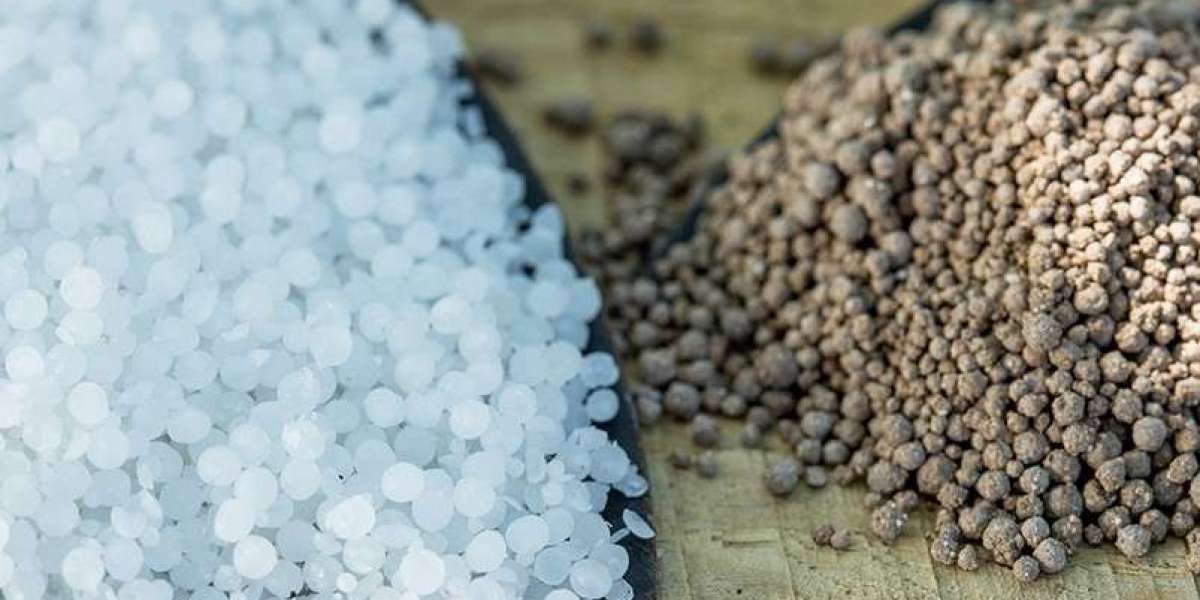
Phosphates are chemical compounds containing the element phosphorus, an essential nutrient for plant and animal life. In detergents, phosphates typically appear as sodium tripolyphosphate (STPP) or other similar salts. Their main function is to soften hard water, allowing the detergent to work more effectively by preventing calcium and magnesium ions from interfering with cleaning agents.
In simple terms, phosphates enhance detergent performance in three ways:
Water Softening – Phosphates bind to minerals in hard water, improving the action of surfactants.
Soil Suspension – They help prevent dirt and grease from redepositing on clothes or surfaces.
pH Buffering – Phosphates stabilize the pH level of the wash solution, ensuring optimal cleaning conditions.
Thanks to these properties, detergents with phosphates became immensely popular during the mid-20th century. They offered excellent cleaning power at relatively low cost and performed well in both hot and cold water.
However, what was once seen as a technological breakthrough soon revealed a darker side when scientists began to study the environmental effects of phosphate runoff.
The Environmental Impact of Phosphates
When wastewater containing phosphates enters rivers, lakes, or coastal waters, it does not simply disappear. Even though wastewater treatment plants remove many contaminants, phosphates often pass through filtration systems and reach natural water bodies. There, they act as a powerful fertilizer—triggering a process known as eutrophication.
1. Eutrophication and Algal Blooms
Eutrophication occurs when excess nutrients, primarily phosphates and nitrates, promote the overgrowth of algae in aquatic ecosystems. This leads to dense algal blooms that block sunlight from penetrating the water, killing aquatic plants and disrupting ecosystems.
As algae die and decompose, oxygen levels in the water plummet—a condition called hypoxia. Fish and other aquatic organisms suffocate, leading to massive die-offs. Entire ecosystems can collapse under the weight of this chain reaction.
2. Water Quality Degradation
The presence of phosphates in surface waters can turn once-clear lakes into murky, green, and foul-smelling bodies of water. The degradation of water quality affects not only wildlife but also human communities relying on these water sources for drinking, recreation, and fishing.
In severe cases, some algal blooms produce toxic cyanobacteria, which can contaminate drinking water and cause health problems such as liver damage, skin irritation, and gastrointestinal illness.
3. Long-Term Ecological Imbalance
Phosphate pollution creates a cycle of dependency within aquatic systems. Even after phosphate input decreases, sediment at the bottom of lakes can continue releasing stored phosphorus for years. This makes restoration of affected water bodies difficult and expensive.
4. Economic and Social Impacts
Communities around eutrophic lakes and rivers often face declining tourism, fishing losses, and increased water treatment costs. The cleanup of phosphate-polluted environments can require millions of dollars in restoration efforts and years of work.
Global Regulations on Phosphates in Detergents
Recognizing the widespread environmental damage caused by phosphates, many countries have enacted strict regulations or outright bans on their use in detergents.
North America
In the United States, several states began banning phosphates in laundry detergents as early as the 1970s. A nationwide ban on phosphates in household dishwasher detergents followed in 2010. Canada has also restricted phosphate content in consumer cleaning products.
Europe
The European Union has implemented stringent regulations limiting phosphate levels in detergents. Since 2013, laundry detergents sold in the EU have been required to have low phosphate content, and since 2017, similar restrictions apply to automatic dishwasher detergents.
Asia and Other Regions
Countries like Japan, South Korea, and China have gradually moved toward phosphate-free formulas, especially as environmental awareness increases. However, in some developing regions, phosphates remain common due to their low cost and high performance.
While regulation has reduced phosphate pollution in many regions, the need for effective and affordable alternatives remains crucial.
Phosphate-Free Alternatives: Sustainable Cleaning Solutions
The shift away from phosphates has spurred innovation in the detergent industry. Manufacturers now rely on a range of environmentally friendly compounds to achieve similar cleaning effects.
1. Zeolites
Zeolites, particularly Zeolite A, are crystalline aluminosilicates that serve as effective water softeners. They trap calcium and magnesium ions without releasing harmful nutrients into water systems. Zeolites are biodegradable, non-toxic, and widely used as phosphate replacements in laundry detergents.
2. Citrates and Carbonates
Sodium citrate and sodium carbonate (washing soda) are natural, safe, and biodegradable substances. They enhance cleaning by softening water and stabilizing pH levels, though they are less powerful than phosphates in heavy-duty cleaning.
3. Polycarboxylates
These synthetic polymers help prevent dirt redeposition and improve detergent stability. While not biodegradable, they are used in small quantities and have a lower environmental impact compared to phosphates.
4. Enzymes
Modern detergents often include enzymes such as proteases, amylases, and lipases. These biological catalysts break down protein, starch, and fat stains effectively—even at low temperatures—reducing the need for strong chemical builders like phosphates.
5. Biodegradable Surfactants
Advances in green chemistry have led to the creation of biodegradable surfactants derived from renewable sources such as coconut oil, palm oil, or sugar. These eco-friendly ingredients work synergistically with phosphate alternatives to maintain cleaning power without polluting waterways.
Benefits of Switching to Phosphate-Free Detergents
Choosing phosphate-free detergents isn’t just about environmental protection—it also offers practical and social benefits.
Cleaner Waterways – Reduced phosphate pollution means healthier aquatic ecosystems, clearer water, and fewer toxic blooms.
Healthier Communities – Lower risk of waterborne toxins and improved recreational water quality benefit public health.
Support for Sustainability – Consumers who buy phosphate-free products encourage companies to continue developing greener technologies.
Better Compatibility with Modern Machines – Many phosphate-free formulas are optimized for energy-efficient washing machines, providing excellent cleaning results at lower temperatures.
The Role of Consumers and Manufacturers
Environmental responsibility is a shared duty between industries and individuals. Manufacturers play a vital role in reformulating products and ensuring eco-friendly performance. However, consumers hold power through their purchasing choices.
When shoppers prioritize phosphate-free detergents, they send a strong signal to the market that sustainability matters. Over time, this collective demand drives innovation, investment in green chemistry, and stricter environmental standards worldwide.
Simple household habits can also make a difference:
Use the correct detergent dosage to minimize runoff.
Run full loads to reduce wastewater volume.
Choose certified eco-label products.
Educate others about the effects of phosphates on the environment.
The Future of Cleaning: Toward a Phosphate-Free World
The movement toward phosphate-free detergents represents more than a shift in product formulation—it reflects a broader commitment to environmental stewardship. Scientists continue exploring advanced bio-based builders, nanomaterials, and enzymatic boosters to further improve cleaning performance while minimizing ecological impact.
As awareness spreads, the goal is not only to eliminate harmful phosphates but to create a circular economy where detergent ingredients are renewable, biodegradable, and safe for all life forms.
Governments, companies, and consumers are aligning toward this shared vision—one wash load at a time.
Conclusion
Phosphates have long been valued for their cleaning efficiency, but their environmental costs far outweigh their benefits. The link between phosphate pollution and eutrophication has become undeniable, prompting global efforts to phase out their use in detergents.
Today, the detergent industry is at the forefront of sustainable innovation, introducing eco-friendly alternatives such as zeolites, citrates, enzymes, and biodegradable surfactants. These solutions deliver high cleaning performance without compromising the health of our planet.
By understanding the impact of phosphates and choosing phosphate-free options, every household can contribute to cleaner waterways, healthier communities, and a more sustainable future.