

Unlock the Secret to Perfect Window Shades: Discover Materials, Styles, and Installation Hacks!
Choosing the best window shades is crucial not only for enhancing the aesthetic appeal of your home but also for maximizing its functionality. The right window treatment can transform a room, providing light control, privacy, and insulation. With a myriad of options available, it’s essential to consider factors such as materials, styles, and installation techniques before making a decision. Whether you're redecorating a single room or your entire home, understanding these elements will help you select shades that fit your needs and complement your decor. In this article, we will delve into the various materials used in window shades, explore popular styles, and share expert installation tips to ensure you make an informed choice.
Understanding Window Shade Materials
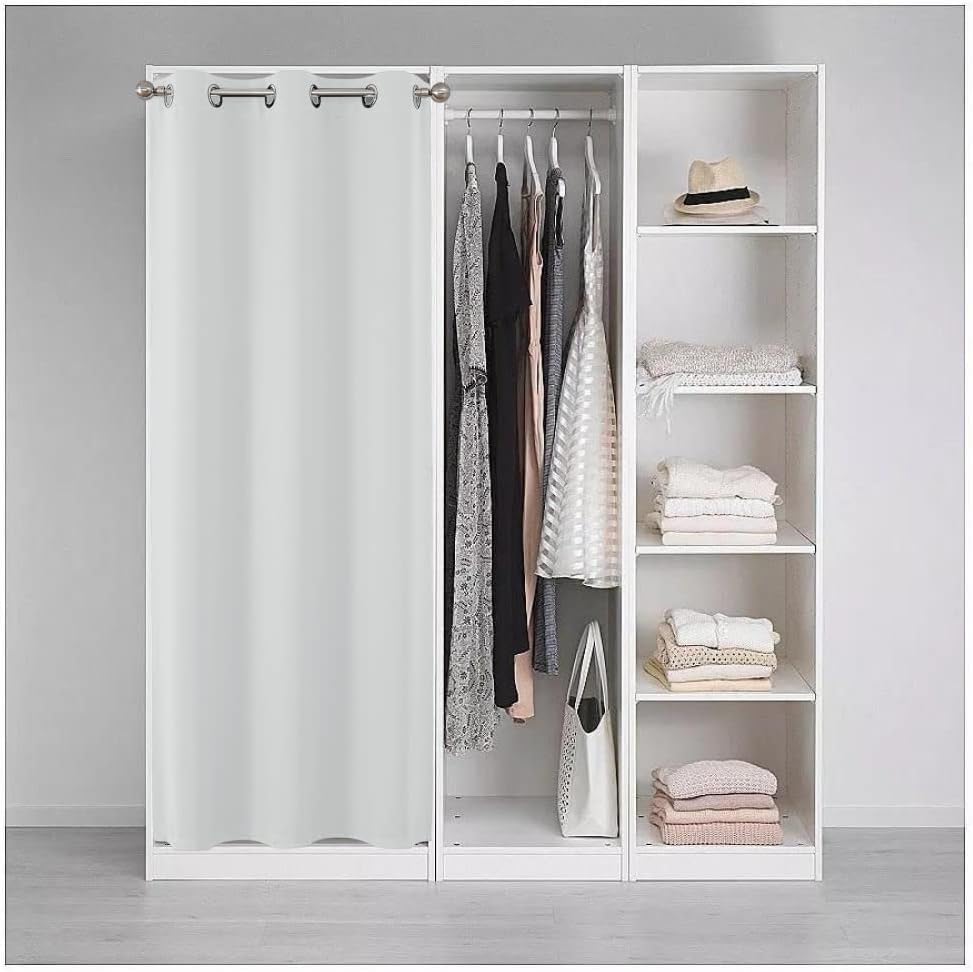
Window shades come in a variety of materials, each offering unique benefits and potential drawbacks. Fabric shades are popular for their versatility and ability to add warmth to a space. They can be easily cleaned and are available in numerous colors and patterns, but they may not provide the same level of insulation as some other materials. On the other hand, wooden shades bring a natural element to your decor, offering durability and excellent light control. However, they can be more expensive and require more maintenance to prevent warping or fading due to sunlight exposure. Vinyl shades are a budget-friendly option, known for their moisture resistance, making them ideal for bathrooms or kitchens. While they may lack the elegance of fabric or wood, they are easy to clean and maintain. Ultimately, the choice of material should align with your specific needs, whether it’s light control, insulation, or aesthetic appeal.
Popular Styles of Window Shades
When it comes to styles, window shades provide a vast array of options to suit different tastes and home aesthetics. Roller shades are a popular choice for their simplicity and sleek design. They can easily blend into any decor and can be customized with various fabrics and colors. Roman shades, with their soft folds, add a touch of elegance and can enhance a room’s sophistication while also offering good insulation. Cellular shades, known for their honeycomb structure, excel in energy efficiency by trapping air and providing excellent insulation. They are particularly beneficial in regions with extreme temperatures. Each style serves a purpose beyond just decoration; they can affect how light enters a room, thus influencing the overall atmosphere. For instance, a friend of mine opted for roller shades in her living room, allowing her to control the sunlight while maintaining a clean and modern look, perfectly complementing her minimalist decor.
Installation Hacks for Window Shades
Installing window shades may seem daunting, but with the right tips, it can be a straightforward process. First, accurately measuring your windows is crucial; take measurements of both the width and height, and consider whether you want the shades to hang outside or inside the window frame. Choosing the right hardware is also essential; ensure that it matches the weight of your shades. When it comes to installation, a common mistake is not leveling the shades properly, which can lead to an uneven look. I once helped a friend install her new Roman shades, and we made sure to use a level to avoid this issue. Additionally, always follow the manufacturer’s guidelines closely for installation; this ensures the longevity and effectiveness of your window treatments. If you're unsure, consider watching online tutorials or seeking professional help for a flawless finish.
Maintenance Tips for Longevity
To keep your window shades looking their best and ensure they last, regular maintenance is key. For fabric shades, a gentle vacuuming or a light dusting can help remove dust and allergens. Spot cleaning with a damp cloth can address stains, but always check the care instructions first. Wooden shades may require occasional polishing to maintain their luster and prevent damage from moisture. For vinyl shades, a simple wipe with a damp cloth is often enough to keep them clean. Preventive care is equally important; consider installing shades in areas where they won’t be exposed to direct sunlight for prolonged periods to prevent fading. By following these maintenance tips, you’ll keep your window shades in top condition for years to come.
Finding the Ideal Window Treatments for Your Home
Choosing the best window shades involves a thoughtful consideration of materials, styles, and installation techniques. By understanding the unique benefits of different materials and exploring various styles, you can find the perfect window treatment that not only enhances your home’s aesthetic but also improves its functionality. Additionally, employing the right installation hacks and maintenance tips will ensure your window shades remain a beautiful and effective part of your decor for years. Remember, the right window shades do more than just cover a window; they can transform a space, providing comfort, style, and energy efficiency.