

Unlock the Secrets of Radio-Controlled Airplanes: Discover How They Soar and What Makes Them Unique!
Radio-controlled (RC) airplanes have soared in popularity over the years, capturing the imaginations of hobbyists and aviation enthusiasts alike. The thrill of watching a model airplane take to the skies, maneuvering through the air with precision, is an experience like no other. These miniature aircraft operate through a combination of mechanical engineering and radio technology, allowing users to control flight paths from a distance. As the RC airplane community continues to grow, understanding the mechanics behind these marvels, the different types available, and their unique features becomes essential for anyone looking to join this captivating hobby. In this article, we will explore the fascinating world of radio-controlled airplanes, delving into how they work, the various types you can choose from, and what makes each one special.
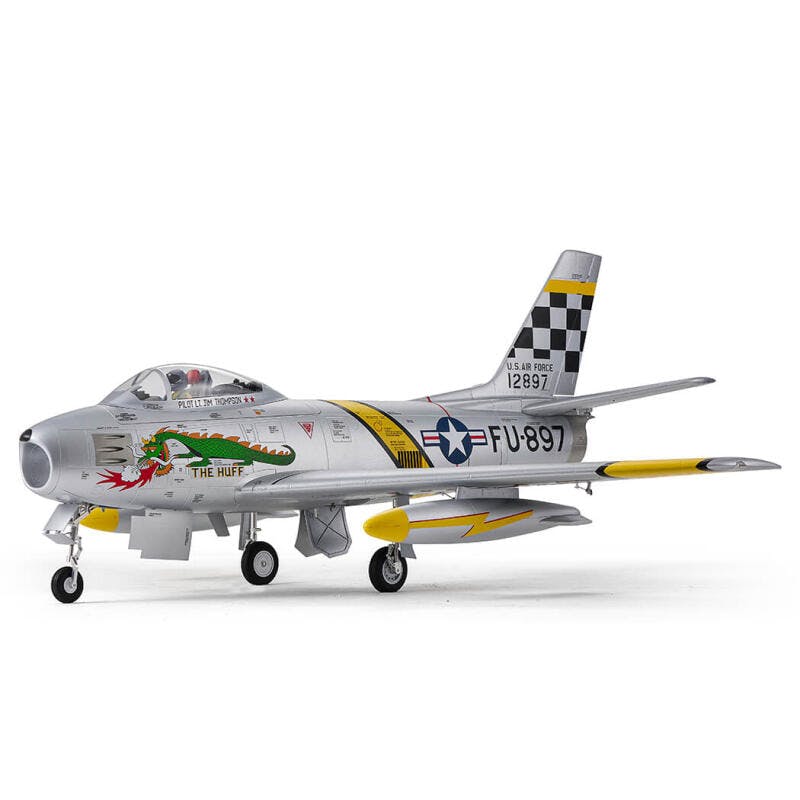
Understanding Radio-Controlled Airplanes
At its core, radio-controlled flight is a blend of technology and physics. The fundamental components of an RC airplane include a transmitter, receiver, servos, and the aircraft itself. The transmitter, held by the pilot, sends signals via radio frequencies to a receiver onboard the airplane. This receiver interprets the signals and relays commands to the servos, which control the aircraft's control surfaces—such as ailerons, rudders, and elevators—allowing it to maneuver in the air. An essential aspect of flying RC airplanes is understanding the significance of radio frequencies. Most modern systems operate on 2.4GHz, which provides a more reliable connection with less interference compared to older systems. The physics of flight also plays a crucial role in how RC airplanes operate. Similar to full-sized aircraft, RC models rely on four forces: lift, weight, thrust, and drag. Lift is generated by the wings as air flows over them, while thrust is produced by the airplane's motor. Understanding these principles not only enhances the flying experience but also helps aspiring pilots make informed decisions about their aircraft and flying techniques. A friend of mine, who has been flying RC airplanes for over a decade, often emphasizes the importance of grasping these fundamentals, as they can drastically improve one’s control and enjoyment while flying.
Types of Radio-Controlled Airplanes
The world of radio-controlled airplanes is vast, with various types catering to different interests, skill levels, and flying styles. Gliders, for instance, are designed for smooth, graceful flights and are perfect for beginners looking to learn the ropes. These models rely on thermals—rising columns of warm air—to stay aloft for extended periods, providing a gentle introduction to the hobby. Trainers are another popular category, specifically designed for new pilots. They often feature stable flight characteristics, making them easier to control while learning. As skills progress, enthusiasts may gravitate towards aerobatic planes, which are built for performing stunts and tricks in the air, such as loops and rolls. Scale models replicate full-sized aircraft in detail and design, appealing to those with a passion for aviation history. Each type of RC airplane serves a unique purpose, and understanding these categories can help hobbyists choose the right model based on their interest and experience level.
Electric vs. Gas-Powered RC Airplanes
When choosing an RC airplane, one of the critical considerations is the power source. Electric-powered RC airplanes are popular among beginners due to their ease of use and maintenance. These models are generally quieter and cleaner, offering the convenience of plug-and-play setup, making them ideal for flying in various environments. On the other hand, gas-powered airplanes are often favored by experienced hobbyists who appreciate the raw performance and longer flight times. These models can provide more power and speed, but they require more maintenance and setup. Each power source has its advantages and disadvantages, and the choice ultimately depends on personal preferences and flying objectives.
Key Features of RC Airplanes
The uniqueness of RC airplanes lies in their features, which enhance both performance and customization. Control surfaces are vital for maneuverability; they include ailerons for roll, elevators for pitch, and rudders for yaw. Understanding how these surfaces work together allows pilots to perform complex maneuvers with finesse. The materials used in construction also play a significant role in the airplane's performance. Lightweight materials, such as foam and composite, help improve flight efficiency, while sturdier materials like balsa wood or fiberglass provide durability. Technological advancements have revolutionized the RC flying experience. Innovations like 2.4GHz communication systems have minimized signal interference, allowing for multi-pilot events without the worry of frequency conflicts. Additionally, telemetry systems offer real-time data on the aircraft’s performance, enabling pilots to monitor battery levels, altitude, and other critical parameters during flight. The potential for customization is another exciting aspect of the hobby; enthusiasts often personalize their planes with unique paint jobs, upgraded components, and custom features, making their aircraft truly one-of-a-kind.
Exploring the World of RC Airplanes
Radio-controlled airplanes embody the thrill of flight and the joy of engineering, captivating hobbyists across the globe. From understanding the principles of flight to exploring the various types and features available, there is a wealth of knowledge to uncover in this fascinating hobby. Whether you are drawn to the graceful gliding of a trainer or the exhilarating stunts of an aerobatic plane, the world of RC airplanes offers something for everyone. As you embark on your journey into this exciting field, remember that each flight is an opportunity to learn, grow, and experience the sheer joy of flying. So grab your transmitter, take to the skies, and let your passion for radio-controlled airplanes take flight!