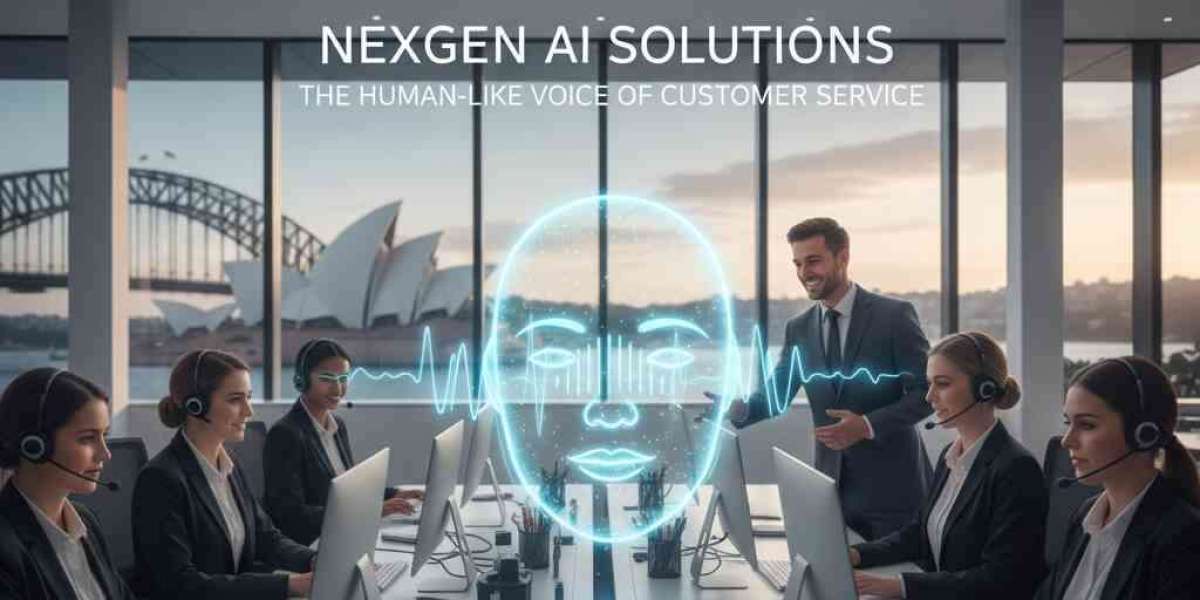

The rise of human-like voice agents marks a turning point in how businesses communicate with customers. These AI-powered systems don't just respond to queries—they hold conversations that feel natural, empathetic, and remarkably human. For regulated industries like healthcare, finance, and legal services, this technology offers immense potential. But with great power comes significant responsibility.
At NexGen AI Solutions, the team understands that deploying these sophisticated tools requires more than technical expertise. It demands a rigorous approach to ethics and privacy. Here's a practical checklist that organisations should follow when implementing voice AI in environments where trust and compliance aren't optional.
Start with Transparency
People deserve to know when they're speaking with an AI. This isn't just good practice—in many jurisdictions, it's the law. The conversation should begin with a clear disclosure. "You're speaking with an AI assistant" sets honest expectations from the first moment. This transparency builds trust rather than eroding it.
Some worry that disclosure will diminish the customer experience. Evidence suggests otherwise. When people know they're interacting with AI that's designed to help them efficiently, they're often more forgiving of occasional limitations and more focused on getting their needs met.
Secure the Data Pipeline
Voice interactions generate sensitive data. Every word spoken creates a data point that must be protected. For AI call centre automation Australia providers, this means implementing encryption at every stage—during transmission, while processing, and in storage.
NexGen AI Solutions prioritises data security by design. This includes limiting data retention to what's legally required, anonymising recordings where possible, and ensuring that storage complies with Australian privacy legislation. Regular security audits aren't optional extras. They're fundamental requirements.
Obtain Meaningful Consent
Consent forms filled with legal jargon don't constitute meaningful consent. Customers need to understand what data is being collected, how it will be used, and how long it will be kept. This information should be presented in plain language before the AI interaction begins.
For regulated industries, consent becomes even more critical. Healthcare providers, for instance, must ensure patients understand how their health information will be handled by voice AI systems. Financial institutions need explicit consent before discussing account details with automated systems.
Build in Human Oversight
Even the most advanced human-like voice bot Australia technology shouldn't operate without human supervision. Organisations need clear escalation protocols. When should the system transfer to a human agent? How quickly can this happen? What situations require immediate human intervention?
NexGen AI designs systems with multiple failsafes. If the AI detects distress, confusion, or requests for human assistance, the handoff happens seamlessly. This hybrid approach combines AI efficiency with human judgment where it matters most.
Conduct Regular Bias Audits
AI systems learn from data, and data reflects human biases. Voice agents can inadvertently perpetuate discrimination based on accent, speech patterns, or communication styles. Regular audits help identify and correct these biases before they cause harm.
Testing should include diverse voice samples representing different ages, genders, regional accents, and speech impediments. The goal isn't perfection from day one—it's continuous improvement and accountability.
Document Everything
Compliance requires documentation. Organisations need detailed records of how their voice AI systems make decisions, what data they access, and how they handle exceptions. This documentation serves multiple purposes: regulatory compliance, quality improvement, and accountability if issues arise.
Plan for Incidents
Despite best efforts, things can go wrong. Systems fail, data breaches occur, and AI makes mistakes. Having an incident response plan specific to voice AI deployments isn't pessimistic—it's responsible leadership.
This plan should detail who gets notified, how quickly, and what steps follow. For regulated industries, this often includes mandatory reporting to authorities and affected individuals.
NexGen AI Solutions approaches voice AI deployment as an ongoing commitment rather than a one-time implementation. The technology will evolve, regulations will change, and customer expectations will shift. Organisations that build ethical frameworks and privacy protections from the ground up position themselves not just for compliance, but for lasting customer trust.
The question isn't whether to deploy human-like voice agents. It's whether to deploy them responsibly.