
Unlock the Secrets to Choosing the Perfect IGBT Driver Modules for Your Next Project!
In the realm of power electronics, IGBT (Insulated Gate Bipolar Transistor) driver modules play a pivotal role in controlling high-power devices. These modules are essential components that ensure efficient switching and amplification of signals, making them critical in various applications such as motor drives, renewable energy systems, and industrial automation. As projects become increasingly sophisticated, selecting the right IGBT driver module can significantly impact performance and reliability. This article aims to guide you through the nuances of choosing the perfect IGBT driver module for your specific project or application, helping you make informed decisions that align with your technical requirements and operational goals.
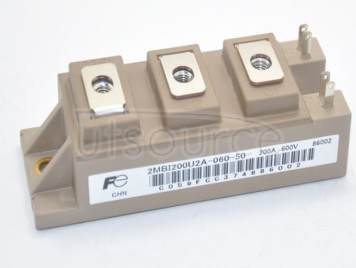
Understanding IGBT Driver Modules
IGBT driver modules are specialized circuits designed to control IGBTs, which are semiconductor devices that combine the advantages of both MOSFETs and bipolar transistors. These modules typically consist of several key components, including input circuitry, gate drivers, protection circuits, and sometimes isolation features. The driver module takes a low-power signal and converts it into a high-power signal capable of switching the IGBT on and off efficiently. This conversion is crucial for applications where precise control of power is necessary, such as in variable frequency drives (VFDs) or inverters used in solar energy systems. A robust driver module ensures that the IGBT operates within its safe limits while minimizing losses and heat generation, ultimately enhancing the overall efficiency of the system.
Key Considerations When Choosing IGBT Driver Modules
When selecting an IGBT driver module, several critical factors must be taken into account to ensure optimal performance. First and foremost, consider the voltage and current ratings of the driver module, which should match or exceed the specifications of the IGBT being used. Additionally, the switching frequency is a vital parameter; higher frequencies can lead to improved efficiency but may also require more sophisticated thermal management solutions due to increased heat generation. Thermal management, such as heat sinks or cooling systems, is paramount to prevent overheating and ensure the longevity of both the driver and the IGBT. Furthermore, the driver’s ability to handle noise and provide adequate protection against voltage spikes is crucial for maintaining system integrity. Evaluating these aspects can help you avoid potential pitfalls in your electronic designs.
Application-Specific Requirements
Every project has unique requirements that may dictate specific features of the IGBT driver module needed. For instance, in automotive applications, where reliability and safety are paramount, selecting a driver with robust protection features against overcurrent and overvoltage is essential. On the other hand, industrial applications may prioritize drivers that can handle high switching speeds and are compatible with existing control systems. It’s also worth considering the physical form factor of the driver module; space constraints in certain applications may limit your options. By clearly defining the needs of your project, you can narrow down the suitable IGBT driver modules that will provide the performance and reliability required for your specific use case.
Common Mistakes to Avoid
Choosing the wrong IGBT driver module can lead to a variety of issues, from inefficiencies to complete system failures. One common mistake is underestimating the importance of matching the driver’s voltage and current ratings with those of the IGBT. Failing to account for thermal management needs can also result in overheating, leading to premature failures. Another frequent oversight is disregarding the switching frequency capabilities, which can drastically affect performance in high-speed applications. To mitigate these risks, it’s essential to thoroughly review the specifications and application notes provided by manufacturers. Consulting with peers or seeking expert advice can also provide insights that may prevent costly missteps.
Where to Find Quality IGBT Driver Modules
Finding high-quality IGBT driver modules requires a good understanding of where to look and what to seek in suppliers. Start by exploring reputable electronics distributors that specialize in power electronics. Look for suppliers with a strong track record in providing reliable products, excellent customer service, and comprehensive technical support. Additionally, make sure to check for reviews or testimonials from other engineers or users who have purchased these modules. Attending industry trade shows or forums can also provide opportunities to connect with manufacturers and learn about the latest developments in IGBT technology. Building relationships with trusted suppliers can ensure you have access to quality components that meet your project needs.
Final Insights on IGBT Driver Module Selection
In conclusion, selecting the right IGBT driver module is a crucial step in ensuring the success of your electronic projects. By understanding the functionality of IGBT driver modules, considering key specifications, and recognizing the unique requirements of your applications, you can make informed decisions that enhance performance and reliability. Avoiding common mistakes and sourcing quality components from reputable suppliers will further contribute to the success of your endeavors. As you embark on your next project, apply the insights gained from this article to navigate the complexities of IGBT driver modules with confidence, paving the way for innovative and efficient electronic solutions.