

Unlock the Secrets of Web-Based Time Clocks: Revolutionize Your Time Management Today!
In today's fast-paced work environment, effective time management has become crucial for both employers and employees. With the rise of remote work and flexible schedules, traditional time tracking methods are often inadequate. Enter the web-based time clock—an innovative solution designed to streamline timekeeping in the modern workplace. A web-based time clock allows users to clock in and out from any internet-enabled device, making it easier to manage hours worked from anywhere. This article aims to delve into the workings of web-based time clocks and highlight their myriad benefits for users, providing insights that could transform your approach to time management.
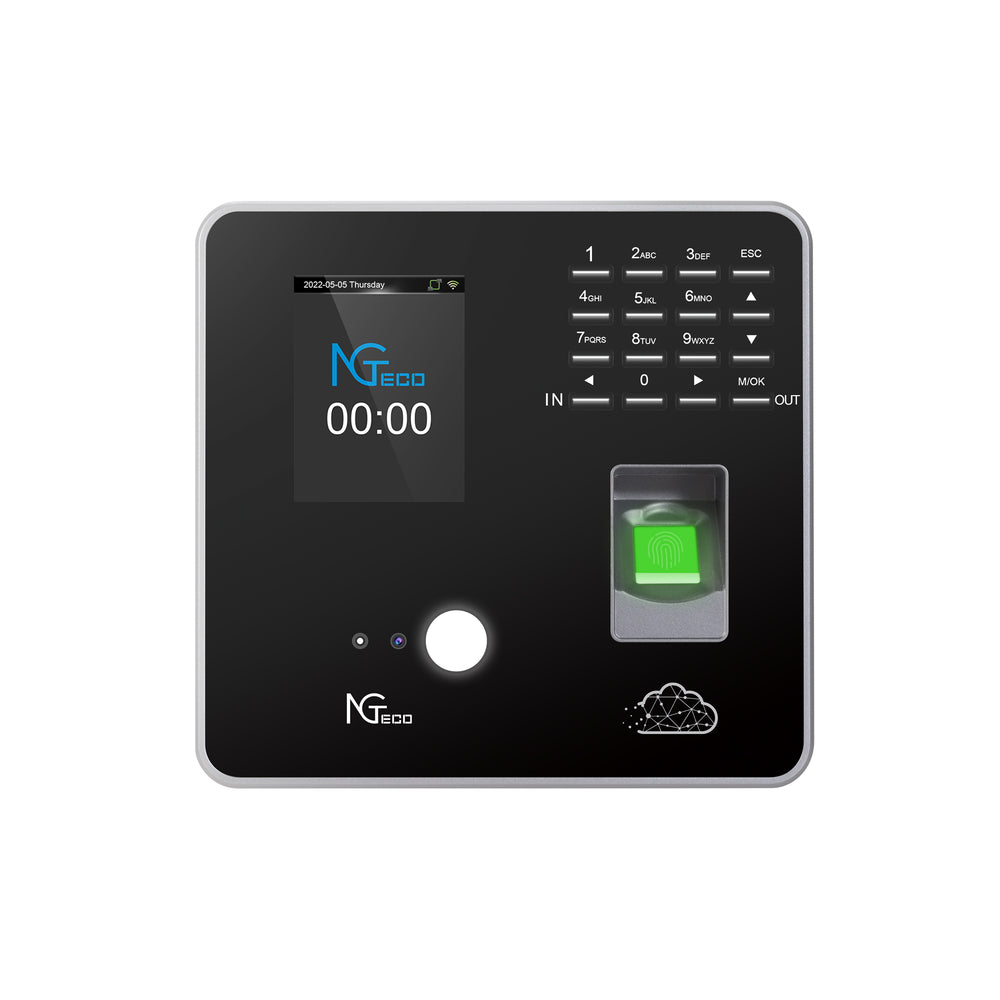
Understanding Web-Based Time Clocks
Web-based time clocks are digital timekeeping systems that operate through the internet, allowing employees to record their work hours electronically. Unlike traditional time clocks that rely on physical punch cards or clocks, web-based systems offer a more flexible and accessible alternative. The technology behind these systems typically involves cloud computing, enabling real-time data collection and storage. This means that as soon as an employee clocks in or out, that information is instantly available for managers to review. The accessibility features of web-based time clocks are particularly advantageous; employees can log their hours from various devices, whether they are working from home, at a client site, or on the go. This flexibility ensures that time tracking is seamless and efficient, regardless of location.
How Web-Based Time Clocks Work
The operational mechanics of web-based time clocks are centered around user interaction and data processing. Typically, employees log in to a web portal or mobile app where they can punch in or out. This process is straightforward, often requiring just a username and password. Once an employee clocks in, the system records the exact time and date, storing this information in a secure cloud database. This reliance on cloud technology not only enhances data security but also provides real-time updates to managers and payroll departments. Internet connectivity plays a vital role in the functionality of web-based time clocks; without it, the system cannot process entries or retrieve data. However, many systems now offer offline capabilities, allowing users to log hours even in low-connectivity situations, which are later synced once the internet is available.
Benefits of Using Web-Based Time Clocks
The advantages of adopting web-based time clocks are numerous. First and foremost is the increased accuracy in time tracking. With automated systems, the risk of human error associated with manual entries is significantly reduced. This leads to fairer payroll calculations and minimizes disputes over hours worked. Additionally, web-based time clocks help to reduce the administrative workload for HR departments. By automating time tracking, organizations can free up valuable time which can be allocated to more strategic tasks. Improved employee accountability is another key benefit; employees are more likely to adhere to their schedules when they know their hours are being accurately tracked. Moreover, these systems provide exceptional flexibility, which is essential for accommodating remote work and decentralized teams. As a friend of mine who manages a remote team recently shared, since implementing a web-based time clock, her team has experienced a dramatic decrease in missed hours and an increase in overall productivity.
Implementing a Web-Based Time Clock in Your Organization
For organizations considering the transition to a web-based time clock, several practical steps can facilitate a smooth implementation process. First, it’s essential to assess how the new system will integrate with existing software and payroll systems. This integration is critical for ensuring that data flows seamlessly from time tracking to payroll processing. Next, user training cannot be overlooked; employees need to understand how to effectively use the new system. Providing comprehensive training sessions and resources can alleviate confusion and encourage adoption. Lastly, consider the ongoing support requirements. Having a reliable support system in place ensures that any issues can be quickly resolved, maintaining operational efficiency. Engaging with employees during the selection and implementation process can also foster buy-in, ultimately leading to a more successful transition.
Embracing Modern Time Management Solutions
In summary, web-based time clocks represent a modern, efficient solution for time management in the workplace. Their advantages—such as increased accuracy, reduced administrative burden, and enhanced employee accountability—make them a compelling choice for organizations looking to improve their timekeeping methods. As the workplace continues to evolve, evaluating current time tracking practices is essential. Transitioning to a web-based solution not only enhances productivity but also positions organizations to adapt to the future of work. If you're still relying on outdated timekeeping methods, now is the time to consider making a change.


