

Unlock the Secret to Attracting Hummingbirds: Discover the Best Garden Feeders!
Attracting hummingbirds to your garden is not just a delightful sight; it’s a way to bring life and vibrancy to your outdoor space. These tiny, colorful birds are known for their incredible agility and their ability to hover in mid-air, making them a favorite among birdwatchers and nature enthusiasts. This article aims to delve into the world of garden hummingbird feeders, exploring the various types available, effective strategies to attract these enchanting birds, and the multitude of benefits that come from having them visit your garden. Whether you’re a seasoned gardener or a novice, learning how to invite these beautiful creatures can transform your garden into a lively sanctuary.
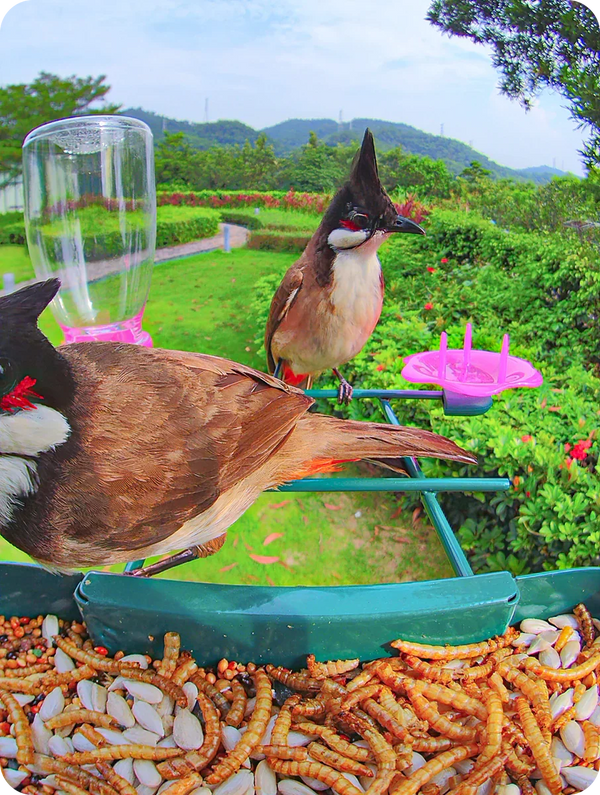
Types of Garden Hummingbird Feeders
When it comes to garden hummingbird feeders, there are several types to choose from, each offering unique designs and functionalities. Understanding these options can help you select the perfect feeder for your garden setting. The three primary types are tube feeders, dish feeders, and window feeders, each catering to different preferences and needs.
Tube Feeders
Tube feeders are among the most common types of hummingbird feeders. Their elongated design typically features multiple feeding ports along the sides, allowing several birds to feed simultaneously. One of the main advantages of tube feeders is their ability to hold a significant amount of nectar, reducing the frequency of refills. Additionally, many tube feeders come with built-in ant moats to keep pesky insects away from the nectar. However, they can be a bit more challenging to clean compared to other types, and if not properly maintained, they may lead to mold growth. A friend of mine, who has a beautiful garden, swears by her tube feeder, claiming that it attracts a flock of hummingbirds daily, creating a mesmerizing show.
Dish Feeders
Dish feeders are another popular option known for their simple, open design. They usually consist of a shallow basin that holds nectar, making them easy to fill and clean. One of the standout features of dish feeders is their versatility; they can also attract other birds and insects, making your garden even more lively. However, their open design does make them more susceptible to contamination from debris or rainwater, so it’s essential to check them regularly. I once visited a friend’s garden where she had set up a dish feeder among her flowering plants, and it was a delightful spot for hummingbirds to gather.
Window Feeders
For those who want to observe hummingbirds up close, window feeders are an excellent choice. These feeders attach directly to your window with suction cups, providing a front-row seat to the action. They are particularly beneficial for apartment dwellers or those with limited garden space. Window feeders also tend to be easier to clean and refill since they are within arm's reach. However, they may not accommodate as many birds at once due to their smaller size. My neighbor has a window feeder right next to her kitchen sink, and she loves watching the hummingbirds feed while she washes dishes, turning an ordinary chore into a delightful experience.
How to Attract Hummingbirds to Your Garden
Attracting hummingbirds to your garden involves more than just hanging up a feeder. There are several effective strategies you can implement to create a welcoming environment for these feathered visitors. From nectar recipes to planting the right flowers, the following tips will help you establish a hummingbird haven.
Nectar Recipes
Making homemade nectar is simple and can save you money compared to store-bought options. The most common recipe involves mixing four parts water with one part white granulated sugar. Boil the water, dissolve the sugar, and let it cool before filling your feeder. Avoid using food coloring or honey, as these can be harmful to hummingbirds. Regularly changing the nectar every few days, especially in warmer weather, is crucial to prevent fermentation and ensure the birds have a fresh, safe food source.
Feeder Placement
Placement of your feeders is equally important. Position them in a sheltered area, away from strong winds and direct sunlight, to keep the nectar from spoiling too quickly. Ideally, place the feeders near flowering plants that attract hummingbirds, as this can encourage them to visit. Observing your garden and noting the areas where hummingbirds naturally congregate can also help you find the best spots for your feeders.
Planting for Hummingbirds
Incorporating colorful flowers into your garden can significantly enhance your hummingbird attraction efforts. Plants such as trumpet vine, salvia, and bee balm are particularly appealing to these birds due to their vibrant colors and tubular shapes, which are perfect for hummingbirds to access nectar. Creating a diverse array of plants can also provide a continuous food source throughout the blooming season, keeping your garden buzzing with activity.
Benefits of Using Garden Hummingbird Feeders
Having hummingbirds visit your garden offers a multitude of benefits. Firstly, these birds play a crucial role in pollination, helping to fertilize flowers and promote plant growth. Their presence can lead to a more vibrant and thriving garden ecosystem. Additionally, the joy of birdwatching can bring peace and satisfaction to any gardener. Observing the quick, delicate movements of hummingbirds is not only entertaining but also a reminder of the beauty of nature. Furthermore, attracting these birds can contribute to biodiversity, supporting a healthier environment overall.
Creating a Hummingbird-Friendly Garden Environment
In summary, garden hummingbird feeders are a wonderful way to attract these fascinating birds, enhance your garden's beauty, and contribute to the ecosystem. By understanding the types of feeders available, implementing effective strategies to attract hummingbirds, and recognizing the numerous benefits they bring, you can create a harmonious space that delights both you and these lovely creatures. So, grab your feeder, whip up some nectar, and get ready to enjoy the vibrant spectacle of hummingbirds in your own backyard!