

Unlock the Secrets to Choosing the Perfect Electrical Breaker!
Electrical breakers play a crucial role in both residential and commercial electrical systems, acting as the first line of defense against electrical overloads and short circuits. These vital components interrupt the flow of electricity when they detect a fault, preventing potential hazards such as fires and equipment damage. Choosing the right electrical breaker is essential, not only for safety but also for ensuring the effective operation of your electrical system. In this article, we will explore the various types of electrical breakers, key factors to consider when purchasing them, and tips for installation and maintenance, all aimed at helping you make informed decisions that suit your specific needs.
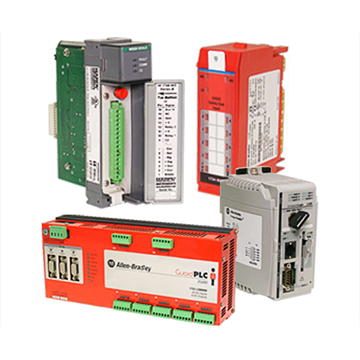
Understanding Electrical Breakers
Electrical breakers are devices designed to protect your electrical circuits from overload and short-circuit conditions. When the current exceeds a predetermined level, these devices automatically "break" the circuit, interrupting the flow of electricity. The most common types of electrical breakers include circuit breakers, ground fault circuit interrupters (GFCIs), and arc fault circuit interrupters (AFCIs). Circuit breakers are the standard choice for most applications, providing reliable protection against overloads. GFCIs are designed to prevent electrical shock by detecting imbalances in current flow, making them ideal for wet areas like kitchens and bathrooms. AFCIs, on the other hand, are specialized breakers that protect against fires caused by electrical arcing, making them essential for bedrooms and living spaces. Understanding these types is vital for selecting the right breaker for your needs.
Key Factors to Consider When Choosing Electrical Breakers
When selecting electrical breakers, several critical factors must be taken into account. The amperage rating is one of the most important; it determines the maximum current the breaker can handle before tripping. It's essential to choose a breaker with an amperage rating compatible with the wiring and devices in your system. Additionally, voltage is another crucial consideration, as different breakers are designed to operate at specific voltage levels. Compatibility with existing electrical systems cannot be overlooked, as installing an incompatible breaker can lead to potential hazards. Furthermore, understanding local electrical codes and regulations is essential, as they dictate the type and specifications of breakers required in your area, ensuring safety and compliance.
Safety Features
Safety features in electrical breakers have advanced significantly over the years, with options like surge protection and smart technology becoming increasingly popular. Surge protection helps safeguard your electrical devices from voltage spikes caused by lightning strikes or power surges, providing peace of mind for homeowners and businesses alike. Smart breakers, which can monitor energy usage and provide alerts through mobile apps, are also gaining traction. These sophisticated options not only enhance safety but also promote energy efficiency, allowing users to manage their electrical systems more effectively. Incorporating such features into your electrical system is a proactive step toward ensuring long-term safety and reliability.
Comparing Different Electrical Breakers
When it comes to choosing an electrical breaker, comparing different types can help in making an informed decision. Circuit breakers are generally the most versatile and widely used option, suitable for a variety of applications. However, they may not provide the specific protection that GFCIs and AFCIs offer. GFCIs are essential in areas where moisture is prevalent, providing an additional layer of safety against electric shock, while AFCIs are critical in preventing electrical fires. Each type has its pros and cons: circuit breakers are easy to reset and maintain, GFCIs can be more sensitive and may trip frequently in certain conditions, and AFCIs can be slightly more expensive but are worth the investment for fire prevention. Assessing your specific environment and usage scenarios will guide you in selecting the most appropriate breaker type.
Installation and Maintenance Considerations
Installing electrical breakers requires attention to detail and adherence to safety protocols. It is crucial to turn off the main power supply before starting the installation process to avoid electrical shock. Breakers should be mounted correctly in the breaker panel, ensuring secure connections to the wiring. Regular maintenance is equally important; checking for signs of wear or damage, ensuring connections are tight, and testing breakers periodically can help maintain their functionality. A personal anecdote from a friend highlights the importance of maintenance: after neglecting his breakers for years, he experienced frequent trips, leading to a costly electrical repair. Regular checks not only ensure safety but also prolong the life of your breakers, making them a worthwhile investment.
Making Informed Choices for Electrical Safety
Choosing the right electrical breakers is a critical decision that impacts the safety and efficiency of your electrical system. By understanding the different types of breakers, considering key factors such as amperage, voltage, and safety features, and comparing various options, you can make an informed choice that suits your specific needs. Remember to follow proper installation and maintenance guidelines to ensure longevity and reliability. Ultimately, being proactive in your electrical safety measures will lead to a more secure and efficient environment, whether at home or in a commercial setting.