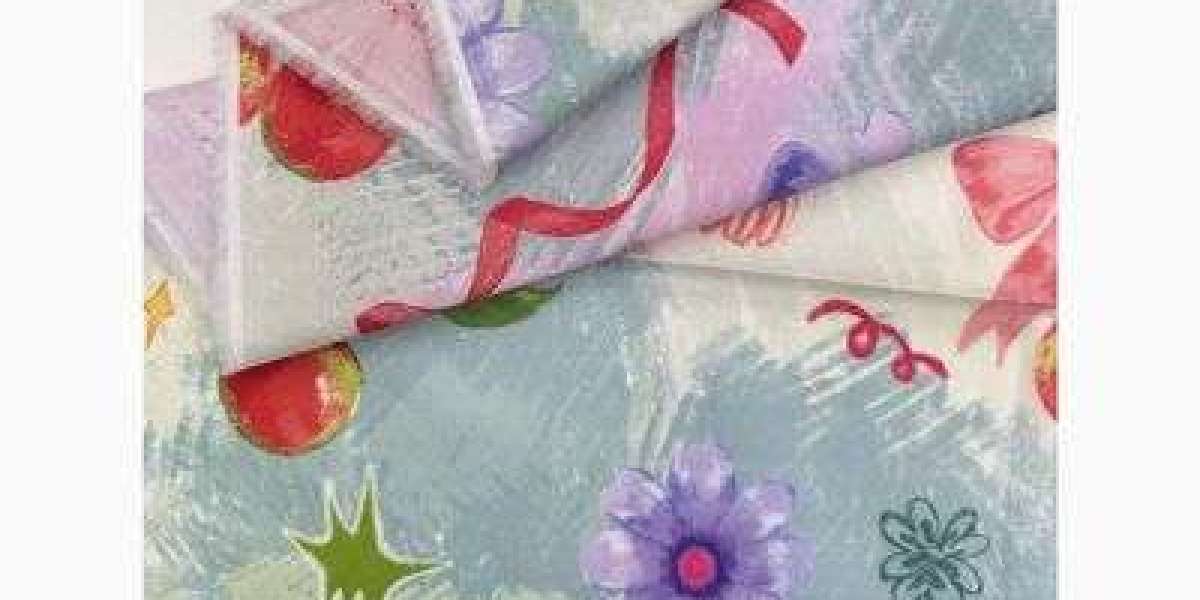

How Z&C Development Fabric Helps Designers Create Better Prototypes
In the world of apparel and product design, development fabrics play a behind-the-scenes but critical role. Before a finished garment ever hits production, designers spend countless hours refining fit, structure, drape, and technical details. This early stage is where decisions are made that influence comfort, durability, cost, and aesthetics. One of the most valuable tools in this phase is Z&C Development Fabric, which has quickly become a favorite among designers who prioritize precision, efficiency, and innovation.
In this article, we explore how Z&C Development Fabric enhances the prototyping process, why it matters, and how it gives designers a competitive edge in both creative and technical aspects of design.
What Is Z&C Development Fabric?
Z&C Development Fabric is a specialized material engineered specifically for the prototype and sample-making stages of fashion and product design. Unlike production fabrics—chosen mainly for the final customer experience—development fabrics are created for testing, refining, and perfecting the structure and fit of a garment.
What sets Z&C Development Fabric apart is its ideal balance of stability, consistency, and versatility. Its behavior closely resembles that of many commonly used production fabrics, allowing designers to simulate final garment performance without committing to expensive or complex production textiles during early-stage experimentation.
Why Designers Trust Z&C Development Fabric for Prototyping
Prototype development can be one of the most challenging phases in design. The early models determine pattern accuracy, functionality, comfort, and overall product direction. Here’s how Z&C Development Fabric simplifies and elevates the process.
1. Exceptional Stability for Accurate Pattern Testing
Patterns must be precise, and even the slightest distortion in fabric can lead to poor fit and additional rounds of corrections. Z&C Development Fabric is engineered with excellent dimensional stability, offering:
Minimal stretching
Predictable drape
Reliable grain alignment
Consistent shrink rates
This stability allows designers to test patterns with confidence, ensuring that the prototype reflects their true intentions.
2. Reliable Drape That Reflects Real-World Usage
Drape can make or break a garment. Whether you’re designing structured outerwear or a fluid dress silhouette, the way fabric falls on the body is one of the most important components of style and function.
Z&C Development Fabric offers a drape profile that mimics the characteristics of popular production materials. This creates a realistic preview of:
Garment movement
Silhouette shaping
Volume distribution
Ease and comfort
Designers can evaluate and adjust the drape without wasting costlier final fabrics during the experimental stages.
3. Cost-Effective for Multiple Prototype Iterations
The design process often requires several versions of a prototype. Using final fabrics for these tests can dramatically increase costs. Z&C Development Fabric allows designers to create multiple prototypes while maintaining budget efficiency.
Because it is economical yet high-performing, designers can focus on:
Experimenting freely
Testing multiple concepts
Making iterative improvements
Refining details before committing to production materials
This flexibility is essential, especially for emerging designers or brands working with tight sample budgets.
4. Easy Handling for Faster Sample Production
Z&C Development Fabric is known for its smooth handling and sewing compatibility. This simplifies the sample-making process for both designers and patternmakers.
Its user-friendly characteristics include:
Smooth feed through industrial and home sewing machines
Clean cutting lines
Strong seam retention
Minimal puckering during stitching
These features reduce the time required to complete each prototype, helping teams speed up development cycles and meet deadlines more easily.
5. Ideal for Functional and Technical Garments
Certain garments require performance testing even at the prototype stage—activewear, uniforms, outerwear, and technical apparel, for example. Z&C Development Fabric is versatile enough to support early testing of:
Seam strength
Ventilation placement
Panel structure
Pocket and trim functionality
Motion and stretch considerations
Its balanced construction ensures accurate assessments long before production-grade materials enter the process.
The Importance of Using the Right Development Fabric
Choosing the right development fabric can mean the difference between a smooth, efficient design process and weeks of additional sampling costs. Poor-quality development fabrics can cause misaligned seams, inaccurate fit testing, and misleading results that set production back.
By integrating Z&C Development Fabric into the prototype workflow, designers gain:
More accurate first samples
Faster corrections
Fewer production errors
Reduced material waste
Increased confidence in pattern integrity
A well-made development fabric—like Z&C’s—acts as a reliable foundation for creativity and technical excellence.
How Z&C Development Fabric Enhances Creativity
Prototyping isn’t only about technical testing—it’s also a stage for exploration. Z&C Development Fabric encourages experimentation by giving designers the freedom to test ideas at a realistic scale.
Experimenting with New Silhouettes
Because the fabric mimics real-world drape and structure, designers can push boundaries with bold or unconventional shapes without worrying about fabric distortion.
Testing Details and Embellishments
Even at the prototype level, details matter. Z&C Development Fabric supports early testing of:
Pockets
Pleats
Tucks
Stitch patterns
Panels
Volume adjustments
This allows creatives to refine every aspect of their vision before moving to more expensive final materials.
Enhancing Communication With Production Teams
Prototypes made with Z&C Development Fabric produce clearer visual and technical references, improving communication between:
Designers
Product developers
Patternmakers
Factories
Sample rooms
This leads to smoother transitions between development and final production.
Eco-Friendly Considerations
Sustainable development is increasingly important across the design industry. A reliable, high-quality development fabric helps reduce waste by minimizing the number of samples required.
Using Z&C Development Fabric responsibly contributes to:
Lower fabric waste
Fewer discarded sample garments
More efficient use of resources
This helps brands improve sustainability without compromising quality or speed.
Why Z&C Development Fabric Stands Out Among Competitors
Many development fabrics exist, but Z&C’s offering stands out because of its:
Consistent quality across batches
Wide applicability across garment types
Balanced weight and feel
Adaptability in both simple and complex designs
Trust built through use by professionals in various industries
Its ability to deliver predictable, high-level performance makes it a preferred tool for designers who demand excellence.
How to Use Z&C Development Fabric Effectively
To maximize the benefits, designers should:
Use it early in the prototyping cycle to test silhouette and fit.
Evaluate stitching and structural details using the fabric’s stable surface.
Create multiple sample iterations cost-effectively.
Use it as a communication tool when presenting concepts to technical teams.
Compare prototypes made from Z&C Development Fabric with final fabric to ensure alignment.
This strategic approach supports a smooth design and production workflow.
Conclusion: A Superior Tool for Better Prototypes
In today’s competitive market, designers must balance artistry with precision. Z&C Development Fabric makes this possible by offering a material that is stable, reliable, realistic, and cost-effective. Whether a designer is refining a couture piece, testing an athletic garment, or developing ready-to-wear basics, Z&C Development Fabric provides a consistent foundation for creating high-quality prototypes.
By using a development fabric that mirrors real-world performance and supports creative exploration, designers can produce better outcomes, reduce costs, speed up production timelines, and ultimately deliver garments that meet the highest standards of fit and functionality.