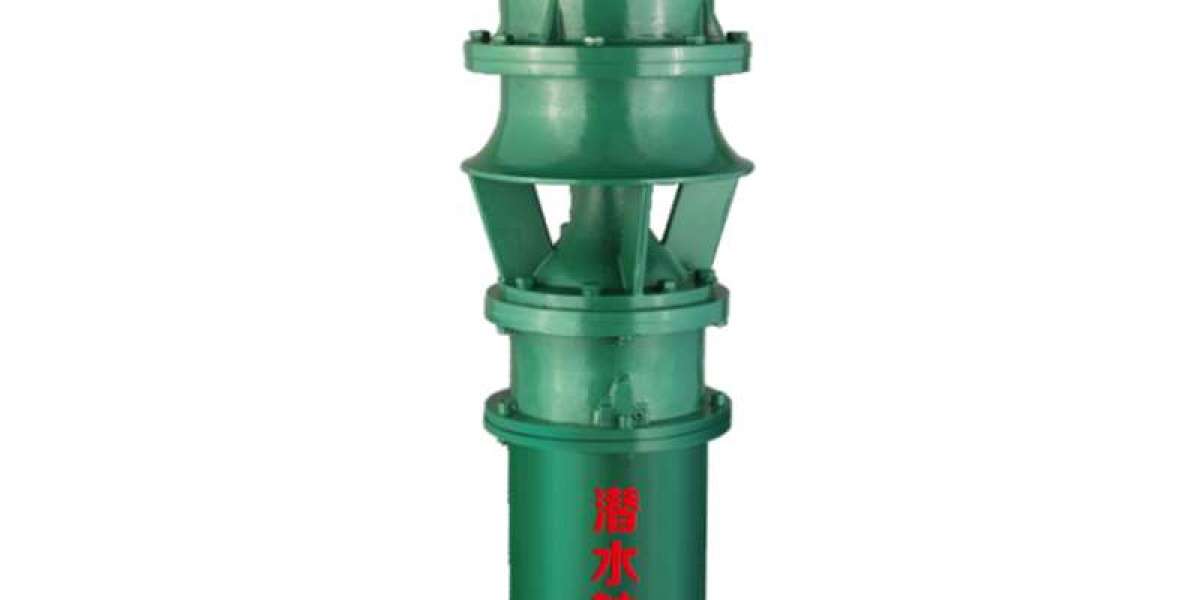

The operational foundation of a stainless steel submersible pump rests upon principles of hydraulic engineering, materials science, and electrical systems integration. This category of pumping equipment is designed for complete immersion in the fluid being handled, with all critical components enclosed within a waterproof housing. The selection of stainless steel as the primary construction material addresses the challenging environments where these submersible pump units typically operate. The fundamental working principle of a stainless steel submersible pump involves converting rotational energy from an electric motor into kinetic energy within the fluid, subsequently transforming this kinetic energy into pressure to move water or other liquids. The motor compartment in a quality submersible pump features multiple sealing systems that prevent fluid ingress while allowing for heat dissipation during operation. The hydraulic components of a stainless steel submersible pump are engineered to handle various fluid densities and solid contents while maintaining pumping efficiency. The integrated design approach for these pump systems ensures that electrical safety, hydraulic performance, and mechanical reliability receive balanced consideration throughout the development process.
The material specification for a stainless steel submersible pump represents a critical engineering decision that influences durability, corrosion resistance, and overall service life. The stainless steel grades selected for submersible pump construction typically fall within the 300 series, with specific alloys chosen based on the chemical composition of the fluid being pumped. The pump casing, impeller, and motor housing in a quality stainless steel submersible pump are manufactured from materials that resist pitting, crevice corrosion, and stress corrosion cracking in challenging environments. The surface finish on these stainless steel components affects both hydraulic efficiency and resistance to biofilm formation or mineral deposition. In a submersible pump designed for aggressive chemical environments, the stainless steel formulation may include additional alloying elements to enhance specific corrosion resistance properties. The mechanical properties of the selected stainless steel must accommodate both static pressure loads and dynamic stresses during pump operation. The material consistency throughout the stainless steel submersible pump construction prevents galvanic corrosion that could occur between dissimilar metals in submerged applications.
The motor technology integrated into a stainless steel submersible pump requires specialized engineering to address the unique challenges of submerged operation. The electric motor in a submersible pump is typically filled with dielectric oil or water-resistant grease that provides both lubrication and heat transfer properties. The winding insulation in a quality stainless steel submersible pump motor incorporates materials that maintain dielectric strength despite constant exposure to moisture and potential chemical contaminants. The bearing systems in these submersible pump motors are engineered for extended service life with minimal maintenance, utilizing materials compatible with the chosen filling medium. The thermal protection devices in a modern stainless steel submersible pump monitor motor temperature and current draw, automatically shutting down the unit if operating parameters exceed safe limits. The power cable entry point on a submersible pump represents a critical engineering feature, employing multiple sealing mechanisms to prevent water migration along the cable conductors. The motor efficiency of a contemporary stainless steel submersible pump reflects ongoing improvements in electromagnetic design and manufacturing precision.
The hydraulic performance characteristics of a stainless steel submersible pump determine its suitability for specific applications across residential, agricultural, industrial, and municipal sectors. The impeller design in a submersible pump creates the fundamental relationship between flow rate, pressure development, and power consumption. Multi-stage stainless steel submersible pump configurations incorporate several impeller and diffuser combinations arranged in series to achieve higher pressure capabilities without increasing individual stage rotational velocity. The volute or diffuser geometry in these pump units is optimized to convert velocity energy into pressure energy with minimal turbulence and loss. The clearance tolerances between rotating and stationary components in a precision stainless steel submersible pump influence both efficiency and wear resistance over the operational lifespan. The pumping capabilities of a submersible pump are typically documented through performance curves that illustrate the relationship between flow rate and pressure development across the operational range. The sustained hydraulic performance of a well-engineered stainless steel submersible pump demonstrates how integrated design and appropriate material selection create reliable fluid handling solutions for challenging submerged applications across various industries and operating conditions.