
If you've spent any amount of time around heavy machinery, industrial automation, or mobile equipment, you already know hydraulic systems are the muscle behind movement. Whether it's a construction excavator, a forestry boom, a road maintenance vehicle, or even a compact lifting platform, hydraulic power has been the force enabling machines to lift, rotate, steer, dig, compress, or move weight that would otherwise be impossible.
But something interesting has happened over the past decade. Hydraulics are no longer just about raw power. They’re becoming smarter, more responsive, more efficient, and deeply connected to modern digital systems. Today, technology like the hydraulic servo control system, inductive linear position sensor, and advanced rotary actuator is reshaping how mobile machinery performs — with precision once reserved only for robotics or aerospace equipment.
Even the service landscape is changing. Mobile hydraulic repair and mobile hydraulic services have evolved beyond wrench-turning into diagnostics-driven, sensor-assisted maintenance that keeps equipment running accurately, safely, and without unnecessary downtime.
This shift isn’t subtle — it's redefining what hydraulic systems can do.
Hydraulics Are Changing — And It Starts With Control
Traditional hydraulics operated on a simple principle: apply fluid under pressure and generate motion. The drawback was always control. Operators could only adjust flow and pressure through valves, lever positions, and experience. That meant response depended heavily on operator skill and mechanical efficiency.
Then servo control entered the picture.
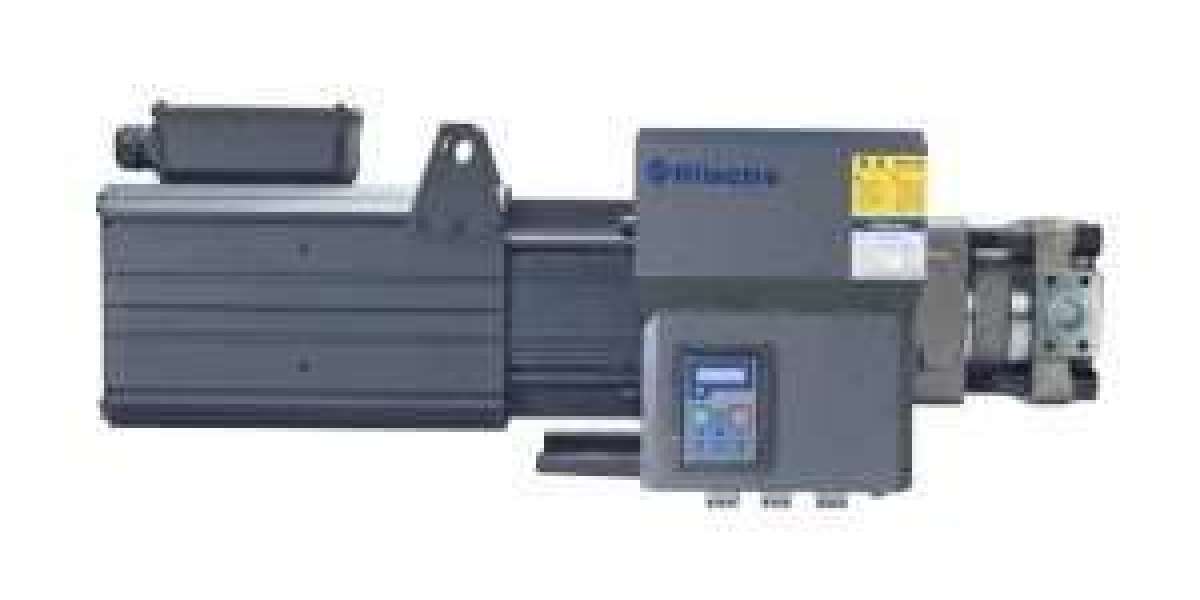
A hydraulic servo control system bridges the gap between fluid power and electronic precision. Instead of relying solely on pressure and flow settings, servo-controlled systems respond to real-time input signals. The machine interprets what is needed and adjusts the hydraulics instantly, allowing:
Smooth movement even at low speeds
Repeatable positioning accuracy
Reduced overshoot and lag
Lower energy consumption
Better safety and control
If older hydraulic systems felt like steering a ship by hand, servo-controlled systems feel more like steering a luxury car — precise, responsive, predictable.
This control makes a difference not just in large industrial environments, but especially in equipment operating remotely, outdoors, or in variable load conditions.
The Role of Sensors: Seeing Motion With Digital Eyes
Hydraulic machinery used to operate blind. Operators relied on sight, sound, vibration, and instinct while the system itself had no concept of where its components actually were.
That has changed.
The integration of feedback technology like the inductive linear position sensor enables hydraulic cylinders to communicate their stroke position in real time. That means the machine isn't guessing anymore — it knows.
An inductive position sensor works by detecting movement without physical contact. That’s a huge advantage because hydraulic cylinders work in environments where dirt, grease, vibration, shock, and pressure cycles would quickly destroy exposed sensing equipment.
By measuring movement this way, hydraulic systems can:
Automatically adjust cylinder stroke
Maintain synchronized motion between multiple actuators
Improve repeatability in automated tasks
Support advanced machine safety protocols
Think about forestry processors cutting logs to exact length, excavators performing precision digging, or lifting devices stopping exactly where needed — that level of accuracy is only possible because of position sensing.
Add servo control on top of that, and you get hydraulics capable of fine-tuned motion instead of brute-force behavior.
Rotary Actuators: Turning Fluid Power Into Controlled Rotation
While hydraulic cylinders excel at push-pull movement, many applications require controlled rotation — steering, pivoting, gripping, indexing, drilling, or articulated motion.
That’s where the rotary actuator comes into play.
A rotary actuator converts hydraulic pressure into smooth rotational torque. Instead of spinning continuously like a motor, it moves through a controlled angular range. Some actuators rotate 90°, others 180°, and some full 360° depending on application.
Rotary actuators become especially valuable when:
Space is limited
The machine requires strong twisting force
Precision positioning is needed
Rotation must happen under heavy load
Paired with inductive sensors and servo systems, the rotary actuator becomes a precision-controlled motion system capable of handling rugged duty cycles.
Many industries rely on this combination — agriculture, earthmoving equipment, offshore machinery, automation, military vehicles, and mining are just a few examples.
When Hydraulics Go Mobile: Service and Repair Matter More
Whether you're working with a forestry harvester, a mobile crane, a tracked loader, or a remote robotic arm, one reality never changes: hydraulic systems wear.
Hoses age. Seals break down. Valves drift. Cylinders leak. Pumps lose efficiency.
That’s where mobile hydraulic repair becomes essential. Instead of removing machinery from service, repair technicians now come directly to the equipment. And these aren’t old-school mechanics anymore. They use:
Diagnostic tools
Sensor readings
Data logging
Digital calibration systems
This approach reduces downtime dramatically. If a machine is running a critical project, every minute of downtime costs money, sometimes thousands per hour. Modern mobile hydraulic services allow repairs, fine-tuning, and calibration to happen onsite — sometimes even without stopping operations entirely.
These repair teams often calibrate servo valves, replace or troubleshoot inductive sensors, re-tune motion profiles, or verify that rotary actuators are moving within tolerance ranges.
Hydraulic repair has evolved from mechanical replacement to mechanical + digital support — and equipment performance is better for it.
How Everything Comes Together in Modern Equipment
Imagine a forestry crane using a hydraulic servo control system to lift logs. A rotary actuator allows the grapple to rotate smoothly. The inductive linear position sensor tells the machine exactly how far the hydraulic cylinder is extended. Motion is controlled smoothly at every stage — no jerking, no delay, no overshooting.
Now imagine something goes wrong — a slow response, drifting cylinder, or unusual movement signature.
Instead of shutting down and hauling equipment to a service center, a mobile hydraulic repair technician arrives, connects diagnostic tools, interprets sensor and servo data, and corrects the issue — whether mechanical, electronic, or control logic related.
This ecosystem — hydraulics + sensors + intelligent control + field service — is the new standard.
Why Precision Hydraulics Aren’t Just a Trend — They’re a Requirement
Industries today operate under tighter requirements:
Safety regulations
Energy efficiency demands
Operator fatigue reduction
Automation readiness
Environmental compliance
Job repeatability
Cost control
Hydraulics remain the backbone of heavy industries, but they must evolve to meet these expectations. With servo control, inductive sensing, optimized actuation, and high-tech repair services, the industry is moving toward a smarter, more controlled future.
And this evolution isn't slowing down — it’s accelerating.
Frequently Asked Questions
1. What makes a hydraulic servo control system different from standard hydraulics?
A servo-controlled hydraulic system uses electronics and feedback to fine-tune motion, offering smoother movement, accuracy, and automation capability.
2. Why are inductive linear position sensors used in hydraulic cylinders?
They provide precise measurement without contact, making them durable enough for harsh industrial and mobile environments.
3. Where are rotary actuators typically used?
They’re used in applications requiring controlled rotation, such as steering systems, handling arms, lifting mechanisms, and industrial automation.
4. What does mobile hydraulic repair include?
It includes onsite troubleshooting, component replacement, calibration, diagnostics, and servicing of hydraulic systems in mobile equipment.
5. Are modern hydraulic systems becoming more electronic?
Yes — digital controls, sensors, and automation are becoming standard features in hydraulic systems across industries.