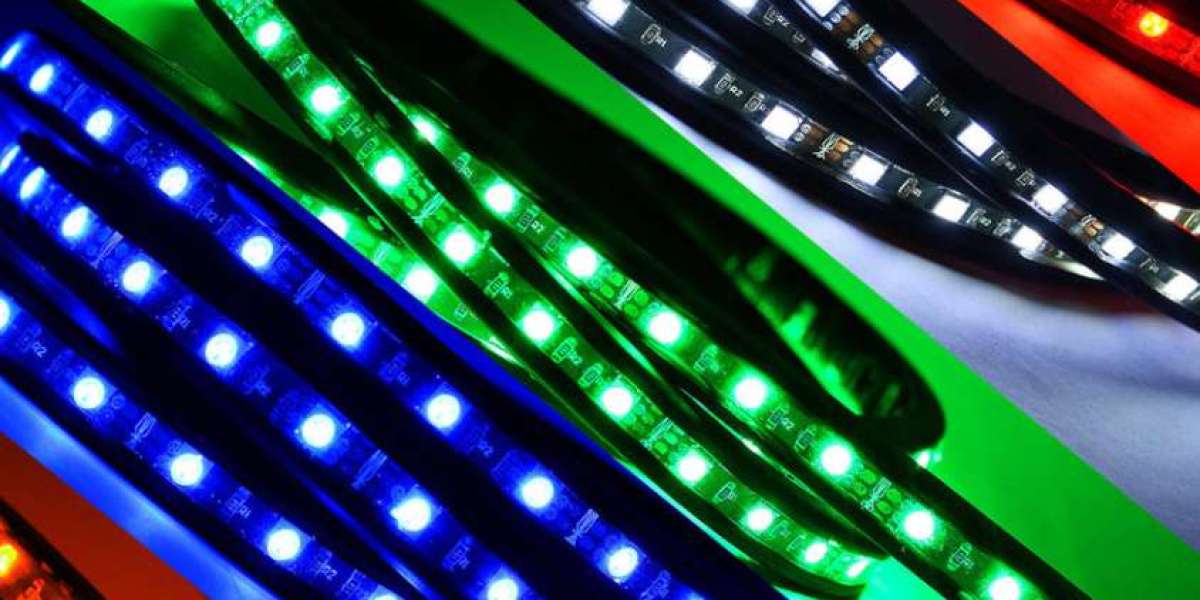

Why Narrow LED Strips Are Transforming Modern Lighting Design
In the world of contemporary lighting, one innovation is quietly reshaping the landscape: the Narrow Led Strip. While traditional LED strips have dominated for years, the shift toward slimmer, more flexible, and more precise lighting solutions is accelerating—and for good reason. As architects, designers, and homeowners demand cleaner lines, minimalist aesthetics, and improved performance, the Narrow LED Strip has become the new go-to tool for achieving truly modern illumination.
This article explores why Narrow LED Strips are redefining how we think about light—its placement, its purpose, and its potential. From architectural accents to intricate product applications, their influence reaches far beyond typical home lighting. Let’s explore how these compact powerhouses are shaping the future of design.
What Makes a Narrow LED Strip Different?
While traditional LED strips typically range from 8mm to 12mm in width, a Narrow LED Strip can be as slim as 3mm, 4mm, or 5mm. That reduction in size might seem small, but it opens up an entirely new world of design possibilities.
Here’s what sets them apart:
1. Ultra-Slim Profile
The thinness of a Narrow LED Strip allows it to fit into tight channels and spaces where standard LED strips simply won’t go. Designers can integrate light into:
Micro-thin cabinetry
Shadow gaps
Thin frames
Floating shelves
Minimalistic signage
This makes it possible to illuminate areas without exposing the lighting element—achieving a clean, seamless effect that modern design loves.
2. Greater Flexibility
The slimmer the strip, the more flexible it tends to be. This adaptability means Narrow LED Strips can bend around curves, follow shapes, and integrate into delicate architectural details with ease.
3. Precision Lighting Control
Because these strips often feature smaller LED chips placed closer together, they reduce spotting and create smoother light lines. In design applications where continuity is essential, such as cove lighting or accent grooves, the Narrow LED Strip excels.
Why Narrow LED Strips Are a Game-Changer in Modern Lighting
Modern lighting design has shifted dramatically over the last decade. Clean lines, hidden light sources, and layered environments are now essential. Here’s how the Narrow LED Strip supports this evolution.
1. Perfect for Minimalist Architecture
Minimalism relies on the absence of clutter—including visible lighting fixtures. A Narrow LED Strip can be neatly recessed into almost any architectural slot, creating gentle lines of light that feel natural and unobtrusive.
This approach enhances:
Wall niches
Floating stairs
Handrail lighting
Ceiling trims
Invisible light channels
Designers use Narrow LED Strips to highlight structure and form rather than dominate it.
2. Enhanced Ambient and Mood Lighting
Ambient lighting has become one of the most important elements in modern interior design. Unlike direct or harsh lighting, ambient lighting softens a space, making it feel intentional and inviting.
The Narrow LED Strip is perfect for:
Backlighting TVs
Under-bed illumination
Shelf and display accents
Behind artwork
Under-counter glow
The soft diffusion from these subtle strips allows designers to create a warm, immersive atmosphere without bulky fixtures getting in the way.
3. Ideal for High-Detail Installations
Because Narrow LED Strips can fit into incredibly tight spaces, they’re increasingly used for precision applications such as:
Jewelry cases
Museum displays
Architectural micro-grooves
Automotive interior lighting
Small-profile furniture accents
In such detailed environments, every millimeter matters. A Narrow LED Strip allows lighting to be added without compromising the structure or aesthetics of the design.
4. Better Integration with Smart and Custom Systems
Many Narrow LED Strips are now compatible with smart lighting systems that support dimming, color temperature tuning, and even full RGB or RGBW control. This allows users to shift from warm to cool tones, adjust brightness, or create dynamic lighting scenes with ease.
For designers, this means lighting becomes:
More responsive
More customizable
Better integrated into smart homes
And because the Narrow LED Strip is discreet, the technology never disrupts the design.
Technical Advantages That Make Narrow LED Strips Superior
Beyond aesthetics, the Narrow LED Strip offers several performance benefits.
1. Energy Efficiency
Even in a compact form, Narrow LED Strips maintain excellent energy savings. Their small size does not compromise efficiency; in fact, many models are even more efficient due to improved chip configurations.
2. Improved Thermal Management
Thanks to advancements in LED chip design, Narrow LED Strips run cooler than older LED strip models, especially when paired with aluminum profiles.
Cooler operation leads to:
Longer lifespan
Better consistency
Reduced maintenance
3. High CRI (Color Rendering Index) Options
Many Narrow LED Strips offer CRI values of 90+, ensuring that colors appear vivid and natural. This is essential for spaces such as:
Retail displays
Art galleries
Fashion studios
High-end kitchens
4. Seamless Dot-Free Lighting
When combined with diffusion channels, narrow strips help create continuous, dot-free lighting lines that resemble neon or integrated architectural light bars.
Applications Where Narrow LED Strips Shine
Let’s explore the wide range of environments where Narrow LED Strips are transforming design.
**1. Residential Design
Homeowners increasingly seek sophisticated lighting without technical complexity.
Popular uses include:
Kitchen under-cabinet lighting for sleek, shadow-free surfaces
Staircase treads for safety and ambiance
Closet and wardrobe lighting for a high-end boutique feel
Bathroom mirror backlighting for clean, soft illumination
The Narrow LED Strip makes it possible to integrate luxury lighting even in small or delicate spaces.
2. Commercial Interiors
From restaurants to retail shops, the impact of well-placed Narrow LED Strips is dramatic.
They enhance:
Product displays
Bar counters
Shelving
Reception desks
Architectural accents
Businesses often rely on lighting to create brand identity, and Narrow LED Strips help achieve distinctive visual experiences.
3. Hospitality and Entertainment Spaces
Hotels, lounges, and spas prioritize mood and ambiance. Narrow LED Strips help create immersive environments by:
Highlighting wall textures
Defining pathways
Creating floating illumination under furniture
Adding warmth to rooms without harsh fixtures
4. Automotive and Marine Applications
Vehicles and boats require slim, durable lighting solutions. The Narrow LED Strip fits perfectly inside:
Dashboards
Door trims
Under-seat lighting
RV interiors
Boat cabins
Their flexibility and low heat output make them ideal for these confined environments.
5. Custom Product Design
More manufacturers are integrating light directly into products such as:
Smart mirrors
Slim-profile signage
Architectural panels
Minimalist lamps
Display cases
A Narrow LED Strip allows illumination to enhance the product without overwhelming it.
How Narrow LED Strips Improve Both Function and Aesthetics
Good lighting doesn’t just make a space look better—it makes it function better.
Functional Benefits
Improved visibility
Enhanced safety
Better navigation in dark spaces
Reduced eye strain with soft indirect light
Aesthetic Benefits
Cleaner lines
Seamless integration
Minimalist elegance
Luxurious modern atmosphere
The Narrow LED Strip offers the perfect balance of form and function.
How to Choose the Right Narrow LED Strip
When selecting a Narrow LED Strip for a project, consider:
1. Width
Popular sizes include 3mm, 4mm, 5mm, and 6mm. Select based on the tightness of the installation space.
2. Brightness
Measured in lumens per meter. Choose higher brightness for task areas and softer levels for ambiance.
3. Color Temperature
Options range from warm (2700K) to daylight (6500K). Pair color temperature with the desired mood.
4. IP Rating
For bathrooms, kitchens, or outdoor use, choose waterproof or moisture-resistant Narrow LED Strip options.
5. CRI Rating
Look for CRI 90+ for natural, vibrant color accuracy.
6. Compatibility
Ensure your strip works with your preferred dimmers, controllers, or smart systems.
The Future of Lighting Design: Slimmer, Smarter, and More Integrated
The rise of the Narrow LED Strip signals a broader trend: lighting becoming an invisible yet essential part of modern design. As technology continues to advance, we can expect:
Even slimmer LED strips
More integrated lighting in architecture
Higher efficiency with lower energy usage
Smarter controls built into every strip
More creative freedom for designers and homeowners
The Narrow LED Strip is not just a trend—it’s a long-term shift in how we illuminate the built environment.
Final Thoughts
The transformation happening in modern lighting design is exciting, and at the heart of it is the Narrow LED Strip. This small but powerful innovation has opened the door to minimalist, precise, and beautifully integrated lighting that elevates any space it touches. Whether you’re an architect designing luxurious interiors, a homeowner upgrading your living space, or a product designer shaping new creations, the Narrow LED Strip offers the flexibility, performance, and aesthetic impact needed to bring bold ideas to life.