There’s something fascinating about the moment you realize a machine isn’t just moving — it’s responding. It senses input, adjusts automatically, and reacts with almost human awareness. If you’ve ever watched a high-precision injection molding machine, a CNC press, or a lifting system with near-silent accuracy, then you’ve already witnessed the quiet work of advanced hydraulic control.
Much of that precision comes from what’s known today as the hydraulic servo control system, a modern blend of mechanical force and intelligent regulation. Unlike traditional hydraulic equipment that simply moves as fluid flows, servo-based systems adapt in real time. Pressure, speed, force, direction — everything becomes adjustable, responsive, and highly controlled.
Today, industries are no longer satisfied with just raw hydraulic power. They want efficiency, accuracy, predictability, and energy conservation. And that shift is what makes the hydraulic servo system such an important part of the future of motion control.
From Traditional Hydraulics to Precision-Driven Systems
When hydraulics first became industrial standard, the goal was simple: amplify human effort. Excavators, industrial presses, heavy lifting cranes — all were built on the principle that hydraulic fluid could generate massive force with minimal input. These early systems did their job well, but they often operated at the same output regardless of load or demand. That meant higher fuel consumption, more heat, and reduced efficiency.
Fast forward decades later, and hydraulic servo control systems have changed the way power is managed. Instead of constant high pressure, servo-driven hydraulics adjust dynamically. They only deliver what's required at any given moment. That small difference has a massive impact.
A hydraulic servo system works with sensors, valves, and advanced pumps to maintain not just movement, but controlled motion. It reacts the way a trained operator might — slow when needed, fast when required, and precise at every point.
This evolution isn’t accidental. Industries demanded better safety, tighter tolerances, and automation-ready machinery — so hydraulics had to evolve.
The Role of a Servo Motor Hydraulic Pump
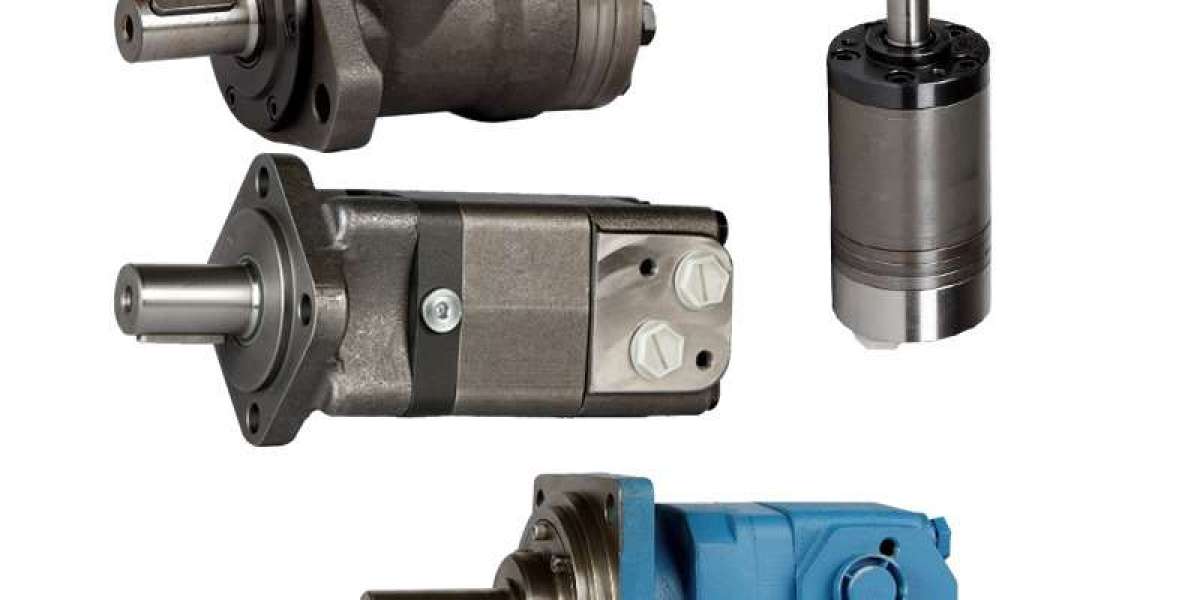
If servo hydraulics are the brain and nervous system of equipment, then the pump is its beating heart — and the servo motor hydraulic pump is one of the most transformative elements of modern setups.
Unlike fixed-speed hydraulic pumps that run constantly, a servo-driven pump adjusts its displacement based on real-time load conditions. That means lower energy waste and smoother operation. Machines run quieter, generate less heat, and experience reduced wear on internal components.
Precision manufacturing industries were among the first to adopt servo motor hydraulic pumps because small inaccuracies can mean thousands lost in scrap material. It didn’t take long before other industries noticed the advantage. Automotive production lines, aerospace facilities, plastic molding operations — and even mobile hydraulic equipment — now integrate servo-driven technology for consistency and efficiency.
Even though this technology is advanced, its purpose is simple: provide hydraulic pressure only when required, and only as much as needed.
Why the Load Sensing Approach Changed Everything
Earlier hydraulic systems relied heavily on fixed displacement pumps and regulators that stayed at full pressure whether the equipment needed it or not. It worked, but it wasn’t elegant. Imagine running a vehicle engine at maximum RPM while sitting still — that’s what older hydraulic systems essentially did.
Load sensing proportional technology turned that inefficient approach upside down.
With load sensing proportional valve adjustment, the system continuously monitors how much power is demanded at any moment and adjusts hydraulic flow accordingly. When torque demand increases, the valve communicates with the pump. When load drops, the system reduces power output.
This capability changed the way hydraulic equipment operates. Instead of brute force, machines now work with controlled intelligence. A crane hoisting a heavy object speeds up naturally when the load lightens. A manufacturing press slows down where accuracy is critical, then speeds up again when cycle time matters.
Before load sensing technology, precision like this required complex manual adjustments. Now, it happens automatically.
Why Companies Seek a Hydraulic Servo System Supplier Rather Than Just a Product
There’s a growing realization among industries: a hydraulic servo system is not just another component — it’s an integrated ecosystem. The pump, sensors, proportional valves, actuators, and programming must work together flawlessly.
This is why many businesses search for a hydraulic servo system supplier instead of simply purchasing parts individually. The design, tuning, and calibration are as important as the system itself. When everything functions as a unified platform, the result is a machine that delivers predictable performance for years.
A reputable supplier helps companies select the right valve type, the correct servo motor hydraulic pump rating, proper response control software, and an appropriate sensing system. The support doesn’t end with installation — it also includes training, system optimization, and long-term maintenance strategy.
Hydraulic systems used to be all about heavy iron and hoses. Today, they are hybrids of power and intelligence — and selecting a supplier with real understanding matters more than ever.
How Servo Hydraulics Support the Future of Automation
Automation isn’t just a trend — it’s the foundation of next-generation manufacturing and industrial systems. Robotics, advanced CNC machining, medical device production, warehouse automation — all rely on precise, fluid motion.
Electric systems often dominate the automation conversation, but hydraulics still outperform them in applications requiring immense force in tight spaces. That’s where the hydraulic servo system becomes the bridge between raw physical strength and programmable accuracy.
Servo-controlled hydraulics ensure that movement is synchronized with software commands. They enable smooth acceleration, controlled deceleration, consistent force output, and repeatable positioning. Whether you’re pressing composite aircraft materials or guiding a robotic lifting arm, the outcome is predictable, precise, and repeatable.
Real-World Scenarios Where These Systems Shine
Picture an injection molding machine producing complex parts where thickness tolerance is measured in microns — hydraulic servo control ensures every cycle remains consistent.
Now picture an automated forging press applying enormous pressure but stopping within fractions of a millimeter — load sensing proportional valve adjustment prevents material deformation and equipment stress.
Or imagine a mobile excavator lifting uneven weight on unstable ground — servo motor hydraulic pump control avoids jerky movement and improves fuel efficiency.
Where traditional hydraulics once dominated through power alone, servo technology now dominates through intelligence.
The Ongoing Evolution of Smart Hydraulics
Hydraulic technology is experiencing a renaissance. It isn’t fading — it’s transforming. The combination of control electronics, smart sensors, and servo algorithms continues to move hydraulics closer to the world of digital automation.
Future systems will likely include predictive diagnostics, machine learning optimization, and seamless integration into IoT-based infrastructure. What remains constant is the need for reliable force, and hydraulics are unmatched in that category.
Servo control, smart pumping, and intelligent flow management are simply the next logical step.
FAQs
What makes hydraulic servo systems different from traditional hydraulics?
They offer precise, responsive, and programmable control rather than relying solely on mechanical pressure.
Why are servo motor hydraulic pumps becoming so popular?
They improve efficiency by adjusting flow based on real-time system demand instead of running constantly at full power.
Is load sensing proportional adjustment necessary?
For systems requiring energy efficiency, precision, and smooth operation, load sensing is a major advantage.
Can older hydraulic equipment be upgraded to servo-based control?
Yes, many machines can be retrofitted with servo pumps, proportional valves, and control electronics.