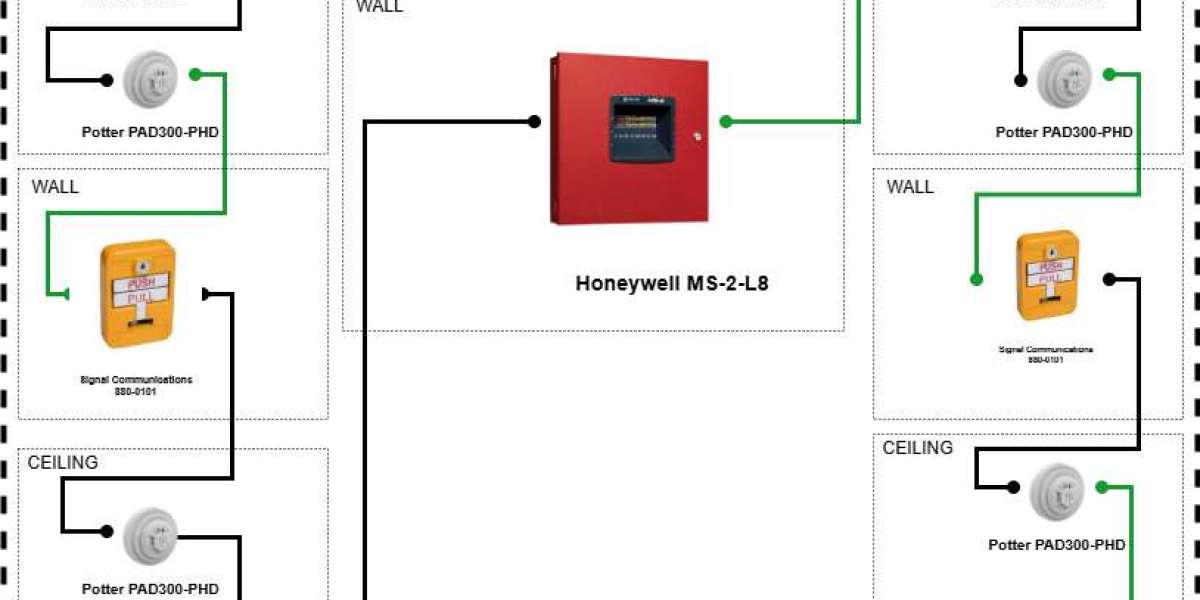

Fire alarm installation must comply with local, national, and international codes to ensure safety, reliability, and legal compliance. In 2025, understanding the latest regulations, including NFPA 72 and local building codes, is essential for both residential and commercial installations.
1. NFPA 72 Standards
NFPA 72 provides comprehensive guidelines for the design, installation, testing, and maintenance of fire alarm systems.
Covers requirements for system components, including detectors, control panels, notification appliances, and wiring.
Specifies placement rules for smoke, heat, and combination detectors in different building types.
Includes commissioning, testing, and maintenance protocols to ensure ongoing system reliability.
2. Local Fire Safety Codes
Each country or region may have specific fire safety regulations in addition to NFPA standards.
In India, compliance with the National Building Code (NBC) and local fire department regulations is required.
Codes define device placement, number of detectors per floor, manual call point locations, and alarm audibility levels.
3. Zoning and Coverage Requirements
Buildings must be divided into zones for effective detection and monitoring.
Each floor or section may require separate zones depending on occupancy and layout.
Proper zoning allows quick identification of the fire location and improves emergency response efficiency.
4. Power Supply and Backup Requirements
Fire alarm systems must have a reliable primary power source and backup batteries or emergency power.
Battery backup duration is typically specified to maintain operation during outages for a defined period.
Regular testing of backup power is mandated to ensure functionality during emergencies.
5. Device Placement Rules
Smoke detectors must be installed on ceilings or high on walls, away from air vents, fans, and high-humidity areas.
Heat detectors are recommended in kitchens, mechanical rooms, and areas prone to smoke or steam.
Manual call points should be placed near exits, stairwells, and high-traffic areas for accessibility.
Notification appliances must provide audible and visible signals throughout the building.
6. Wiring and Connectivity Standards
Wiring must comply with fire-rated cable standards to prevent failure during a fire.
For addressable systems, correct device addressing and loop integrity are required.
Wireless systems must ensure reliable signal strength, minimal interference, and network redundancy if needed.
7. Testing, Commissioning, and Documentation
Installation codes require functional testing of all devices, alarms, and control panels.
Commissioning should include simulated fire scenarios, alarm verification, and interconnectivity checks.
Documentation of all tests, wiring diagrams, device locations, and maintenance schedules is mandatory for compliance.
8. Accessibility and Maintenance Requirements
Devices must be installed for easy access for inspection, testing, and maintenance.
Maintenance schedules, battery replacements, and periodic inspections are required to maintain compliance.
Smart systems may require software updates and network checks to meet code standards.
9. Fire Safety Signage and Evacuation Planning
Proper signage, including exit signs and fire alarm instructions, is required by codes.
Building evacuation plans must be coordinated with fire alarm system zones for effective emergency response.
Occupants should be trained on responding to alarms, including evacuation procedures.
10. Legal and Insurance Implications
Non-compliance with fire alarm codes can lead to penalties, fines, or insurance claim denials.
Proper adherence to codes ensures legal protection and validates insurance coverage in the event of a fire.
Fire safety inspections may require certification that the installation meets all applicable codes.
Conclusion
Compliance with fire alarm installation codes in 2025 is essential for safety, legality, and reliability. Adhering to NFPA 72, local regulations, and building-specific requirements ensures proper device placement, zoning, wiring, testing, and maintenance. Following these guidelines protects occupants, minimizes risks, and maintains the integrity of the fire alarm system for years to come.
Read more: https://social.updum.com/read-blog/31805