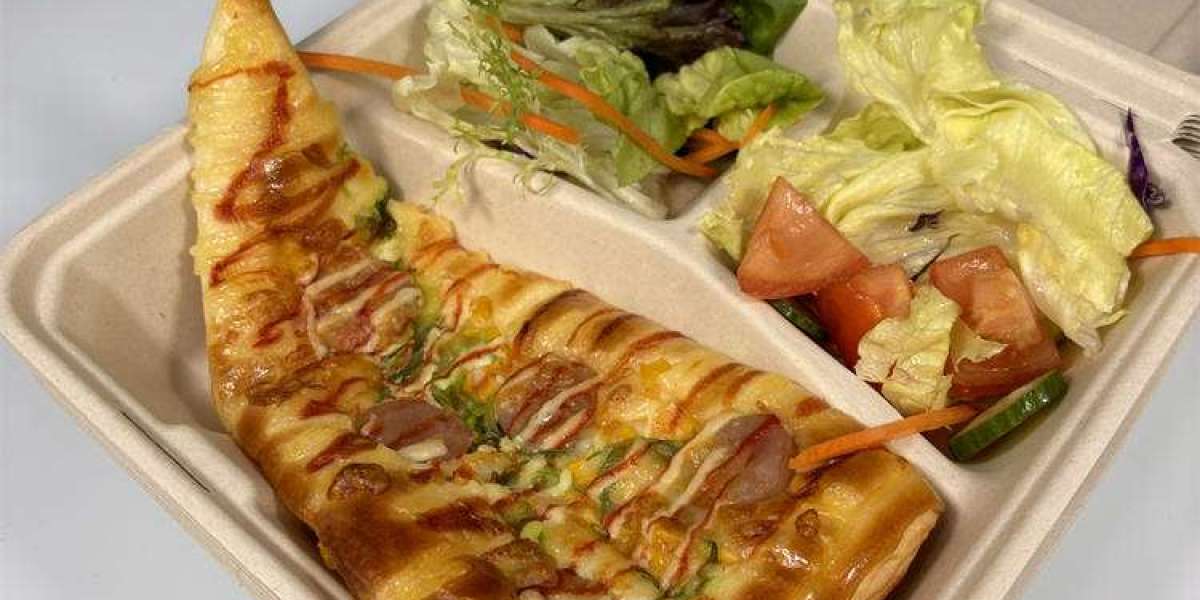

In recent years, the global food industry has undergone a major shift toward sustainable, eco-friendly, and responsible packaging solutions. Consumers are demanding greener alternatives, governments are tightening regulations on waste, and brands are stepping up to meet environmental goals. Among all the emerging innovations, one material stands out as a true game changer—molded fiber.
Strong, biodegradable, renewable, and visually appealing, molded fiber has become the preferred choice for companies seeking to reduce their environmental footprint without compromising on performance. Whether it’s fruits, vegetables, eggs, fast food, takeaway meals, or premium retail items, molded fiber packaging has become an essential solution for the modern world.
This in-depth blog explores why molded fiber is becoming the future of food packaging, how it is produced, its environmental advantages, and why more brands are replacing traditional packaging materials with innovative molded fiber solutions.
To help you understand how this next-generation material is shaping the industry, we’ll dive into its benefits, applications, market trends, and what makes it a powerful alternative for today’s eco-conscious consumers and businesses.
What Is Molded Fiber? A Modern Solution With a Natural Origin
Molded fiber—sometimes referred to as molded pulp—is produced from natural fibers such as wood pulp, recycled paper, sugarcane bagasse, bamboo fibers, and other plant-based materials. The result is a sustainable, biodegradable, and compostable packaging material that can take on a wide range of shapes, strengths, and designs.
Unlike plastic, molded fiber is created from renewable resources and breaks down naturally without releasing harmful chemicals into the environment. It is also lightweight, shock-resistant, and capable of insulating temperature, making it ideal for food and beverage packaging.
Companies looking for premium eco-friendly packaging options are increasingly turning to Molded Fiber For Food Packaging to meet consumer expectations and regulatory requirements.
How Molded Fiber Packaging Is Manufactured
The manufacturing process of molded fiber is both efficient and environmentally responsible. It typically includes four major steps:
1. Pulp Preparation
Recycled paper or plant fibers are mixed with water in large pulpers. The fibers are broken down into a slurry, which will later be molded into the desired shape.
2. Molding
The slurry is poured into specialized molds where vacuum suction removes excess water, helping the material take shape. This step allows manufacturers to create everything from bowls and trays to custom-designed food packaging containers.
3. Drying
The molded items are dried using heat, ensuring they become strong, rigid, and durable. This process removes any remaining moisture and prepares the packaging for final use.
4. Finishing
In the finishing stage, trimming, smoothing, printing, embossing, and quality checks are performed. Custom branding and designs can also be applied, making molded fiber suitable for high-end food brands and large retail operations.
This eco-friendly production process consumes fewer resources and emits far less carbon compared to plastic or foam packaging, making molded fiber one of the most sustainable solutions available today.
Why Molded Fiber Is Becoming the Future of Food Packaging
The rise of molded fiber is not accidental. Several key factors have contributed to its popularity and fast-growing adoption across global markets.
1. 100% Eco-Friendly & Biodegradable
Molded fiber is biodegradable and compostable, unlike plastic packaging that can remain in landfills for hundreds of years. Consumers want sustainable options, and molded fiber aligns perfectly with their expectations.
2. Made From Renewable Natural Resources
Traditional packaging materials like plastic are derived from petroleum, a non-renewable source. Molded fiber, however, comes from plant-based resources, making it an infinitely renewable and environmentally safe material.
3. Superior Strength & Durability
Many people assume that eco-friendly materials lack strength, but molded fiber is surprisingly durable. It provides excellent support for food products and can handle weight and pressure without breaking or deforming.
4. Excellent Insulation Properties
For hot meals, beverages, or temperature-sensitive foods, molded fiber offers natural insulation, making it ideal for restaurants, takeaways, and food delivery services.
5. Customizable & Branding-Friendly
Molded fiber can be formed into almost any shape or size. Companies can reinforce their branding with custom logos, patterns, colors, and product designs.
6. Cost-Effective for Large-Scale Production
As the demand for sustainable packaging grows, the production cost of molded fiber continues to decrease. Businesses benefit from cost-efficiency without compromising quality or environmental responsibility.
7. Safe for Direct Food Contact
Molded fiber contains no harmful chemicals, toxins, or microplastics, making it safe for food storage and direct contact. With increasing regulations against chemical-laden plastics, this natural material has become a preferred alternative.
Common Applications of Molded Fiber in the Food Industry
The versatility of molded fiber has made it a popular choice for a wide range of food packaging applications. Some of the most common uses include:
• Takeaway and Delivery Packaging
From bowls to trays and clamshell containers, molded fiber is widely used for takeaway meals, fast food packaging, and food delivery services.
• Fresh Produce Packaging
Fruits, vegetables, mushrooms, and berries are often stored in molded fiber trays that protect them during transportation and help maintain freshness.
• Egg Trays
Egg trays are one of the earliest and most widely recognized applications of molded fiber. Its shock-absorbing nature makes it ideal for fragile items.
• Meat and Seafood Containers
Leak-proof and sturdy molded fiber trays are becoming an eco-friendly replacement for polystyrene and plastic trays.
• Beverage Carriers
Coffee cup holders, drink carriers, and protective beverage packaging are frequently made from molded fiber.
• Restaurant Tableware
Bowls, plates, cups, cutlery, and serving dishes made from molded fiber are quickly replacing single-use plastics.
Environmental Benefits: Why Molded Fiber Beats Plastic
The shift toward molded fiber packaging is deeply connected to the growing desire for sustainable alternatives. Several environmental advantages set molded fiber apart from traditional materials.
1. Reduces Plastic Waste
Millions of tons of plastic waste end up in oceans and landfills each year. Molded fiber breaks down naturally, helping reduce pollution.
2. Lower Carbon Footprint
The production of molded fiber consumes less energy and generates fewer greenhouse gas emissions than plastics or polystyrene.
3. Supports Recycling & Circular Economy
Molded fiber itself is recyclable and can be produced using recycled materials, making it perfect for circular economy models.
4. Non-Toxic & Chemical-Free
No harmful additives or dangerous chemicals are required in the molding process, ensuring safety for both humans and the environment.
5. Compostable in Natural Conditions
Unlike biodegradable plastics that require industrial facilities, molded fiber can decompose naturally in home compost bins or soil.
Growing Global Demand for Sustainable Packaging
As sustainability becomes a priority for consumers and businesses, industries worldwide are shifting away from harmful materials and embracing eco-friendly alternatives like molded fiber. Key drivers include:
• Government Regulations
Countries have banned or restricted single-use plastics, creating demand for natural packaging alternatives.
• Consumer Awareness
Eco-conscious shoppers prefer brands that prioritize sustainability and ethical responsibility.
• Corporate Sustainability Goals
Companies are adopting greener packaging solutions to meet internal environmental targets and strengthen brand image.
• Growth in E-commerce & Food Delivery
The boom in online shopping and takeaway food services has amplified the need for strong, lightweight, sustainable packaging.
This rising demand continues to push molded fiber into the global spotlight as a reliable and environmentally friendly material.
Why Businesses Are Switching to Molded Fiber Packaging
Companies in the food and beverage sector choose molded fiber because it provides a perfect balance of sustainability, performance, and cost-efficiency. Some major reasons businesses are making the switch include:
• Meeting Environmental Regulations
Brands must comply with eco-packaging rules in the U.S., Canada, Europe, and Asia. Molded fiber easily meets these requirements.
• Enhancing Brand Reputation
Using eco-friendly materials shows customers that a company cares about the environment and future generations.
• Reducing Waste Management Costs
Because molded fiber is biodegradable, businesses may reduce waste disposal expenses.
• Improving Customer Satisfaction
Consumers associate sustainable packaging with higher quality, boosting trust and loyalty.
• Versatility Across Industries
From food to electronics to cosmetics, molded fiber is suitable for countless packaging applications.
Why Choose Premium Molded Fiber Packaging Solutions?
Not all fiber packaging is created equal. High-quality molded fiber solutions ensure durability, safety, and superior performance. For businesses seeking reliable and environmentally responsible packaging, solutions offered by Molded Fiber For Food Packaging stand out due to their innovation, quality, and sustainability focus.
Superior manufacturing standards, eco-friendly materials, and modern design capabilities enable companies to provide packaging that not only protects food but also strengthens brand identity.
Final Thoughts: Molded Fiber Is the Future of Food Packaging
As the global demand for sustainable and eco-friendly alternatives continues to rise, molded fiber has proven itself to be one of the most important innovations in modern food packaging. It offers a powerful combination of environmental responsibility, strength, versatility, and cost-efficiency.
Businesses that adopt molded fiber today are not just following a trend—they are preparing for a future where sustainability is the foundation of all packaging decisions.
Molded fiber packaging is more than a material; it is a commitment to the planet, customers, and a cleaner future. And as industries continue to evolve, molded fiber will remain at the forefront of innovation, shaping a greener and more sustainable world.