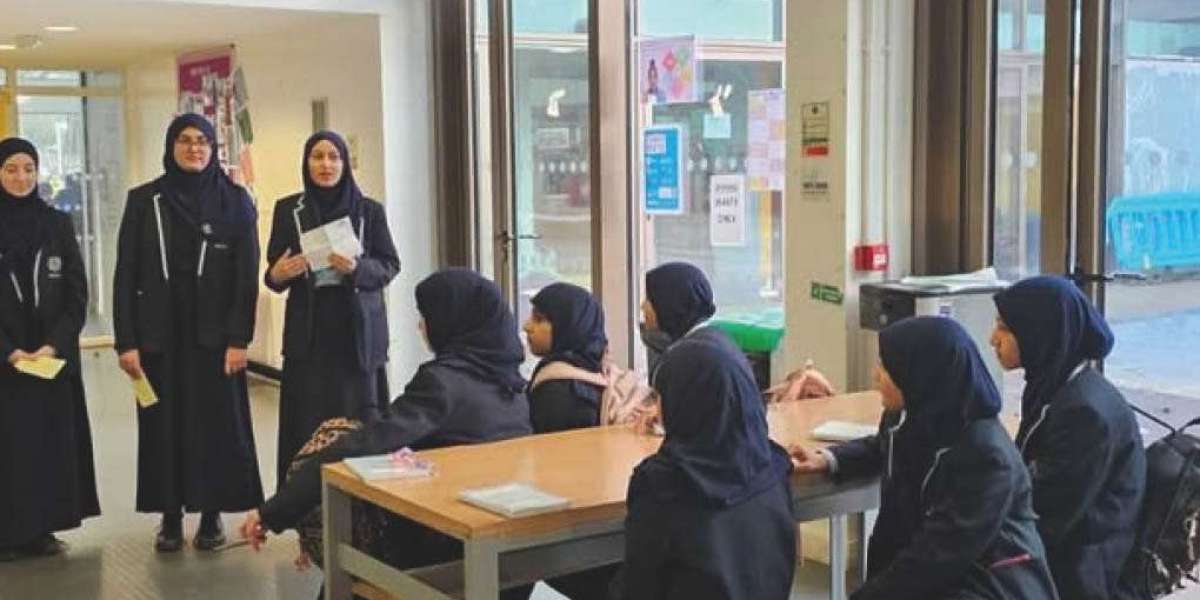
In today’s diverse and rapidly changing world, the need for quality education rooted in strong moral values is more important than ever. Islamic Schools in the UK have emerged as an essential part of the educational landscape, offering families a blend of academic excellence, faith-based learning, and character development. These schools are designed not only to help children achieve academically but also to provide a holistic environment where Islamic principles guide daily life.
What Makes Islamic Schools in the UK Unique?
Islamic schools across the United Kingdom are known for their balanced approach to modern education. They follow the national curriculum while incorporating Islamic values, teachings of the Qur’an, Arabic studies, and moral development.
1. Academic Excellence with Faith-Based Teaching
Islamic schools consistently focus on high-quality education. Many institutions achieve outstanding results in core subjects, preparing students for GCSEs, A-Levels, and higher education. At the same time, they provide robust Islamic studies, ensuring students develop a firm understanding of their faith.
2. Safe and Supportive Learning Environment
A key strength of Islamic schools is the safe and inclusive learning environment they create. Respect, kindness, and discipline are important values woven into classroom life. Students feel comfortable expressing their identity while being encouraged to embrace diversity and respect others.
3. Strong Moral and Character Development
Islamic schools emphasise character-building as much as academics. Students learn values such as honesty, empathy, responsibility, and community service. This moral framework prepares them to become responsible citizens and compassionate leaders.
4. Dedicated Teachers and Community Engagement
Teachers and staff in Islamic schools often have a personal commitment to the ethos of the school. They support students not only academically but also spiritually and emotionally. Schools also maintain strong relationships with parents, ensuring a collaborative approach to education.
5. Holistic Development Through Islamic Principles
Islamic teachings help shape the daily routine — starting with morning duʿa, regular prayers, recitation, and Islamic etiquette. This consistent practice helps build discipline while nurturing strong spiritual growth. Alongside academics, students participate in extracurricular activities such as sports, debates, charity events, and Qur’an competitions.
Why Parents Choose Islamic Schools in the UK
Parents choose Islamic schools because they value an environment that aligns with their religious beliefs and provides children with a strong identity. The integrated approach ensures that students thrive academically while remaining grounded in their faith.
Furthermore, Islamic schools help young people develop confidence in who they are. They leave with both educational qualifications and a strong moral foundation, making them well-prepared for life in the modern world.
Challenges and Growing Opportunities
Like any educational institution, Islamic schools face challenges such as funding limitations, regulatory expectations, and maintaining balance between religious and secular studies. However, growing demand and community support have led to improvement in facilities, teacher training, and curriculum development.
The rise of Islamic schools across the UK shows that families value institutions that offer both academic success and Islamic values. These schools continue to evolve, contributing positively to society by nurturing well-rounded individuals with strong character.
✨ Conclusion
Islamic Schools in the UK represent a harmonious blend of education, faith, and personal growth. They provide a nurturing environment where students can excel academically while developing strong moral and spiritual foundations. By shaping confident, responsible, and compassionate individuals, Islamic schools contribute significantly to the wellbeing of both the Muslim community and the wider society.
For parents seeking a supportive and values-driven educational experience for their children, Islamic schools across the UK stand as a trusted choice — one that prepares young minds for both worldly success and spiritual fulfilment.