

Unlock the Secret: How to Get Your Breastfed Baby to Embrace the Bottle!
As a parent of a breastfed baby, you may have encountered the frustrating challenge of getting your little one to accept a bottle. This common issue can create stress for both you and your baby, especially when you need to be away for work or other commitments. Finding a solution is essential not only for your convenience but also for ensuring your baby receives the necessary nutrition when you can't be there to breastfeed. In this article, we will explore the reasons behind a breastfed baby's refusal of the bottle and provide actionable tips and strategies to help ease the transition. Whether you're a new parent or have faced this hurdle before, you will gain valuable insights to make this process smoother for your family.
Understanding the Resistance
The refusal of the bottle by breastfed babies can be attributed to several factors. One of the primary reasons is breast preference; babies often develop a strong attachment to breastfeeding due to the warmth, comfort, and closeness it provides. Additionally, some babies may have sensory issues that make them sensitive to the feel and taste of a bottle nipple, leading to reluctance. Parental anxiety can also play a role—if parents are stressed about the transition, their babies may pick up on that tension, making the experience more daunting. Understanding these emotional and sensory aspects is crucial in addressing your baby's resistance to the bottle. The journey might be challenging, but recognizing these factors can help you approach the situation with compassion and patience.
Choosing the Right Bottle and Nipple
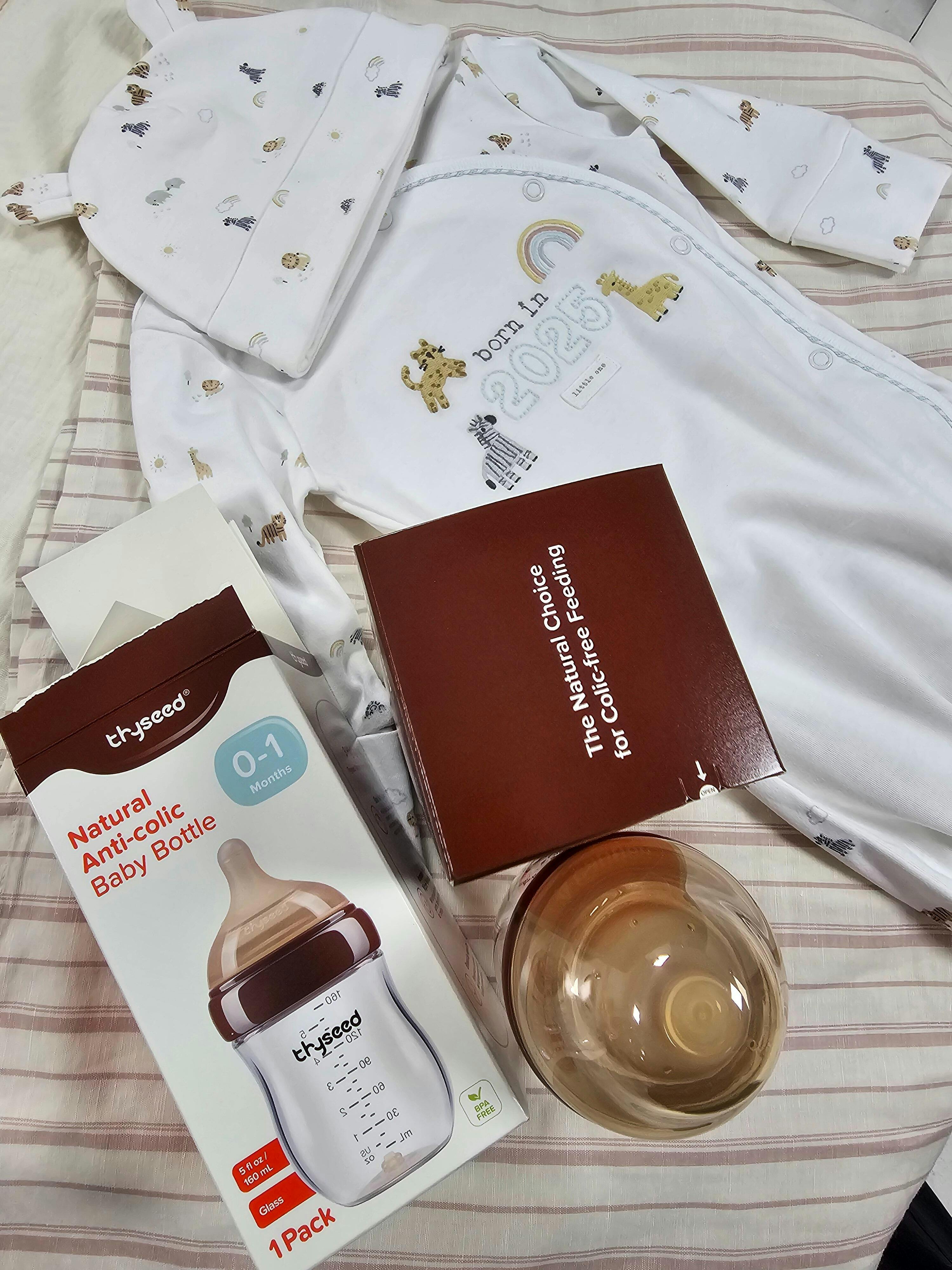
Selecting an appropriate bottle and nipple for your breastfed baby can significantly ease the transition. Additionally, choosing a bottle that closely resembles the breast allows babies to feel more comfortable. Consider experimenting with various designs, as different babies may prefer different shapes or flow rates. Look for bottles that have soft, squeezable nipples that mimic the natural feel of breastfeeding. Remember, the right choice can make a significant difference.
Techniques to Introduce the Bottle
Introducing a bottle to your breastfed baby can be a gradual process. It’s crucial to choose a time when your baby is calm and not too hungry. Explore different techniques for bottle-feeding, such as allowing the baby to hold the bottle, or having another caregiver offer the bottle to minimize any stress associated with the experience. Be patient; reactions may vary, and it may take a few tries before the baby embraces the bottle fully.
Involving Other Caregivers
Involving other caregivers in the bottle-feeding process can be a game-changer. If a baby associates the bottle with you, they may be resistant. Allowing a partner, grandparent, or other caregiver to offer the bottle can provide a positive experience that helps ease the transition. Familiarity and comfort can significantly improve your baby’s willingness to accept the bottle.
Creating a Positive Feeding Environment
Creating a positive feeding environment is essential for easing your baby into bottle-feeding. Ensure the atmosphere is calm and free from distractions. Bright lights and loud noises can be overwhelming; instead, try lighting candles, playing soft music, or using dim lighting. Find a comfortable position for both you and your baby to help facilitate a more relaxed feeding experience.
Strategies for Successful Bottle Feeding
Successful bottle feeding requires adaptability and patience. It’s essential to understand that every baby is unique, and the transition may take time. Stay positive and trust your instincts; the right approach can make a significant difference. Remember to celebrate small victories as your baby becomes more comfortable with the bottle, making the entire process enjoyable for both you and your baby.