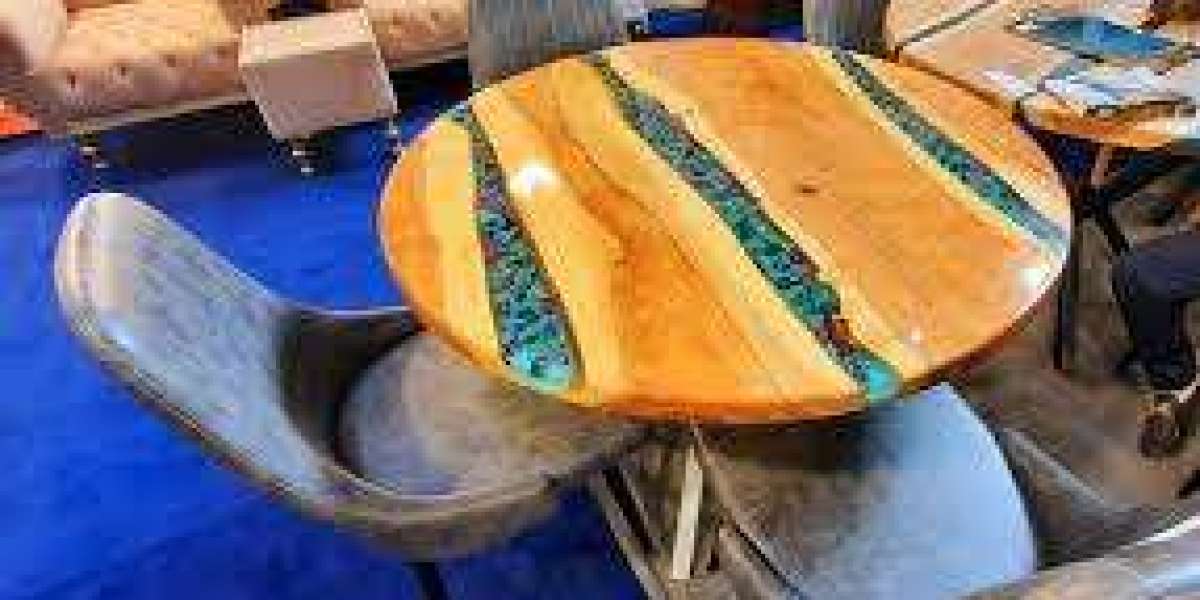

There’s something quietly powerful about a Round table. Even before you think about design details, the shape itself changes how a room feels and how people behave inside it. A round table softens a space, removes hard corners, and invites people to lean in, talk longer, and feel included. That’s why round tables have been loved for centuries in homes, cafés, and meeting rooms alike. Whether you’re choosing a dining table, a kitchen nook centerpiece, a game table, or a collaborative workspace, the round form offers practical benefits and an emotional warmth that rectangular tables sometimes struggle to match.
One of the biggest reasons people choose a round table is how naturally it supports conversation. With no “head” of the table, everyone sits on equal footing. No seat feels more important than another, and no one is stuck on the far end feeling disconnected. This is especially noticeable during family meals or gatherings with friends. The circle keeps people within a comfortable speaking distance, so you don’t have to raise your voice or crane your neck to join in. You can make eye contact with everyone easily, and the flow of conversation feels more relaxed. For households that value togetherness or for hosts who love intimate dinners, a round table is almost like a built-in social upgrade.
Round tables also have a unique advantage in smaller spaces. If you’ve ever tried to fit a rectangular table into a tight dining area, you know the frustration: sharp corners jut into walkways, chairs snag on walls, and the room feels boxed in. A round table removes those pinch points. Because there are no corners, people can move around it more smoothly, and the room stays visually open. Even at the same seating capacity, a round table can feel less bulky than a rectangle because the edges curve inward instead of occupying those extra corner footprints. In apartments, breakfast nooks, or open-plan layouts where the dining area shares space with another zone, that gentle footprint can make daily life feel less cramped.
Comfort at the table is another underrated perk. On a rectangular table, some seats feel better than others. Corner seats are awkward. End seats can feel isolated. With a round table, every seat is a “good seat.” People have similar elbow room, and no one feels squeezed into a weird corner lane. This is especially helpful for families with kids, because seating doesn’t have to be so rigid. A child can slide into a spot wherever there’s space. You can pull up an extra chair without throwing the whole layout off. It’s flexible in a way that suits real life.
The shape also has a design effect that’s hard to ignore. A round table naturally breaks up straight lines in a room. Most interiors are full of rectangles: walls, windows, rugs, cabinets, even your TV. Adding a circle creates balance. It feels softer and more organic, and it can make a room look more thoughtful without adding clutter. If your home leans modern, a clean round top can look sleek and sculptural. If your style is rustic or farmhouse, a chunky round wood table feels cozy and grounded. If you love minimalism, a round table keeps the space light and intentional. The circle simply plays well with almost any aesthetic because it’s both classic and calming.
People often worry about seating capacity: “Will a round table fit enough people?” The answer is yes, as long as you size it properly. Round tables are surprisingly efficient because they let chairs flow around the edge without wasted corner space. A small 36–42 inch round table seats four comfortably. A 48-inch can seat four to six depending on chair width. A 54–60 inch can seat six easily. Larger rounds can seat eight, especially with a pedestal base that removes corner leg interference. The key is giving each person enough arc space. A good rule is around 24–30 inches of edge per person for comfortable dining. If you love hosting and want room for bigger gatherings, you can also choose an extendable round option. Some round tables open into an oval with a leaf inserted in the center, giving you the everyday intimacy of a circle plus extra space for special occasions.
Base style matters more for round tables than many people realize. Because the table’s shape is centered, the base becomes the real anchor. A four-leg base can work well, especially on smaller rounds, but legs can limit chair placement if they sit too close to the edge. Pedestal bases are often the best match for round tables because they open up seating. With a pedestal, people can sit anywhere around the circle without bumping knees. It’s practical, and it also gives the table a clean, elegant silhouette. Trestle-style bases can also be beautiful for larger rounds, offering visual weight and excellent stability while keeping chair access relatively flexible.
Material choice shapes both durability and personality. A solid wood round table is the classic favorite for a reason. Wood offers warmth, strength, and longevity. It handles daily wear—plates sliding, cups clinking, kids doing crafts—and it ages beautifully over time. Real hardwood can be refinished if life leaves marks, which makes it a long-term investment rather than a temporary piece. Different woods change the vibe: oak is tough and timeless, walnut is rich and refined, maple is bright and clean, and reclaimed woods bring character that looks lived-in from day one. If you want something that feels welcoming and lasts for decades, a solid wood round table is hard to beat.
That said, other materials can shine too. Glass round tables can look airy and modern, especially in small rooms where you want to keep things visually light. They reflect light and feel almost invisible, helping spaces breathe. The tradeoff is fingerprints and a more formal feel. Marble or stone-topped round tables offer luxury and drama, perfect for statement dining rooms, but they’re heavier and need a bit more care. Mixed materials—like a wood top with a metal pedestal—create a modern industrial look and can be very durable. Your best choice comes down to the atmosphere you want and how much everyday maintenance you’re comfortable with.
Functionally, round tables are great for more than dining. They work beautifully as game tables because everyone sees the center equally and can reach the action without leaning across awkwardly. In home offices or creative studios, round tables encourage collaboration. People can spread projects out and still feel connected. In meeting rooms, round tables reduce hierarchy and invite participation—great for teams that value open discussion. Even in entryways, a small round table can serve as a welcoming drop zone that doesn’t block the space. The circle adapts to many roles while always holding onto its “inviting” energy.
If you’re shopping for a round table, think through your room and routines first. Measure your space with chairs in mind, not just the tabletop. Make sure you have comfortable clearance for walking—at least 36 inches around the table if possible. Consider how often you host and how many people you typically seat. Think about whether you need an extendable option. And choose chair styles that complement the curve. Rounded-back chairs or armless chairs often pair best because they echo the soft geometry and allow smooth movement around the edge.
Ultimately, a round table is less about trend and more about human comfort. It’s a shape that makes people feel included. It works in tight spaces without feeling tight. It adds softness and balance to rooms dominated by straight lines. It gives every seat equal importance, which quietly changes the emotional tone of meals and meetings. If you want a table that supports connection, flexibility, and timeless style, a round table isn’t just a good option—it’s one of the smartest, warmest choices you can bring into your home.


