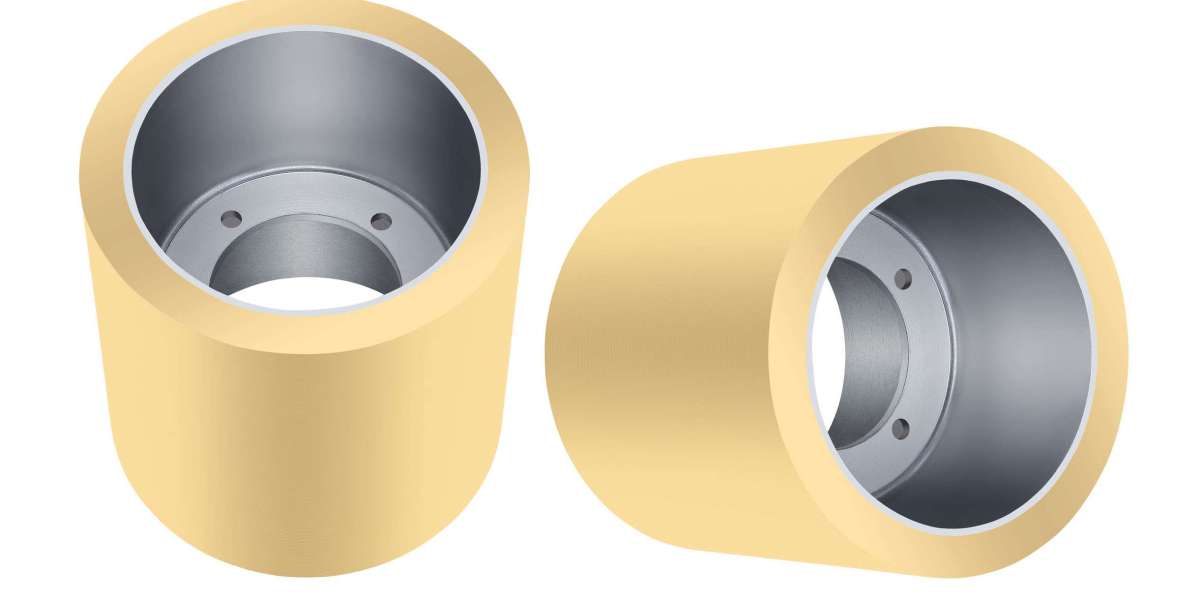

In the rice milling industry, efficiency and grain quality depend heavily on the right machinery and essential parts. Among these, Rice Rubber Rollers play one of the most crucial roles. Whether you run a small rice mill or a large-scale processing plant, high-quality rice rubber rollers ensure smooth de-husking, minimal breakage, and excellent output. In this blog, we dive deep into what rice rubber rollers are, how they work, their benefits, types, manufacturing process, and how to choose the best one for your mill.
What is a Rice Rubber Roller?
A Rice Rubber Roller is a cylindrical component used in paddy husking machines to remove the husk from rice grains. It is primarily made of high-quality rubber compound mixed with chemicals, fillers, and other strengthening materials. These rollers work in pairs—one rotating at a higher speed and the other at a lower speed—creating pressure and friction to separate the husk from the grain.
The quality of the rice roller directly affects:
Husking percentage
Rice breakage level
Production capacity
Electricity consumption
Overall milling efficiency
This makes the rice rubber roller a key component in the rice milling process.
How Does a Rice Rubber Roller Work?
The working mechanism of the Rice Rubber Roller is based on differential speed and frictional force. Here’s how it functions:
Paddy Feeding
The paddy enters the roller husker through the hopper.Pressure Application
Two rice rubber rollers rotate toward each other.One roller spins faster
The other spins slightly slower
Husking Action
Due to the difference in speed and pressure between the rollers, the husk gets separated from the paddy without damaging the grain.Separation
After husking, the grain-husk mixture passes to aspirators and separators where husk is removed, leaving clean brown rice.
This smooth and efficient husking mechanism is possible only when the rubber rollers are of premium quality and correctly installed.
Benefits of Using High-Quality Rice Rubber Rollers
Using the right rice rubber roller brings multiple advantages to your milling process:
1. Higher Husking Efficiency
Good quality rollers ensure better friction, resulting in 90%+ husking in a single pass.
2. Reduced Rice Breakage
The softer yet durable rubber helps maintain grain integrity, minimizing breakage.
3. Longer Service Life
High-grade rubber compounds and heat-resistant properties extend the roller lifespan, reducing frequent replacements.
4. Consistent Milling Quality
Quality rollers produce uniform output, ensuring consistent brown rice and improved whiteness in later stages.
5. Lower Operating Costs
Efficient rollers reduce wastage, electricity usage, and machine downtime, improving overall profitability.
6. Smooth Machine Operation
Vibration-free, heat-resistant rollers ensure stable machine performance.
Different Types of Rice Rubber Rollers
Depending on milling needs and machine type, several varieties of rice rubber rollers are available:
1. Standard Rice Rubber Roller
Commonly used in most mills; ideal for medium-scale operations.
2. NBR (Nitrile Butadiene Rubber) Rollers
Highly durable, heat-resistant, oil-resistant, and offer longer service life.
3. PU (Polyurethane) Rollers
Known for extremely high wear resistance; great for heavy-duty mills.
4. Whitener and Husker Rollers
Designed specifically for polishing and whitening stages.
5. Special Coated Rollers
Made with advanced chemical compounds for extra-long life and performance.
Each type caters to different husking speeds, grain varieties, and production capacities.
How Rice Rubber Rollers Are Manufactured
Manufacturing rice rubber rollers requires advanced machinery and strict quality control. Below is a simplified overview:
1. Raw Material Preparation
High-grade rubber, fillers, anti-aging agents, plasticizers, and bonding materials are mixed.
2. Compounding
The rubber mixture is thoroughly blended in a mixing mill or internal mixer.
3. Moulding
The mixed compound is poured into molds that give the roller its shape.
4. Vulcanization
Heat and pressure are applied to strengthen the rubber compound and improve durability.
5. Finishing & Quality Testing
The roller is cleaned, polished, and tested for:
Hardness
Tensile strength
Wear resistance
Dimension accuracy
Only rollers that pass all tests are dispatched for industrial use.
Why Rice Rubber Rollers Wear Out?
Even the best rollers wear out due to constant friction and pressure. Common causes include:
Using low-quality rubber
Improper installation
High temperature in husking chamber
Incorrect roller pressure
Husking wet or unclean paddy
Running rollers at very high speed
Timely maintenance and choosing the right roller can significantly reduce wear and tear.
Tips to Increase the Life of Rice Rubber Rollers
To maximize roller performance and life:
Maintain correct roller pressure
Keep roller chamber clean
Use properly dried paddy
Maintain correct speed ratio
Avoid overloading the husker
Store rollers in cool, dry conditions
Replace rollers in pairs for uniform husking
Following these steps boosts milling efficiency and reduces roller consumption.
How to Choose the Best Rice Rubber Roller
Selecting the right roller can transform your milling output. Consider the following points:
1. Roller Material
Choose high-quality NBR, PU, or advanced rubber compound rollers for durability and heat resistance.
2. Size & Compatibility
Roller size must suit your husker machine—commonly 6", 8", 10", or 12" sizes.
3. Shore Hardness
Ideal hardness ensures perfect grip and controlled friction without damaging the rice.
4. Temperature Resistance
A good roller should withstand high temperatures during continuous milling.
5. Manufacturer Reputation
Prefer trusted manufacturers who follow strict quality control.
6. Performance Guarantee
Check husking percentage, breakage control, and roller life claimed by the manufacturer.
Conclusion
A Rice Rubber Roller is an essential part of the rice milling process, directly affecting the rice quality, husking efficiency, and overall production cost. Choosing a high-quality roller not only improves output but also ensures long-term savings and superior milling performance. With a wide range of materials, sizes, and designs available, selecting the right roller requires understanding your machine needs, grain type, and production volume.
Whether you operate a small mill or a large industrial setup, investing in the best rice rubber rollers is the key to achieving excellent husking results and maximizing profitability.