
Step-by-Step Guide: How to Operate a Plasma Cutting Machine Safely
Operating a Plasma Cutting Machine can seem intimidating for beginners, but with proper knowledge and safety precautions, it becomes a highly efficient and precise tool for cutting metals. Plasma cutting machines are widely used in industries such as manufacturing, automotive repair, construction, and metal fabrication because they provide clean, fast cuts with minimal heat-affected zones. However, these machines involve high temperatures, electrical components, and compressed gas, which makes understanding safety and operational procedures essential.
This comprehensive guide will walk you through every step to safely operate a plasma cutting machine, from preparation to post-operation care.
1. Understanding the Plasma Cutting Machine
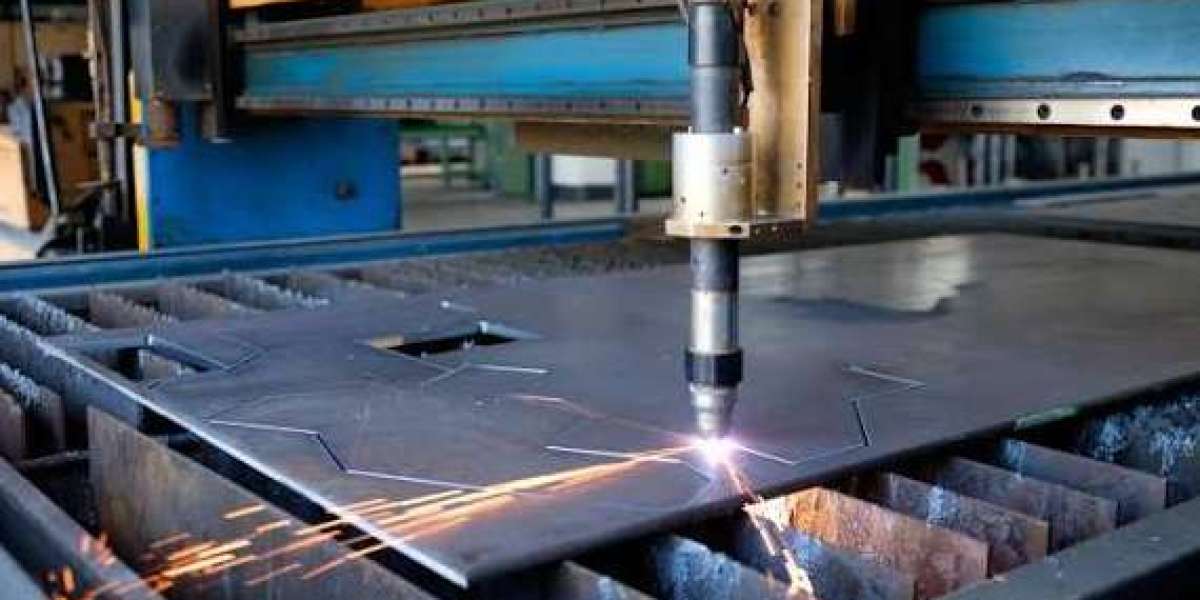
Before attempting to use a plasma cutting machine, it’s crucial to understand how it works. Plasma cutting involves the use of electrically ionized gas, or plasma, to cut through conductive metals such as steel, aluminum, and copper. The plasma stream reaches extremely high temperatures, melting the metal while blowing away molten material with compressed gas.
Key components of a typical plasma cutting machine include:
Power supply: Converts electricity into the necessary voltage and current for the plasma arc.
Torch: The hand-held device that directs the plasma stream onto the workpiece.
Ground clamp: Ensures a safe electrical connection between the machine and the metal being cut.
Air or gas supply: Ionized gas (air, nitrogen, or oxygen) that creates the plasma arc.
Control panel: Allows the operator to adjust current, gas flow, and cutting speed.
Understanding each component and its function is the first step in operating a plasma cutting machine safely.
2. Essential Safety Precautions
Plasma cutting machines are powerful tools, and improper use can result in severe injuries or equipment damage. Safety should always be the priority. Key precautions include:
Personal Protective Equipment (PPE): Wear flame-resistant clothing, heavy-duty gloves, safety goggles, or a full-face shield with a shade rated for plasma cutting. Ear protection is also recommended due to the noise.
Ventilation: Plasma cutting produces fumes that can be harmful if inhaled. Work in a well-ventilated area or use fume extraction systems.
Fire safety: Keep flammable materials away from the cutting area. Always have a fire extinguisher nearby.
Electrical safety: Ensure all equipment is properly grounded, and inspect cables for damage before operation.
Work area organization: Clear the work area of unnecessary clutter to avoid accidents or tripping hazards.
Neglecting safety protocols is the most common cause of accidents with plasma cutting machines, so always take time to prepare.
3. Preparing the Plasma Cutting Machine
Before powering on the plasma cutting machine, proper setup is crucial:
Inspect the equipment: Check the torch, power cords, and gas hoses for wear, damage, or leaks.
Secure the workpiece: Ensure the metal is firmly clamped to prevent movement during cutting.
Set up the ground clamp: Attach the clamp to a clean, bare metal surface to maintain proper electrical grounding.
Select the correct gas and pressure: Different metals require specific gases and pressures. Air is commonly used, but nitrogen and oxygen may be required for thicker metals.
Adjust machine settings: Set the amperage and cutting speed according to the metal thickness. Refer to the machine’s manual for recommended settings.
Proper preparation minimizes the risk of poor cuts, damage to the equipment, and accidents.
4. Step-by-Step Cutting Procedure
Once the plasma cutting machine is prepared, follow these steps for safe operation:
Step 1: Turn on the Machine
Power on the plasma cutting machine and allow it to stabilize. Confirm that the gas supply is flowing and the pressure is within the recommended range.
Step 2: Mark the Cut
Use a permanent marker or scribe to outline where you want to cut. A clear, visible guide will help maintain precision.
Step 3: Position the Torch
Hold the torch perpendicular to the workpiece, keeping a short distance between the nozzle and metal. Maintain a steady hand to avoid jagged edges.
Step 4: Initiate the Arc
Trigger the torch to create the plasma arc. Start slightly outside the cut line and move smoothly along the marked path. Do not stop abruptly, as this may cause splatter.
Step 5: Maintain a Steady Motion
Move the torch at a consistent speed to produce clean, smooth cuts. Adjust your speed according to the thickness of the metal: slower for thick metal, faster for thin sheets.
Step 6: Complete the Cut
Once the cut is finished, release the torch trigger and allow the metal to cool slightly before handling. Avoid touching the cut area immediately, as it remains extremely hot.
5. Post-Operation Safety and Maintenance
Proper maintenance prolongs the life of your plasma cutting machine and ensures safety:
Turn off and disconnect: Switch off the machine, close the gas supply, and unplug the power source.
Inspect consumables: Check the nozzle and electrode for wear and replace if needed. Worn consumables reduce cutting quality.
Clean the torch: Remove slag and debris from the torch nozzle and tip.
Check hoses and cables: Inspect for cracks, leaks, or damage. Replace any faulty parts before the next use.
Store properly: Keep the machine in a dry, safe area to prevent damage and corrosion.
Regular maintenance not only ensures optimal performance but also reduces the risk of accidents.
6. Tips for Efficient Plasma Cutting
While safety is paramount, efficiency can also be improved with practice:
Practice on scrap metal: Before cutting your final workpiece, practice on scrap to perfect your speed, angle, and arc control.
Use clamps and guides: Metal clamps and straightedge guides improve cutting precision.
Adjust height and speed: Maintaining the correct torch-to-metal distance and speed prevents rough edges and excessive heat build-up.
Stay focused: Avoid distractions during cutting; even small lapses in attention can cause errors or injuries.
With experience, using a plasma cutting machine becomes both intuitive and precise.
7. Common Mistakes to Avoid
Even experienced operators can make errors. Common mistakes include:
Skipping PPE: Not wearing proper protective gear increases the risk of burns and eye damage.
Incorrect grounding: Poor grounding can result in arc instability or electric shock.
Cutting without ventilation: Fumes from certain metals can be toxic.
Excessive torch distance: Holding the torch too far reduces cut quality and may damage the nozzle.
Ignoring consumable wear: Using worn electrodes or nozzles reduces efficiency and produces poor cuts.
Avoiding these mistakes ensures safety and professional-quality results.
Conclusion
Operating a plasma cutting machine safely requires a thorough understanding of the machine, careful preparation, proper protective equipment, and consistent attention to detail. By following this step-by-step guide, operators can minimize risks, achieve precise cuts, and extend the life of their equipment. Whether you are a hobbyist or a professional metalworker, adopting these safety and operational practices will make plasma cutting a safe, efficient, and rewarding process.