
SMD LED Strip vs Traditional LED Lighting: Key Differences
Lighting has evolved dramatically over the past few decades. What once relied on bulky incandescent bulbs and power-hungry fluorescent tubes has now shifted toward compact, energy-efficient LED solutions. Among these, SMD LED Strip lighting has emerged as a modern favorite, especially for decorative, architectural, and functional applications. At the same time, traditional LED lighting—such as LED bulbs, panels, and tubes—continues to dominate general illumination.
Understanding the key differences between SMD LED Strip lighting and traditional LED lighting is essential for homeowners, designers, electricians, and business owners who want to make informed lighting decisions. This article provides a comprehensive, human-written comparison that explores design, performance, efficiency, installation, flexibility, cost, durability, and real-world use cases.
Understanding SMD LED Strip Lighting
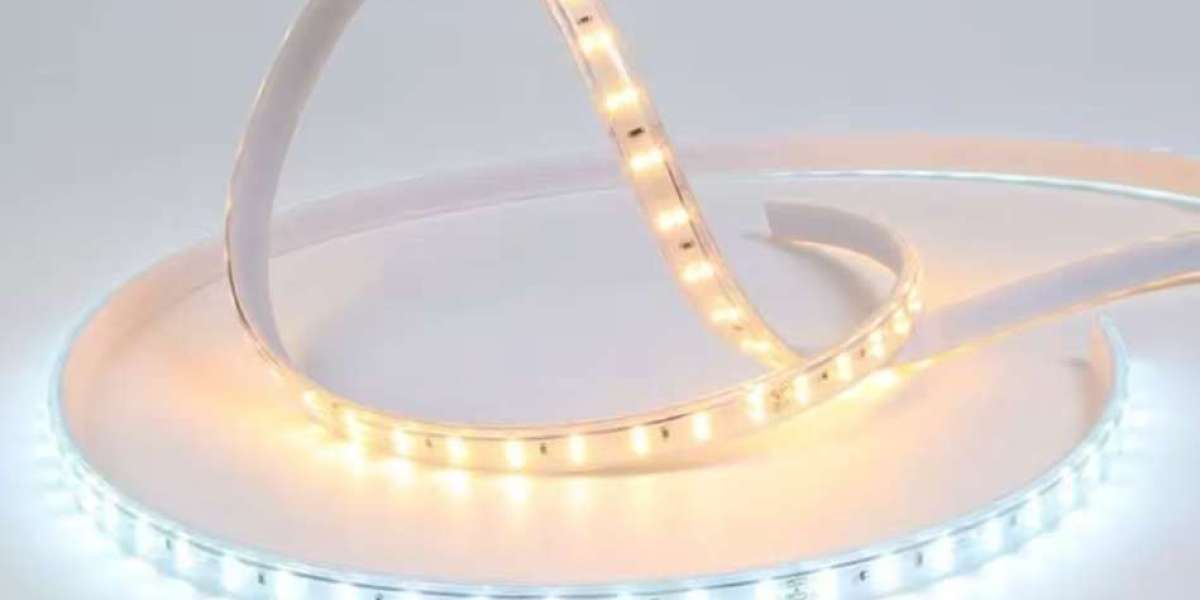
Before comparing the two, it is important to understand what an SMD LED Strip actually is. SMD stands for Surface Mounted Device. In simple terms, it means that tiny LED chips are mounted directly onto a flexible circuit board. These boards are arranged in long, thin strips that can be cut, bent, and installed in places where traditional lighting fixtures cannot fit.
An SMD LED Strip typically comes with adhesive backing, allowing it to be mounted on walls, ceilings, cabinets, furniture, staircases, or architectural edges. The strip can be powered by low-voltage drivers and is available in various color temperatures, brightness levels, and color-changing options.
What Is Traditional LED Lighting?
Traditional LED lighting refers to standalone LED products designed to replace older lighting technologies. This category includes LED bulbs, LED tubes, LED panels, and LED downlights. These fixtures are usually rigid, self-contained units that fit into standard sockets or housings.
Traditional LED lighting is primarily used for general illumination—lighting up rooms, offices, warehouses, and outdoor spaces with consistent and uniform brightness. Unlike an SMD LED Strip, traditional LED fixtures are not designed to bend or conform to shapes.
Design and Form Factor Differences
One of the most noticeable differences between SMD LED Strip lighting and traditional LED lighting lies in their physical design.
SMD LED Strip Design
An SMD LED Strip is slim, flexible, and lightweight. It can be installed in tight or hidden spaces, such as under cabinets, behind mirrors, or inside coves. This makes it ideal for accent lighting, mood lighting, and creative design projects. The strip format allows designers to highlight architectural features without visible fixtures.
Traditional LED Design
Traditional LED lighting is rigid and structured. Bulbs and panels are designed to be seen, not hidden. They serve a functional purpose rather than an aesthetic one. While modern designs can be sleek, they still lack the flexibility of an SMD LED Strip.
Brightness and Light Distribution
Brightness and how light is distributed play a crucial role in choosing the right lighting solution.
Brightness in SMD LED Strip Lighting
An SMD LED Strip offers even, continuous lighting when properly installed. The brightness depends on the LED chip type, density, and power rating. While a single strip may not replace a ceiling light, multiple strips can work together to create effective illumination.
The advantage of SMD LED Strip lighting is controlled and directional brightness. It allows light to wash walls, edges, or surfaces evenly, reducing harsh shadows.
Brightness in Traditional LED Lighting
Traditional LED fixtures are designed for high-output illumination. A single LED bulb or panel can light up an entire room. These lights provide strong, direct brightness that is ideal for task lighting and general use.
In comparison, traditional LED lighting excels at providing powerful, centralized light, while SMD LED Strip lighting shines in distributed and ambient applications.
Energy Efficiency and Power Consumption
Both lighting types are energy efficient, but they serve different purposes.
Energy Use of SMD LED Strip
An SMD LED Strip typically operates on low voltage and consumes relatively little power per meter. Because it can be installed only where light is needed, energy waste is minimized. This makes SMD LED Strip lighting an efficient choice for accent and decorative lighting.
Energy Use of Traditional LED Lighting
Traditional LED lighting is also highly efficient compared to older technologies. However, because these fixtures often illuminate large areas, their total power consumption may be higher than that of a single SMD LED Strip. Still, they remain one of the most energy-saving options for general lighting.
Installation and Ease of Use
Installation is another area where the difference between SMD LED Strip lighting and traditional LED lighting becomes clear.
Installing SMD LED Strip Lighting
An SMD LED Strip is generally easy to install, even for beginners. Most strips come with adhesive backing and can be cut to length. However, proper planning is required for power supplies, controllers, and heat management.
While the physical installation is simple, achieving a professional look may require aluminum channels or diffusers.
Installing Traditional LED Lighting
Traditional LED lighting often involves replacing existing fixtures or wiring new ones. Installation may require professional assistance, especially for ceiling-mounted or recessed fixtures. Once installed, traditional LED lights are usually maintenance-free.
Flexibility and Customization
Flexibility is one of the strongest advantages of SMD LED Strip lighting.
Customization with SMD LED Strip
An SMD LED Strip can be customized in length, color, brightness, and control method. Options include warm white, cool white, RGB, and smart-controlled strips. This level of customization makes SMD LED Strip lighting perfect for creative environments.
Customization in Traditional LED Lighting
Traditional LED fixtures offer limited customization. While different color temperatures and dimming options are available, they cannot match the adaptability of an SMD LED Strip. Once installed, their function remains mostly fixed.
Applications and Use Cases
The intended application often determines which lighting type is more suitable.
Where SMD LED Strip Excels
An SMD LED Strip is ideal for:
Accent lighting
Under-cabinet lighting
Cove and indirect lighting
Retail displays
Architectural highlights
Decorative residential lighting
These applications benefit from the subtle and elegant illumination provided by SMD LED Strip lighting.
Where Traditional LED Lighting Excels
Traditional LED lighting is best for:
General room lighting
Offices and commercial spaces
Outdoor lighting
Industrial environments
Task-focused areas
In these scenarios, strong and uniform illumination is more important than flexibility.
Durability and Lifespan
Both options are known for long lifespans, but conditions matter.
Lifespan of SMD LED Strip
An SMD LED Strip can last many years if installed correctly with proper heat dissipation. Poor ventilation or low-quality power supplies can shorten its lifespan. When maintained well, SMD LED Strip lighting is highly reliable.
Lifespan of Traditional LED Lighting
Traditional LED fixtures are built for durability. Their enclosed design protects internal components, making them suitable for demanding environments. This often gives them a slight advantage in longevity over exposed SMD LED Strip installations.
Cost Considerations
Cost is often a deciding factor when choosing lighting.
Cost of SMD LED Strip Lighting
The initial cost of an SMD LED Strip system may include strips, power supplies, controllers, and accessories. While the per-meter cost can add up, the flexibility and aesthetic value often justify the expense.
Cost of Traditional LED Lighting
Traditional LED lighting usually has a straightforward cost structure. A single fixture can illuminate a large area, making it cost-effective for general lighting. Installation costs, however, may be higher.
Maintenance and Upgrades
Maintenance requirements also differ significantly.
Maintaining SMD LED Strip
If a section of an SMD LED Strip fails, it can often be replaced without changing the entire system. Upgrading to smarter controls or different colors is also easier.
Maintaining Traditional LED Lighting
Traditional LED fixtures require minimal maintenance. When they fail, the entire unit is often replaced. Upgrades usually involve replacing the fixture rather than modifying it.
Environmental Impact
Both lighting options are environmentally friendly compared to older technologies.
An SMD LED Strip reduces material usage due to its slim design and targeted lighting approach. Traditional LED lighting reduces energy consumption on a larger scale by replacing inefficient systems.
Choosing between the two often depends on how and where the light is used.
Choosing Between SMD LED Strip and Traditional LED Lighting
The decision ultimately comes down to purpose. If you want flexible, stylish, and customizable lighting, SMD LED Strip lighting is the clear winner. It enhances aesthetics and allows creative freedom.
If your priority is powerful, consistent illumination for everyday use, traditional LED lighting remains the most practical solution.
In many modern spaces, the best approach is not choosing one over the other, but combining both. Using SMD LED Strip lighting for accents and traditional LED lighting for general illumination creates a balanced, efficient, and visually appealing environment.
Final Thoughts
Lighting is no longer just about visibility; it is about experience, efficiency, and design. The comparison between SMD LED Strip and traditional LED lighting highlights how each serves a distinct purpose. An SMD LED Strip offers unmatched flexibility and aesthetic appeal, while traditional LED lighting delivers reliable and powerful illumination.