
Introduction
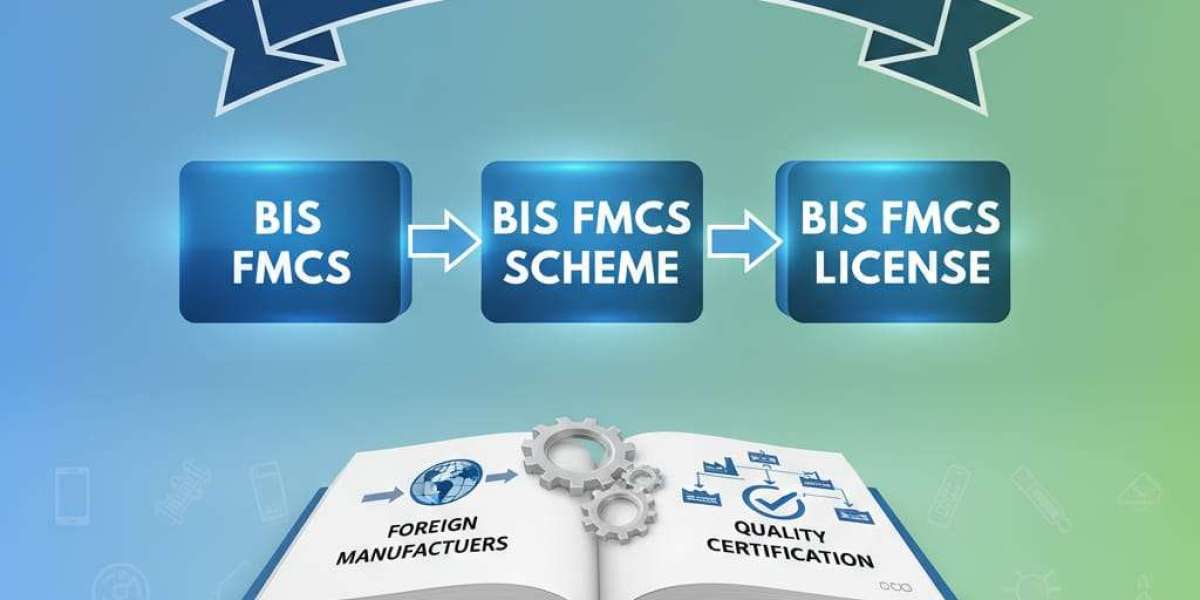
India is one of the fastest-growing markets in the world, attracting foreign manufacturers from electronics, machinery, chemicals, and consumer goods sectors. To ensure product safety, quality, and compliance with Indian standards, the Government of India mandates certification under the BIS FMCS Scheme. This certification is officially known as the BIS FMCS Certificate, and the process is referred to as BIS FMCS Certification.
This blog explains everything you need to know about the BIS FMCS Certificate, its importance, eligibility, process, documents, and benefits for foreign manufacturers planning to enter the Indian market.
What is BIS FMCS Certificate?
The BIS FMCS Certificate is a mandatory license issued by the Bureau of Indian Standards (BIS) to foreign manufacturers who wish to export regulated products to India. FMCS stands for Foreign Manufacturers Certification Scheme.
Under this scheme, BIS verifies that products manufactured outside India meet Indian Standards (IS) before they are sold in the Indian market. Without a valid BIS FMCS Certificate, covered products cannot be legally imported, sold, or distributed in India.
What is BIS FMCS Certification?
BIS FMCS Certification is the complete approval process through which foreign manufacturers obtain the BIS FMCS Certificate. It involves:
Application submission to BIS
Factory inspection by BIS officials
Product testing in BIS-recognized laboratories
Grant of license after compliance verification
Once approved, the manufacturer is allowed to use the ISI Mark on certified products.
Who Needs BIS FMCS Certification?
BIS FMCS Certification is required for foreign manufacturers producing products notified under mandatory BIS standards. Common product categories include:
Electrical and electronic products
Automotive components
Steel and metal products
Chemicals and fertilizers
Household appliances
Industrial machinery
If your product falls under mandatory BIS standards and is manufactured outside India, BIS FMCS Certification is compulsory.
Importance of BIS FMCS Certificate
The BIS FMCS Certificate plays a critical role in market access and consumer safety. Its key importance includes:
Legal permission to sell products in India
Assurance of product quality and safety
Increased trust among Indian consumers
Smooth customs clearance
Protection against penalties and import bans
Without BIS FMCS Certification, imports may be rejected or seized by Indian authorities.
BIS FMCS Certification Process
The BIS FMCS Certification process follows a structured approach:
Step 1: Application Submission
The foreign manufacturer submits an application to BIS along with product details, factory information, and test reports.
Step 2: Nomination of Authorized Indian Representative (AIR)
Every foreign manufacturer must appoint an Authorized Indian Representative (AIR) who acts as a local compliance contact.
Step 3: Product Testing
Samples are tested in BIS-recognized laboratories to verify conformity with applicable Indian Standards.
Step 4: Factory Inspection
BIS officials visit the overseas manufacturing facility to assess production processes, quality control systems, and testing capabilities.
Step 5: Grant of BIS FMCS Certificate
After successful inspection and test compliance, BIS issues the FMCS license allowing use of the ISI mark.
Documents Required for BIS FMCS Certification
Key documents required include:
Manufacturing license of the factory
Product technical details and specifications
Quality control manuals
Test reports from BIS-approved labs
Authorization letter for AIR
Factory layout and process flow chart
Accurate documentation is essential for avoiding delays.
Validity and Renewal of BIS FMCS Certificate
The BIS FMCS Certificate is generally valid for 1 to 2 years, depending on the product category. Manufacturers must apply for renewal before expiry to continue exporting products to India without interruption.
Common Challenges in BIS FMCS Certification
Foreign manufacturers often face challenges such as:
Understanding Indian Standards
Coordination for factory inspection
Delays in product testing
Documentation errors
Communication gaps with BIS
Professional guidance can significantly simplify the process.
Benefits of BIS FMCS Certification
Obtaining BIS FMCS Certification offers multiple benefits:
Market entry into India
Competitive advantage over uncertified products
Improved brand reputation
Compliance with Indian regulations
Long-term business sustainability
Conclusion
The sunconsultants.co.in is a crucial requirement for foreign manufacturers aiming to sell regulated products in India. Through BIS FMCS Certification, BIS ensures that imported products meet Indian quality and safety standards. While the process involves testing, inspection, and documentation, obtaining the certificate opens doors to one of the world’s largest consumer markets.