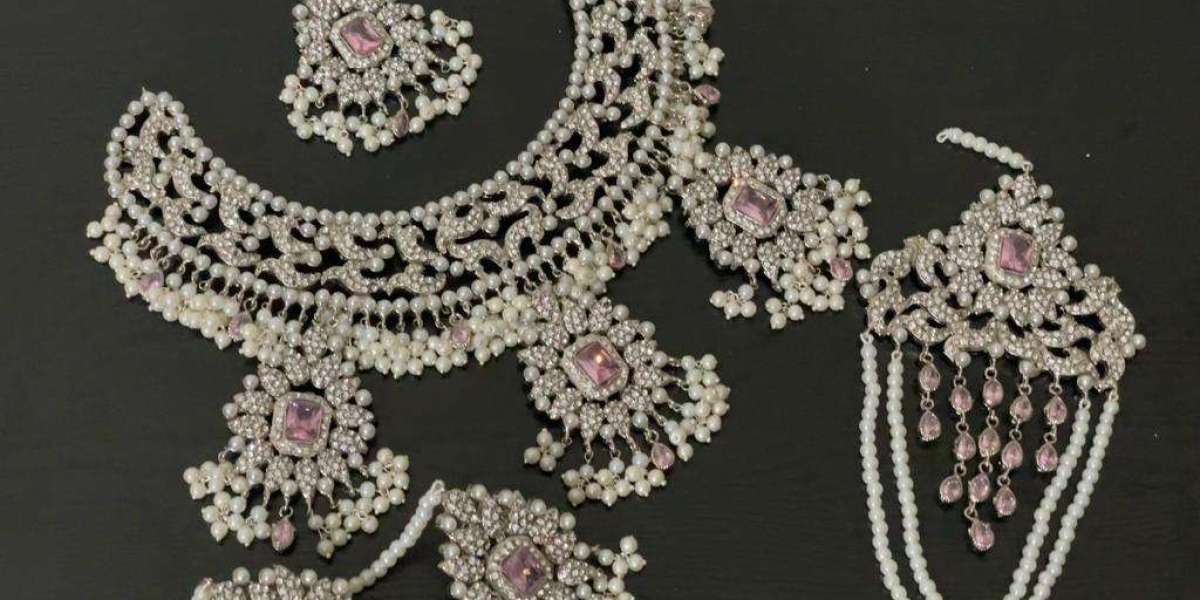

For decades in Pakistan, silver jewellery played second fiddle to gold. It was what you wore when you couldn't afford gold, or what older relatives kept from generations past without quite knowing what to do with it. But something interesting has been happening over the past few years. Silver is having a serious moment, not as a gold substitute but as a desirable choice in its own right with distinct advantages and a growing fanbase.
Young professionals, fashion-conscious consumers, and even traditional jewellery buyers are rediscovering silver. The reasons range from affordability and versatility to the simple fact that silver's cool, bright appearance suits modern aesthetics in ways that gold sometimes doesn't. Let's explore why silver jewellery deserves your attention and what you should know before buying.
Why Silver Works Differently Than Gold
Silver and gold function differently as jewellery metals, and understanding these differences helps explain silver's appeal beyond just being cheaper.
The color is the most obvious distinction. Silver's bright, white metal appearance creates a contemporary, clean look that pairs well with both traditional and modern styling. While gold radiates warmth and richness, silver offers cool elegance that many people find more versatile with everyday wardrobes dominated by blues, grays, blacks, and other cool-toned colors.
Weight and wearability also differ significantly. Silver is less dense than gold, meaning comparable pieces feel lighter and more comfortable for extended wear. If you've ever experienced neck fatigue from heavy gold necklaces, silver's lighter weight becomes a real advantage.
The price difference is substantial and shouldn't be dismissed as silver's only selling point, though it certainly matters. You can build an extensive silver jewellery collection for what a single gold piece might cost. This accessibility lets you experiment with different styles, own pieces for various occasions, and replace items without major financial stress.
Understanding Silver Purity and Standards
Just as gold comes in different karats, silver has purity standards that affect quality, durability, and price. Knowing these standards helps you evaluate what you're buying.
Sterling silver, marked as 925, contains 92.5% pure silver with 7.5% other metals, usually copper. This is the most common standard for quality silver jewellery worldwide. The added metals provide strength and durability while maintaining silver's appearance. Pure silver (99.9%) is too soft for most jewellery applications, bending and denting too easily for practical wear.
Some jewellery uses lower silver content, marked as 800 or below. These pieces contain more base metals, affecting both appearance and value. While not necessarily bad, they're less desirable than sterling silver for serious jewellery.
Silver plating represents a different category entirely. Base metal is coated with a thin layer of silver, giving silver's appearance initially but wearing through to reveal the underlying metal with use. Plated pieces cost significantly less than solid silver but offer limited longevity.
Look for hallmarks on silver jewellery indicating purity. The "925" stamp verifies sterling silver. Additional marks might indicate the manufacturer or country of origin. Reputable sellers provide documentation of silver purity with significant purchases.
The Tarnishing Reality and How to Handle It
Let's address the elephant in the room. Silver tarnishes. This is silver's main disadvantage compared to gold, which maintains its appearance indefinitely. Understanding why tarnishing happens and how to manage it makes silver jewellery much more practical.
Tarnish occurs when silver reacts with sulfur compounds in air, creating a dark coating on the surface. This is a natural chemical process, not a defect or sign of poor quality. Even the finest sterling silver tarnishes when exposed to air over time.
Certain factors accelerate tarnishing. Humidity speeds the process significantly. Exposure to certain foods, particularly eggs and onions, increases tarnishing. Cosmetics, lotions, perfumes, and hairspray all contain chemicals that can affect silver. Wearing silver regularly actually helps prevent tarnishing because skin oils and friction from movement slow the process.
The good news is that tarnish is purely surface level and completely reversible. Silver polishing cloths remove light tarnish quickly with simple rubbing. For heavier tarnish, silver cleaning solutions or polishes work effectively. Proper storage in anti-tarnish bags or with anti-tarnish strips dramatically slows tarnishing between wears.
Some people actually prefer the slightly antiqued look of lightly tarnished silver, particularly with oxidized or vintage-style pieces. The patina adds character and depth that bright, shiny silver lacks.
Traditional vs. Contemporary Silver Designs
Pakistani silver jewellery encompasses both traditional designs rooted in cultural heritage and contemporary pieces following modern fashion trends.
Traditional silver jewellery often features intricate filigree work, ethnic motifs, and substantial construction. These pieces connect to regional crafts from areas like Multan, Hyderabad, and northern regions where silver craftsmanship has deep roots. Traditional silver jewellery might incorporate semi-precious stones like turquoise, carnelian, or lapis lazuli, creating pieces with historical character.
The tribal and vintage aesthetic of traditional silver appeals to people seeking unique, bohemian styles. These pieces make statements and work particularly well with ethnic wear or boho fashion.
Contemporary silver jewellery takes different directions entirely. Minimalist designs with clean lines and geometric shapes appeal to modern sensibilities. These pieces work seamlessly with Western clothing and professional environments where traditional jewellery might seem out of place.
Designer silver jewellery represents another category, with Pakistani and international designers creating artistic pieces that push beyond conventional jewellery into wearable art. These designs often command prices approaching or exceeding modest gold jewellery, reflecting the design value and craftsmanship rather than just material cost.
Silver Jewellery for Different Occasions
One of silver's strengths is versatility across various contexts. Unlike gold, which carries specific cultural associations and expectations, silver works comfortably in multiple settings.
Daily wear represents silver's sweet spot. Simple silver earrings, a delicate chain with small pendant, or a thin bangle provide polish and completion to everyday outfits without feeling overdressed or precious. You can wear these pieces to work, shopping, casual gatherings, and everything between without worrying about appropriateness or security.
Professional environments often suit silver better than gold. Silver's understated elegance reads as sophisticated without flashy. For industries and roles where conservative appearance matters, silver provides a safe choice that adds interest without distraction.
Casual and semi-formal events welcome silver jewellery easily. Parties, dinners, casual weddings, and social gatherings all work well with silver styling. The key is choosing pieces appropriate to the formality level—delicate silver for low-key events, more substantial or decorated pieces for dressier occasions.
Very formal events and traditional ceremonies present more complexity. Pakistani weddings and major cultural celebrations traditionally emphasize gold jewellery, and showing up in silver might read as either bohemian rebellion or financial limitation depending on context and styling. Some people confidently wear silver to these events, carrying it off with strong personal style. Others save silver for other occasions.
Buying Silver Jewellery Wisely
The silver jewellery market includes everything from exquisite handcrafted pieces to mass-produced items of questionable quality. Knowing what to look for protects you from disappointments.
Price signals a lot about silver jewellery. Extremely cheap pieces claiming to be sterling silver probably aren't, or they're so poorly made that they'll break quickly. Silver has commodity value based on weight, plus making charges for craftsmanship. Prices below these basics suggest problems.
Weight and feel matter when evaluating silver pieces. Quality silver jewellery has substance. Pieces that feel insubstantial or appear unusually lightweight for their size might use hollow construction (sometimes acceptable) or might not be solid silver.
Construction quality shows in details. Clasps should work smoothly and feel secure. Solder joints should be invisible or minimal. Stone settings should hold gems firmly with proper prongs or bezels. Chain links should connect smoothly without catching. Polish should be even without tool marks or rough spots.
Buy from reputable sellers, especially for significant purchases. Established jewellers have reputations to maintain and provide better recourse if problems arise. They're also more likely to sell properly hallmarked silver and provide documentation.
Silver and Gemstones: Perfect Partners
Silver works beautifully with gemstones, and many people consider silver settings superior to gold for certain stones. The neutral brightness of silver doesn't compete with gemstone colors the way gold's warmth can.
Semi-precious stones pair naturally with silver. Turquoise and silver create classic combinations seen in traditional jewellery worldwide. Amethyst's purple tones look stunning against silver's brightness. Black onyx against silver provides dramatic contrast. Moonstone, labradorite, and opal all showcase their unique optical effects beautifully in silver settings.
Silver's lower cost compared to gold makes it practical for experimental or trendy gemstone combinations. You can try unusual stones or color combinations without major investment, replacing pieces as tastes change.
The cool tones of silver complement both warm and cool-colored stones effectively. This versatility gives silver an advantage over gold's warmth which can clash with certain stone colors.
Silver in Pakistani Culture and Tradition
While gold dominates Pakistani jewellery culture, silver holds traditional significance worth understanding. Historically, silver jewellery was widespread across all economic levels, with elaborate pieces indicating wealth and status just as gold did.
Certain regions and communities have strong silver jewellery traditions. Tribal areas, Balochistan, and parts of Sindh developed distinctive silver jewellery styles that remain culturally significant. These pieces often carry symbolic meanings or mark particular occasions and statuses.
Silver jewellery appears in traditional ceremonies and celebrations, though less centrally than gold. Some families maintain silver pieces as heirlooms, passing them through generations alongside or instead of gold.
The cultural positioning of silver is shifting among younger Pakistanis who view it less as gold's poor relation and more as a distinct aesthetic choice. This generational change is helping silver shed stigma and gain appreciation on its own merits.
Caring for Your Silver Collection
Proper care dramatically extends silver jewellery's life and appearance. The practices aren't complicated, but consistency matters.
Regular wearing actually helps maintain silver by preventing tarnish buildup. Skin oils provide slight protection, and normal friction from movement polishes the surface naturally. Pieces worn weekly rarely develop heavy tarnish.
Storage between wears should protect silver from air exposure. Anti-tarnish bags or cloth pouches work well. Zip-lock bags provide basic protection if special storage isn't available. Keeping silver separate prevents pieces from scratching each other.
Remove silver before activities that expose it to chemicals or harsh conditions. Swimming, showering, exercising, cooking, and cleaning all subject silver to substances that accelerate tarnishing or could damage the metal.
Clean silver regularly with appropriate products. Silver polishing cloths work for light tarnish and regular maintenance. Silver cleaning solutions or polishes handle heavier tarnish. For detailed pieces with crevices, soft toothbrushes help reach intricate areas without scratching.
Professional cleaning services handle silver along with gold, though most regular maintenance you can manage at home with basic supplies.
Investment Value: Silver's Different Equation
Silver has intrinsic value as a precious metal, but thinking of silver jewellery purely as investment requires different calculations than gold.
Silver's commodity value per gram is much lower than gold's, meaning the metal value of your jewellery represents less of a safety net. However, silver prices do fluctuate based on global markets, and the metal retains value over time.
Making charges and design value constitute larger percentages of silver jewellery prices than with gold. When buying primarily for investment, simpler pieces with minimal making charges make more sense. But since silver's total cost is lower, many people comfortably prioritize design and wearability over pure investment value.
Antique and vintage silver jewellery can actually command premiums based on age, rarity, craftsmanship, and historical significance. Traditional silver pieces from certain regions or periods have collector value beyond their metal content.
For most buyers, silver jewellery makes sense primarily as wearable accessories with modest intrinsic value rather than serious investment vehicles. That's perfectly fine when the total expenditure stays reasonable.
Building a Silver Jewellery Collection
Starting and growing a silver collection offers creative freedom and practical versatility without financial stress.
Begin with basics that work across your wardrobe and lifestyle. Simple studs or small hoops for everyday ear wear. A medium-length chain that can be worn alone or with pendants. Maybe a simple bracelet or bangle. These foundational pieces ensure you always have appropriate silver jewellery available.
Add variety gradually based on actual gaps in your collection and real occasions you attend. Statement pieces for when you want impact. Delicate items for subtle elegance. Ethnic designs if you wear traditional clothing. Contemporary pieces for modern styling.
Mix textures and finishes within your collection. High polish silver has classic appeal. Matte or brushed finishes offer contemporary looks. Oxidized silver provides vintage character. Having variety in surface treatments expands styling options.
Consider sets versus individual pieces. Matching earring and necklace sets simplify styling decisions and ensure coordinated looks. But building separate pieces lets you mix and match creatively.
Silver jewellery's affordability encourages experimentation. Try styles outside your comfort zone. The investment is low enough that mistakes don't sting, while discoveries might redirect your entire aesthetic.
Pakistan's silver jewellery market has matured significantly, offering quality pieces at various price points for different tastes and occasions. Whether you're looking for affordable everyday accessories, unique artistic pieces, traditional designs, or modern minimalism, silver provides options worth serious consideration beyond its role as gold's less expensive alternative.