

Unleash the Secrets of Kitchen Ventilation: Transform Your Cooking Space Today!
In the world of culinary creativity, a kitchen is more than just a space for cooking; it's the heart of the home. However, many homeowners overlook a crucial element that can make or break their cooking experience: the kitchen ventilation system. Proper ventilation is essential for maintaining a healthy and comfortable cooking environment. Without it, you may find yourself battling smoke, lingering odors, and excessive heat. These issues not only diminish the joy of cooking but can also pose health risks over time. This article aims to educate you on what kitchen ventilation systems are, how they function, and the myriad benefits they provide, ensuring your cooking space is as enjoyable and safe as possible.
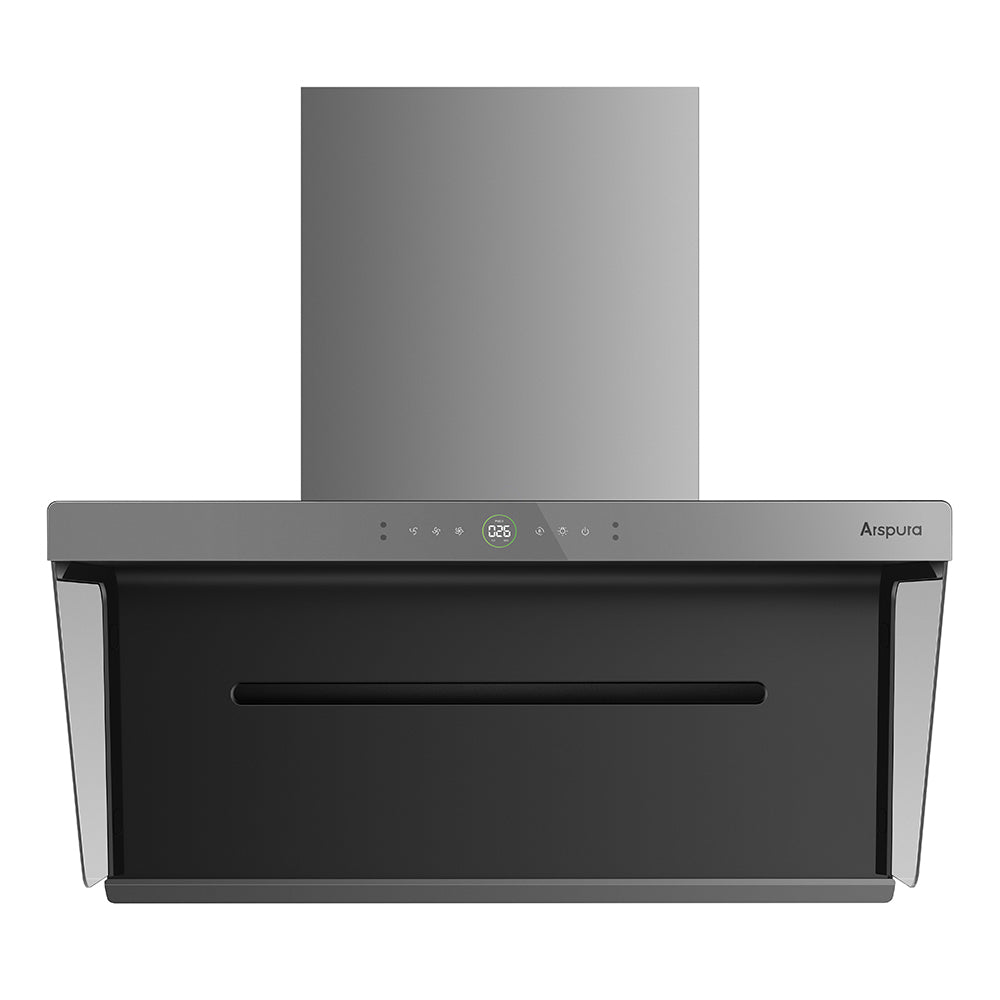
What is a Kitchen Ventilation System?
A kitchen ventilation system is designed to remove airborne contaminants from the kitchen, ensuring a fresh and clean cooking environment. The primary components of these systems typically include exhaust hoods, fans, filters, and ductwork. There are several types of kitchen ventilation systems available, each catering to different needs and preferences. Exhaust hoods, for instance, are the most common type and are mounted above the cooking surface to capture smoke and odors right at the source. Downdraft systems, on the other hand, integrate into the cooktop and pull air downwards, making them a space-saving option for kitchens with limited overhead space. Lastly, natural ventilation methods take advantage of windows and vents to allow fresh air to circulate, though they may not be as effective in eliminating pollutants as mechanical systems.
How Kitchen Ventilation Systems Work
The mechanics behind kitchen ventilation systems are quite fascinating. When you cook, various pollutants, including smoke, steam, and grease particles, are released into the air. A well-functioning ventilation system works by creating airflow that captures these pollutants. As the fan operates, it draws air from the cooking area through filters that trap grease and other particulates. This filtered air is then either recirculated back into the kitchen or expelled outside, depending on the system type. This process not only helps to maintain air quality but also regulates temperature, preventing heat from accumulating in the kitchen. I remember a friend’s kitchen remodel where they installed a powerful exhaust hood; the difference in air quality was immediate, making cooking a much more pleasant experience.
Benefits of Installing a Kitchen Ventilation System
The advantages of having a kitchen ventilation system are numerous and impactful. Firstly, improved air quality is a significant benefit; by effectively removing smoke and odors, you create a healthier cooking environment. Enhanced cooking experiences are another perk, as proper ventilation allows you to enjoy your culinary creations without the distraction of lingering smells. Additionally, a good ventilation system contributes to energy efficiency by reducing the need for cooling systems, which can be overwhelmed by the heat generated during cooking. Another important aspect is health; inadequate ventilation can lead to respiratory problems and other health issues due to the accumulation of harmful particles. A personal anecdote comes to mind: after my sister installed a new ventilation system, she noticed that her family members, who previously experienced allergies, had fewer flare-ups during meal prep. This just goes to show how impactful ventilation can be on overall health and comfort.
Choosing the Right Kitchen Ventilation System for Your Home
When it comes to selecting the right kitchen ventilation system, several factors should be considered to ensure you make the best choice for your home. First, assess your kitchen size; larger kitchens may require more powerful systems to effectively manage air quality. Next, consider your cooking habits; if you frequently cook with high heat or strong-smelling ingredients, you might need a more robust solution. Noise levels are another critical factor; some systems can be quite loud, which may be distracting during meal prep or entertaining. Maintenance requirements should also be evaluated, as some systems may require regular filter changes or cleaning. Lastly, installation options vary, so it’s essential to think about whether you prefer a ducted or ductless system based on your home’s layout and your personal preferences. A friend of mine had to navigate these choices when upgrading her kitchen, and she found that taking the time to research and consult with professionals made all the difference.
Elevate Your Kitchen with the Right Ventilation
In conclusion, kitchen ventilation systems play a vital role in maintaining a safe, comfortable, and enjoyable cooking environment. We’ve explored what these systems are, how they function, and the numerous benefits they offer, from improved air quality to enhanced cooking experiences. Proper ventilation not only contributes to a healthier home but also transforms your kitchen into a space where you can truly unleash your culinary creativity. If you haven’t already considered upgrading or installing a kitchen ventilation system, now is the perfect time to make that investment and elevate your cooking space to new heights.