

Unlock Your Small Business Potential with the Perfect Time Clock Solution!
Time management is crucial for every small business striving for growth and efficiency. In the fast-paced world of entrepreneurship, keeping track of employee hours can make or break your bottom line. Many small businesses face common challenges, such as time theft, inaccurate tracking, and payroll discrepancies. This is where time clocks come into play, acting as a beacon of accountability and productivity. The goal of this article is to guide you through the process of selecting the right time clock solution that fits the unique needs of your business, ensuring that you can focus more on growth and less on administration.
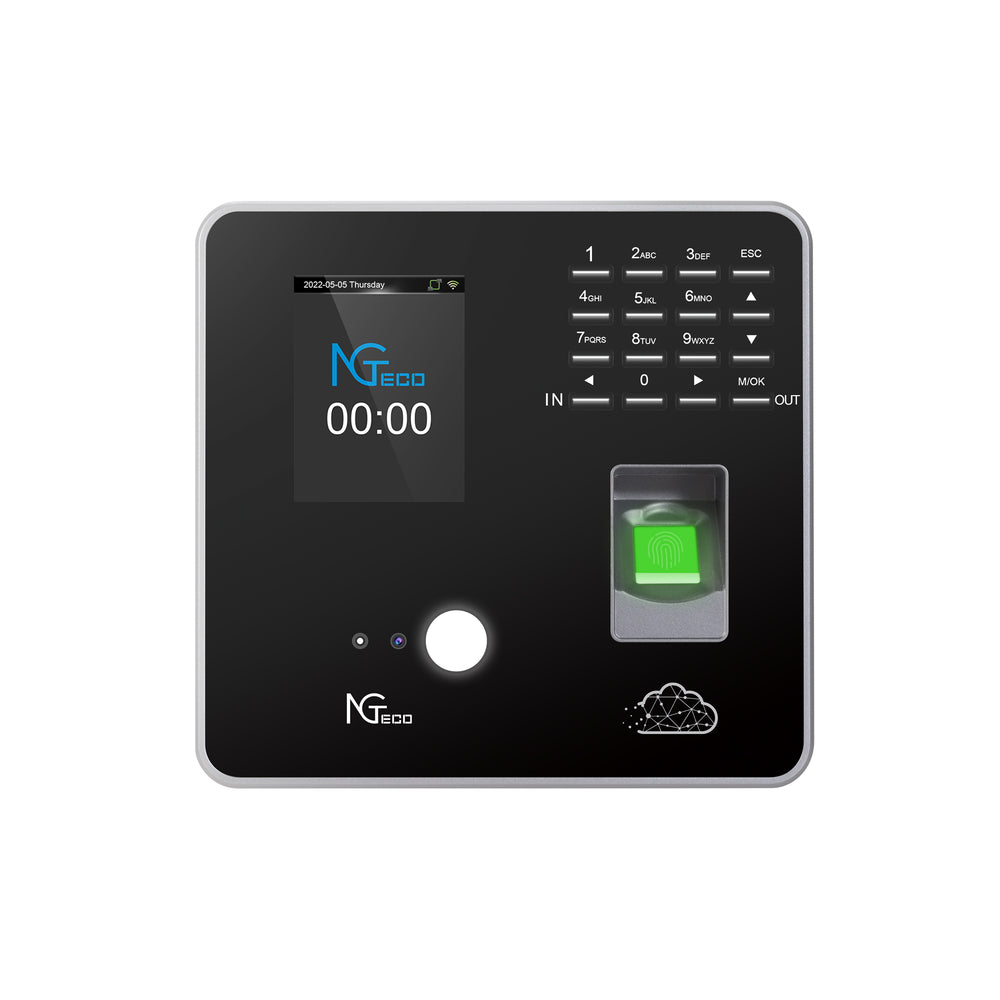
Understanding the Importance of Time Clocks for Small Businesses
Time clocks play a pivotal role in promoting accountability and productivity among employees. For small businesses, where every minute counts, having an accurate system to track hours worked can significantly impact payroll and labor costs. Without reliable tracking, businesses may inadvertently overpay employees or face disputes over hours worked, leading to frustration on both sides. Additionally, effective time clock systems help reduce time theft, whether intentional or accidental, and improve overall attendance. A friend of mine who runs a small café implemented a time clock and noticed an immediate improvement in employee punctuality and a reduction in discrepancies in payroll, allowing her to invest more time in customer service rather than paperwork.
Types of Time Clock Solutions Available
When it comes to choosing a time clock solution, there are various options available, each with its own set of advantages and disadvantages. Traditional punch clocks, while simple and effective, can be cumbersome and prone to human error. Digital time clocks offer a more streamlined experience, often integrating with payroll systems, but may require a learning curve for employees. Biometric systems, such as fingerprint or facial recognition, enhance security and eliminate buddy punching, but they can be more expensive and require careful implementation. Assessing the specific needs of your small business will help in selecting the right type, whether you prioritize simplicity, security, or integration capabilities.
Key Features to Consider When Choosing a Time Clock
As you consider your options, it’s essential to look for key features that will streamline your operations. Ease of use is paramount; a system that is user-friendly will encourage employee compliance and minimize errors. Integration with payroll systems is another crucial feature, as it saves significant time and reduces the risk of mistakes when processing payroll. Mobile access can be a game-changer for businesses with remote or on-the-go employees, enabling them to clock in and out from anywhere. Lastly, robust reporting capabilities allow you to analyze attendance trends and labor costs effectively. By prioritizing these features, you can enhance management efficiency and ensure a smooth operation.
Steps to Implementing a Time Clock Solution
Implementing a time clock solution in your small business can seem daunting, but breaking it down into manageable steps can facilitate a smooth transition. Start by selecting the right system based on your business needs and employee dynamics. Once you’ve made your choice, it’s crucial to train your employees thoroughly on how to use the new system. This ensures everyone understands the process and can utilize it effectively. Set up the system properly, ensuring all employee information is accurately entered. After implementation, monitor the system’s effectiveness regularly; gather feedback from employees and be open to making adjustments as needed. A friend who owns a boutique shared that taking the time to train her staff led to a seamless transition and increased employee satisfaction.
Summarizing Your Path to Efficient Time Management
In summary, investing in the right time clock solution can unlock your small business's potential by enhancing productivity, reducing payroll errors, and promoting accountability. By understanding the importance of time clocks, exploring the various types available, considering essential features, and following a structured implementation process, you can make an informed decision tailored to your business's needs. Take the time to assess your specific requirements, and you’ll be well on your way to streamlining operations and focusing on what truly matters—growing your business.