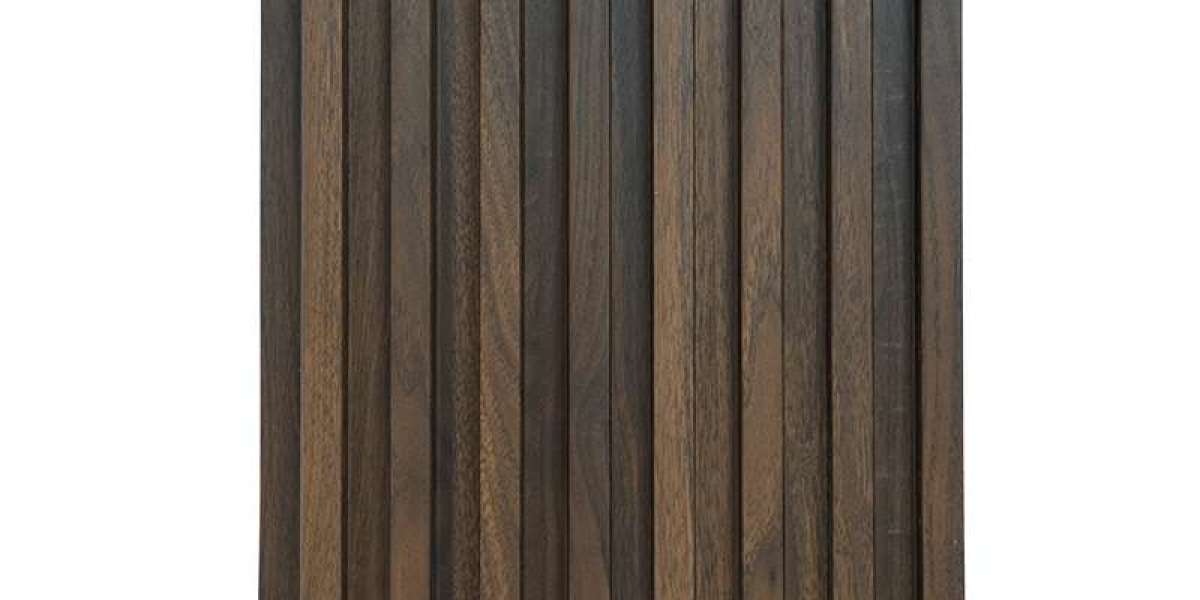

When selecting materials for interior surfaces, homeowners and designers seek options that balance aesthetics, durability, and practicality. WPC wall panel indoor solutions have gained attention as a versatile material meeting these needs. WPC, which stands for Wood Plastic Composite, is an engineered material made from wood fibers or flour and thermoplastics such as polyethylene, PVC, or polypropylene. When manufactured into wall panels for indoor use, this composite creates a product that combines attributes of both wood and plastic. An indoor WPC wall panel is designed to be installed on interior walls as a decorative and protective cladding, offering an alternative to traditional materials like paint, wallpaper, ceramic tile, or solid wood paneling. The rise of this product category reflects a market shift towards low-maintenance, moisture-resistant, and stylish surfacing options for residential and commercial spaces.
The structure of an indoor WPC panel is key to its performance. The wood fibers provide rigidity, a degree of natural texture, and the ability to be machined similarly to wood. The plastic matrix binds these fibers together, offering waterproofing, resistance to decay and insects, and dimensional stability. These raw materials are compounded, heated, and extruded or molded into long, interlocking panels. The surface of the panel is typically finished with a decorative layer, which can be a printed wood-grain foil, a solid color laminate, or an embossed texture. This manufacturing process allows for great consistency in appearance and properties, unlike natural wood, which can have significant variations. The resulting WPC wall panel is a homogeneous product where the color and texture run through the material or are permanently fused to its surface.
The functional benefits of using WPC wall panels indoors are substantial. Foremost is moisture resistance. Unlike drywall or MDF, WPC will not swell, warp, or rot when exposed to humidity, making it an excellent choice for bathrooms, kitchens, laundry rooms, and basements. This inherent property also makes it easy to clean; most panels can be wiped down with a damp cloth without damage. Another significant advantage is durability. Indoor WPC panels are resistant to scratches, dents, and fading, maintaining their appearance in high-traffic areas. From an installation perspective, many WPC wall panel systems are designed with tongue-and-groove or click-lock mechanisms, allowing for a relatively straightforward DIY or professional installation directly over existing walls, often without the need for grout or extensive surface preparation.
Aesthetically, WPC wall panel indoor products offer considerable versatility. Manufacturers produce a wide array of styles to suit different design themes. Options range from realistic replications of natural wood planks in oak, walnut, or teak finishes to modern, minimalist styles in solid colors like white, grey, or black. Some panels mimic other materials, such as stone or ceramic tile, providing the desired visual effect with lighter weight and easier installation. This allows designers to achieve a specific look—be it a rustic accent wall, a sleek contemporary feature, or a practical full-wall treatment in a wet area—using a single, reliable material system. The consistency of the panels ensures a uniform appearance across the entire wall.
WPC wall panel indoor installations represent a pragmatic and stylish choice for modern interiors. By merging the desirable aesthetic qualities of wood with the resilient, low-maintenance properties of plastic, this composite material addresses common challenges in interior design. Its performance in humid environments, coupled with its durability and ease of installation, makes it a compelling alternative to more traditional wall finishes. As the demand for building materials that offer both beauty and long-term practicality continues to grow, the role of indoor WPC wall panels is likely to expand, solidifying their position as a functional and attractive component in interior architecture.