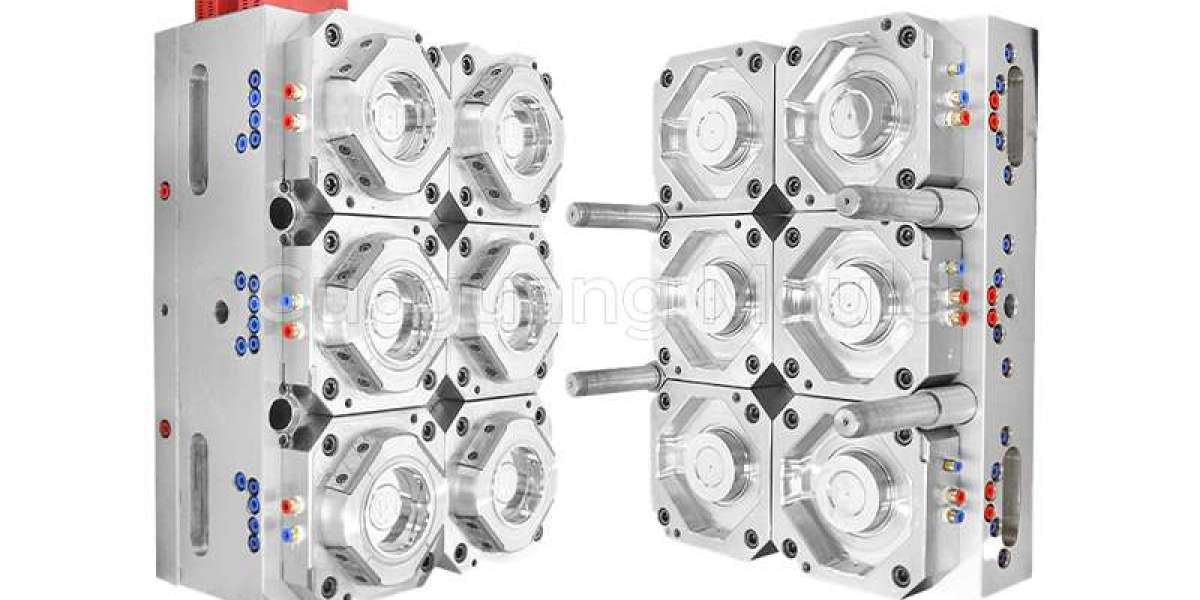

The value of a Plastic Injection Thin Wall Food Container Mold is realized not at its first successful test shot, but over its entire operational lifespan, which can encompass the production of hundreds of millions of units. This perspective shifts the focus from initial purchase price to total cost of ownership, where factors like durability, maintenance requirements, and long-term part quality become critical. A well-engineered and properly maintained mold is a capital asset that drives profitability through maximized uptime, consistent output, and minimized per-part cost over many years. Understanding this lifecycle is essential for appreciating the true role of the injection mold in high-volume manufacturing.
The foundation for a long and productive life is laid during the mold's design and fabrication phase. The selection of tool steel is paramount; it must offer a balance of hardness to resist wear, toughness to withstand high injection pressures, and thermal conductivity for efficient cooling. Premium steels and specialized coatings are often used in high-wear areas like gates and vents. The precision machining of the cavity and core ensures that the thin wall sections of the food container are produced consistently, which is vital for both strength and minimizing plastic usage. A comprehensive sampling and validation process fine-tunes the injection parameters, establishing a stable "sweet spot" for production that reduces stress on the tool and ensures the container meets all specifications.
Once in continuous production, a disciplined maintenance regimen is the key to preserving the mold's value. This involves regular cleaning of cooling channels to prevent scale buildup that impedes heat transfer, lubrication of ejector systems, and inspection of critical surfaces for any signs of wear or damage. Minor issues, such as a small scratch in the cavity or a worn vent, can be addressed during scheduled downtime to prevent them from escalating into major failures that require the mold to be pulled from production for extensive repair. Proper handling, storage, and process control (avoiding excessive temperatures or pressures) also significantly extend the tool's service life. For a thin wall mold, where cycles are measured in seconds, preventing even a small amount of downtime translates to substantial preserved output.
Even with excellent care, a mold will require refurbishment. After tens of millions of cycles, sealing surfaces, ejector pins, and cooling components may need reworking or replacement. A high-quality mold is designed with this in mind, allowing for components to be rebuilt or replaced cost-effectively. This refurbishment process can restore the tool to near-original condition, extending its life for another major production campaign at a fraction of the cost of a new mold. The decision to refurbish or replace is a central economic calculation in mold management. Therefore, the plastic injection thin wall food container mold is good understood as a long-term partner in production, whose design, care, and renewal are fundamental to the sustained, cost-effective manufacture of the disposable food containers that are integral to modern life.