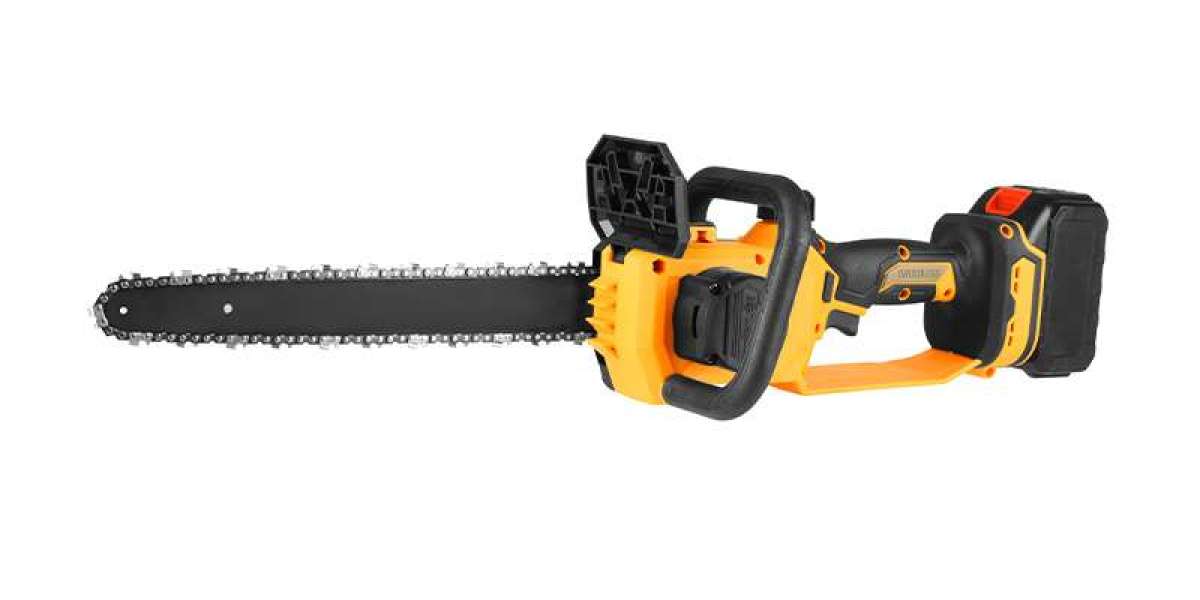

In the realm of basic yet indispensable tools, the single hand saw occupies a quiet but essential role. It is a tool defined by its simplicity and direct connection between user and material. A single hand saw is designed to be operated with one hand, which dictates its unique characteristics: a relatively short blade, a compact handle designed for a secure grip, and an overall lightweight construction. This design facilitates control for precision cuts in confined spaces or when working on smaller workpieces. Unlike its larger, two-handed counterparts intended for significant power, the single hand saw emphasizes maneuverability and accessibility. Its blade, typically featuring fine teeth set for crosscutting or ripping, is the focal point of its cutting action, transferring the modest force applied by the user into a focused, linear cutting motion. Whether for a quick trim, a notch in a piece of wood, or cutting through PVC pipe, the utility of this simple tool is found in its ready availability and straightforward operation.
The design of a hand saw intended for one-handed use revolves around balancing leverage, control, and blade efficiency. The handle is a critical component, often molded from durable plastic or shaped from wood to fit the contours of the palm, providing a comfortable and non-slip grip. The blade length for a single hand saw typically ranges from 6 to 12 inches, a size that offers enough stroke length for effective cutting while remaining easy to control without excessive wrist strain. The teeth per inch (TPI) count is relatively high, often between 15 and 24, which produces a finer, slower, but more controlled cut ideal for precise work on thinner materials. The set of the teeth—the slight alternating bend to each side—creates a kerf wider than the blade thickness, reducing friction and preventing the saw from binding in the cut. This fundamental yet clever arrangement of teeth is what allows the single hand saw to function effectively with minimal applied force.
The operation of a single hand saw is a study in applied technique rather than raw strength. The user secures the workpiece, positions the saw with the starting teeth on the cutting line, and uses the thumb of the hand not holding the saw to guide the initial backstroke. Cutting is achieved through a smooth, rhythmic push stroke, allowing the set teeth to do the work of removing material. Forcing the saw or using a jerky motion is counterproductive and can lead to a bent blade or an inaccurate cut. The key is to let the tool work, using a consistent angle and pressure. The one-handed nature of the tool allows the user’s free hand to stabilize the workpiece, mark a new line, or hold a square for guidance, making it a versatile partner in a variety of small-scale cutting tasks where switching tools would be inefficient.
While power tools dominate modern workshops, the single hand saw retains enduring value for tasks that demand a personal touch and immediate response. Its lack of reliance on electricity or batteries makes it a reliable backup and a tool for quick, on-the-spot adjustments. For model makers, finish carpenters, and DIY enthusiasts, the control offered by a sharp, well-maintained single hand saw is often superior to a power tool for delicate work. Maintaining the tool involves simple steps: keeping the blade clean, protecting it from rust, and occasionally sharpening the teeth or adjusting the set to restore its cutting performance. In conclusion, the single hand saw represents a timeless principle in tool design—efficiency through focused application. It is a testament to the idea that a well-designed, purpose-built tool, held in a single hand, can solve a multitude of problems with grace and simplicity.