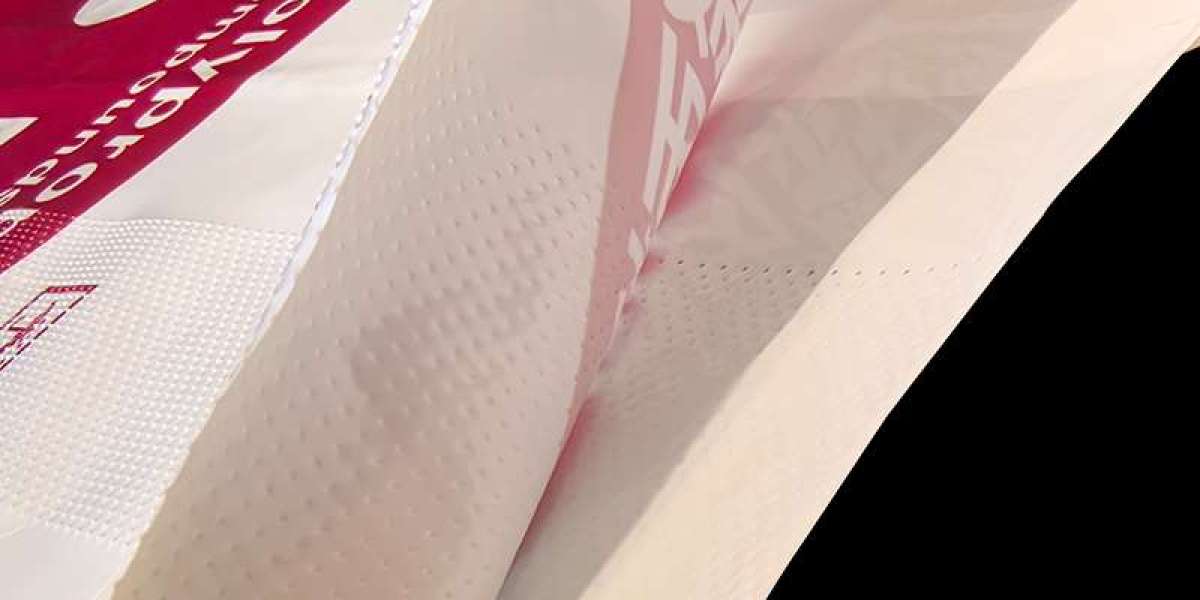

Creating an effective aluminum foil bag is a precise operation that transforms raw materials into a reliable protective shell. The process begins with the selection and combination of films, where a thin gauge of aluminum foil becomes the centerpiece of a multilayer laminate. This foil is meticulously handled, as any creasing or stress could compromise its continuity. Through lamination, it is permanently bonded to other polymer layers—such as biaxially oriented polyester for strength and nylon for puncture resistance—using adhesives or molten resin. The resulting composite film roll is then fed into converting machines. These machines print detailed graphics and product information in multiple colors before cutting and sealing the film into the desired pouch shape. The integrity of every seal is paramount; even a minor defect in the heat-sealed seams of the foil bag can create a pathway for oxygen and moisture, defeating its primary purpose. For bags requiring special features, such as a resealable zipper or a tear notch, additional precision tooling is integrated into the production line. The finished aluminum foil pouches are then inspected, often undergoing quality control tests to verify barrier performance before being shipped to product manufacturers for filling.
The utility of this packaging extends far beyond the grocery aisle. While its role in preserving snack foods, coffee, and dried goods is widely recognized, the aluminum foil bag is equally critical in technical fields. In pharmaceuticals, foil packaging provides a moisture-proof and light-resistant environment for hygroscopic powders, blister packs, and diagnostic strips, where stability is non-negotiable. For sensitive electronic parts like integrated circuits, a metalized shielding bag, often incorporating a layer of aluminum, protects against static electricity that could irreparably damage microchips. The horticulture industry uses specialized foil bags to create controlled atmospheres for storing seeds and bulbs. In each case, the fundamental principle remains the same: the aluminum foil layer acts as a shield, creating a stable, isolated internal environment that guards against specific external threats, whether they are gaseous, liquid, or electrical.
The environmental considerations surrounding aluminum foil packaging are part of its ongoing evolution. The multi-material laminate structure presents a challenge for traditional recycling streams. In response, the industry focuses on material efficiency, using the minimum necessary thickness of foil and plastic to achieve the required barrier. Research into mono-material structures that maintain barrier properties while being easier to recycle is active. Furthermore, the significant reduction in food waste enabled by extended shelf life is a substantial environmental benefit that offsets the impact of the packaging itself. By preventing spoilage, the aluminum foil bag conserves all the resources invested in growing, processing, and transporting the product it contains. This holistic view of resource efficiency underscores the package's functional value. Thus, the aluminum foil bag endures as a packaging standard because its core protective functionality delivers tangible, often essential, benefits that resonate across commercial, consumer, and industrial contexts.