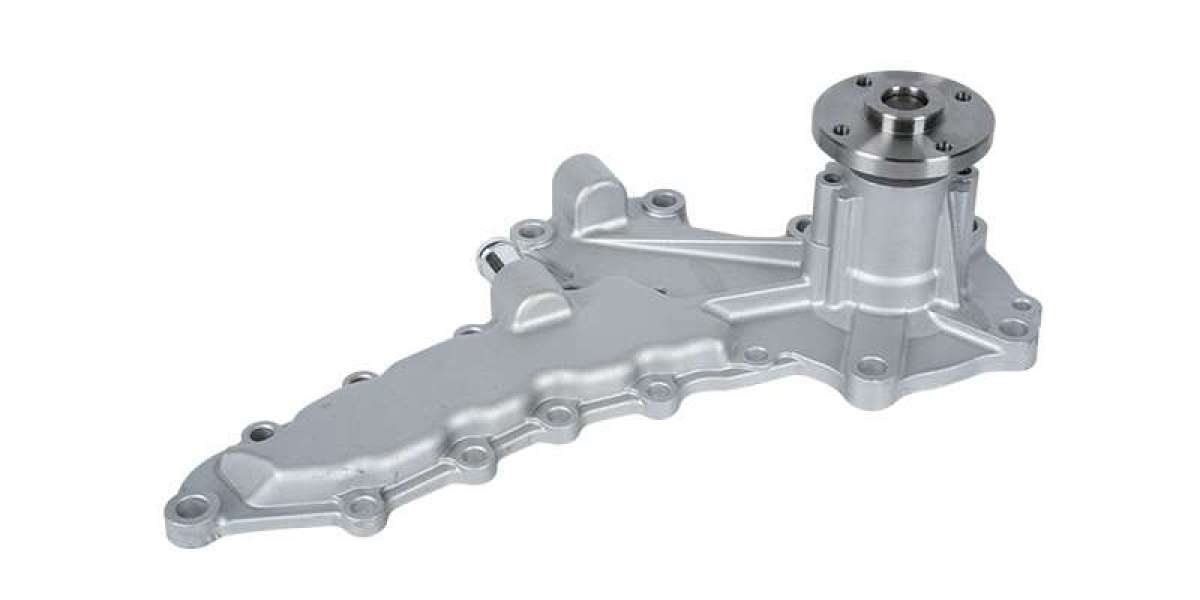

The agricultural water pump stands as an indispensable piece of equipment in modern farming, forming the mechanical heart of irrigation systems worldwide. This device is tasked with the critical function of moving water from its source—be it a well, river, lake, or reservoir—and delivering it through networks of pipes or channels to cultivated fields. In regions where rainfall is insufficient or unpredictable, the operation of a reliable agricultural water pump transcends convenience; it becomes a fundamental determinant of crop survival and yield. The ability to provide controlled, timely irrigation directly supports global food production, enabling cultivation in arid areas and allowing for multiple growing seasons. A well-chosen and maintained pump thus represents a strategic investment in agricultural resilience, transforming inaccessible water into a manageable resource for crop growth.
The selection of an appropriate agricultural water pump is guided by several key technical and environmental factors. The primary considerations include the total dynamic head, which accounts for the vertical lift and frictional losses in pipes, and the required flow rate measured in gallons or liters per minute to adequately service the target area. The water source dictates pump type: centrifugal pumps are common for moving large volumes from surface water, while submersible pumps are deployed to extract water from deeper wells. Energy source is another crucial decision point, with pumps powered by electricity, diesel, gasoline, or solar panels. Solar-powered agricultural water pumps are gaining particular attention for their potential to reduce long-term operational costs and increase energy independence in remote locations, though their initial investment can be substantial. The durability of the pump must also match local conditions, including water quality, which may contain abrasive sediments or corrosive elements.
Beyond basic irrigation, the application of agricultural water pumps supports diverse and sophisticated farming practices. They are integral to drip and sprinkler systems, which optimize water use efficiency by delivering moisture directly to plant roots or simulating rainfall. In greenhouse operations, pumps manage precise nutrient delivery in hydroponic systems. They also play a role in land management, such as draining excess water from fields after heavy rains or controlling water levels in aquaculture ponds. The agricultural water pump is, therefore, a versatile tool that adapts to various scales and methods, from smallholder plots to extensive commercial enterprises. Its consistent operation underpins not only crop hydration but also the implementation of advanced agronomic techniques that maximize productivity and conserve resources.
The widespread deployment and continued innovation of the agricultural water pump underpin its status as a cornerstone of productive and sustainable agriculture. As water scarcity becomes a more pressing global challenge, the efficiency and reliability of this equipment will only grow in importance. The ongoing development of smarter, more energy-efficient, and durable pump designs promises to further strengthen food security by empowering farmers to utilize water resources with greater precision and lower environmental impact. The agricultural water pump, in its essential function, remains a direct link between the availability of water and the certainty of harvest.