

Transform Your Kitchen: Discover the Secret to Choosing the Perfect Wall Mounted Exhaust Hood!
In any kitchen, effective ventilation is crucial for not only maintaining air quality but also for enhancing the overall cooking experience. A wall mounted exhaust hood plays a vital role in this regard, effectively removing smoke, steam, and odors while adding a touch of elegance to your kitchen decor. When selecting the right model, it’s essential to consider various factors such as size, airflow capacity, noise levels, and design. By understanding these aspects, you can make an informed decision that elevates both functionality and aesthetics in your kitchen.
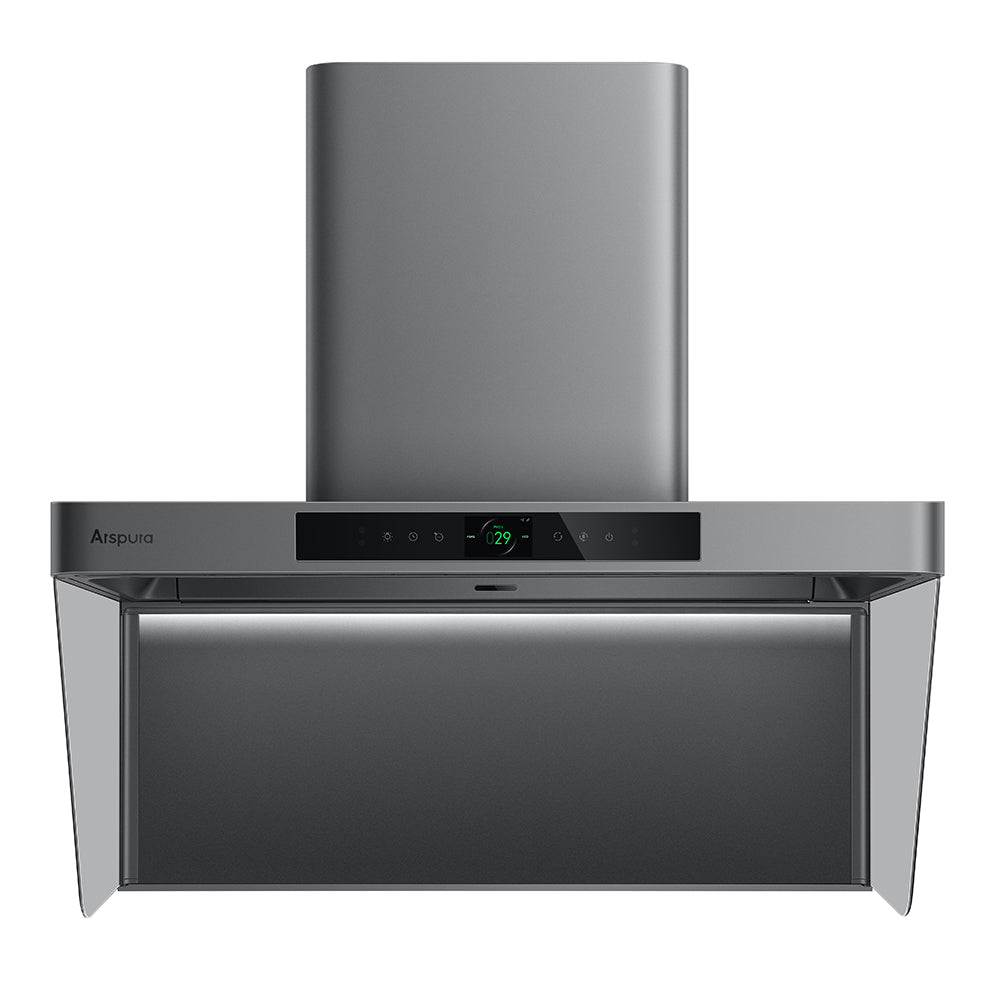
Understanding Wall Mounted Exhaust Hoods
Wall mounted exhaust hoods are designed to be installed directly onto the wall above your cooking range, making them an excellent choice for kitchens lacking overhead cabinetry. These hoods work by drawing in air from the kitchen, filtering out grease and particulates, and expelling the cleaned air outside, or recirculating it back into the kitchen. One of the key benefits of wall mounted hoods is their ability to enhance kitchen ambiance and aesthetics while keeping the air clean and fresh. Compared to other types of hoods, such as under-cabinet or island hoods, wall mounted options often provide superior performance in larger kitchen spaces, making them ideal for serious home cooks.
Key Features to Consider
When selecting a wall mounted exhaust hood, several essential features warrant your attention to ensure you make the best choice for your kitchen. First and foremost is the size of the hood, which should align with your cooking surface to ensure optimal performance. Airflow capacity, measured in CFM (cubic feet per minute), is another critical aspect; it determines how effectively the hood will remove smoke and odors from your kitchen. Noise level is also an important consideration—nobody wants a hood that disrupts the cooking experience with loud operation. Lastly, the design and finish of the hood should complement your kitchen decor, whether modern, rustic, or somewhere in between.
Size and Installation
Selecting the right size for your wall mounted exhaust hood is vital for effective performance. Ideally, the hood should be at least as wide as your cooking surface to capture all the air pollutants. Installation requirements may vary based on the model, but generally, the hood should be mounted 24 to 30 inches above the cooktop to maximize efficiency while ensuring safety. It's advisable to consult the manufacturer's guidelines for specific installation instructions.
Airflow and Efficiency
Determining the appropriate airflow for your cooking needs is essential for choosing the right wall mounted exhaust hood. As a general rule, a kitchen hood should have a minimum airflow of 100 CFM for every linear foot of cooktop space. Additionally, consider energy efficiency ratings; selecting a model with a high energy efficiency can save money on utility bills while benefiting the environment.
Styles and Designs
Wall mounted exhaust hoods come in various styles and designs, catering to diverse tastes and kitchen aesthetics. Whether you prefer a sleek, contemporary look or a more traditional, ornate style, there’s a hood to match your vision. Some homeowners opt for custom designs that fit seamlessly into their kitchen’s overall decor. Popular materials include stainless steel, copper, and glass, each offering unique visual appeal and functionality. For instance, a friend of mine chose a stunning stainless steel hood that not only provided powerful ventilation but also became a conversation piece during gatherings.
Common Installation Mistakes to Avoid
Installing a wall mounted exhaust hood may seem straightforward, but several common mistakes can hinder performance. One frequent error is failing to account for duct size; using ducts that are too small can restrict airflow and reduce efficiency. Additionally, improper mounting height can lead to ineffective ventilation—either too high, which can reduce performance, or too low, which can pose safety risks. Always double-check installation manuals and consider hiring a professional if you’re unsure.
Make an Informed Choice for Your Kitchen
Choosing the right wall mounted exhaust hood can significantly impact your kitchen’s functionality and ambiance. By understanding the various aspects, including size, airflow, design, and common installation errors, you can make a well-informed decision that meets your specific cooking needs. Investing in a quality exhaust hood not only enhances your cooking experience but also ensures a healthier kitchen environment for you and your family. Remember to assess your unique kitchen requirements before making a purchase, as the right hood can transform your space for years to come.