
Easily replaceable or upgradeable
Widely available from multiple suppliers
Because of these traits, standard equipment is often the first choice for organizations looking for reliability, predictability, and ease of procurement.
Common Examples of Standard Equipment
Examples include conveyor belts with fixed dimensions, commercially available pumps, forklifts with predefined load capacities, office printers, or general-purpose manufacturing machines. These tools are designed to meet the needs of a broad range of users without customization.
Defining Non Standard Equipment
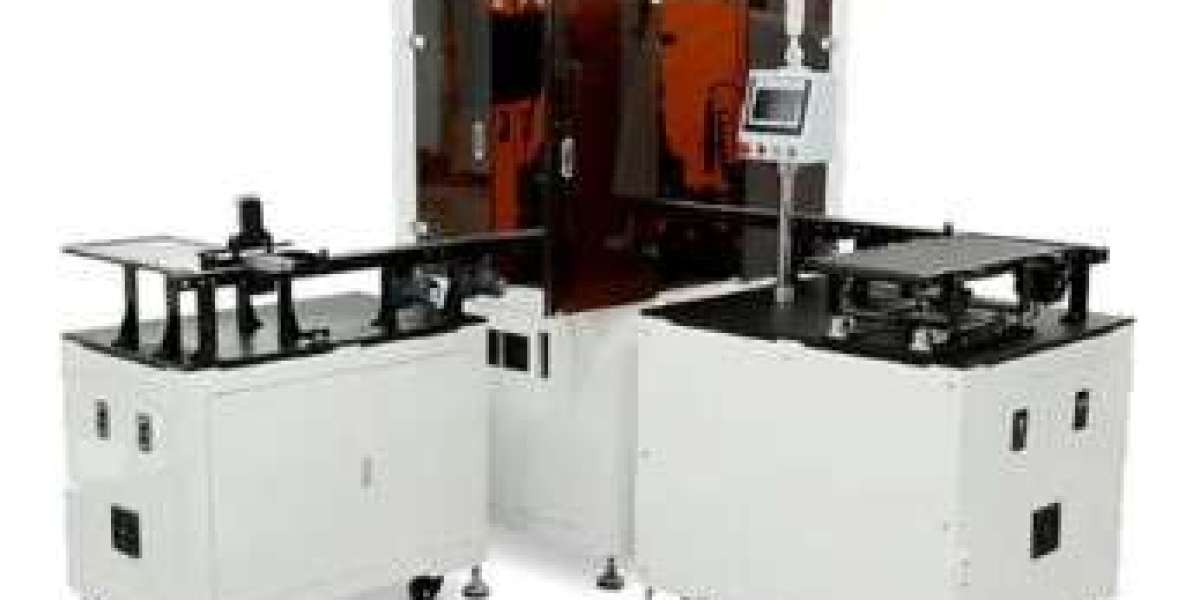
Non Standard Equipment refers to machinery or systems that are specifically designed, modified, or engineered to meet unique operational requirements. This equipment does not follow off-the-shelf specifications and is often built for a particular process, environment, or application.
Key Traits of Non Standard Equipment
Non Standard Equipment typically includes:
Custom or semi-custom design
Specialized functionality
Unique dimensions or configurations
Tailored materials or components
Limited production or one-off builds
This type of equipment is often developed when standard solutions cannot adequately address operational challenges.
Typical Examples of Non Standard Equipment
Examples include custom robotic arms designed for a specific assembly task, specialized medical devices for unique procedures, purpose-built testing rigs, or machinery designed to operate in extreme temperatures or confined spaces.
Design and Engineering Differences
Standard Equipment Design
Standard equipment is designed with universality in mind. Engineers focus on making products that fit the widest possible range of users and applications. This approach reduces development time and allows manufacturers to benefit from economies of scale.
The design process is relatively straightforward because requirements are well-defined and repeatable.
Non Standard Equipment Design
Non Standard Equipment requires a more complex engineering process. Designers must work closely with end users to understand exact requirements, constraints, and performance goals. This often involves:
Detailed requirement analysis
Custom mechanical and electrical design
Prototyping and testing
Iterative improvements
As a result, development timelines are longer, but the final solution is highly optimized for its intended purpose.
Functional Flexibility and Performance
Performance of Standard Equipment
Standard equipment performs reliably within its intended scope. It is optimized for average conditions and typical workloads. However, it may struggle when faced with unusual demands, space limitations, or specialized processes.
Performance of Non Standard Equipment
Non Standard Equipment excels in scenarios where precision, efficiency, or adaptability is critical. Because it is designed around specific requirements, it can:
Improve productivity
Reduce waste
Enhance accuracy
Integrate seamlessly into existing systems
This tailored performance is often the main reason organizations invest in Non Standard Equipment.
Cost Considerations
Initial Cost of Standard Equipment
Standard equipment generally has a lower upfront cost. Mass production reduces manufacturing expenses, and competition among suppliers helps keep prices reasonable. Installation and training costs are also typically lower due to familiarity.
Initial Cost of Non Standard Equipment
Non Standard Equipment usually requires a higher initial investment. Costs may include:
Custom engineering and design
Specialized components
Extended development timelines
Testing and validation
However, this higher upfront cost can be offset by long-term operational savings.
Long-Term Cost Comparison
While standard equipment is cheaper to purchase, it may lead to inefficiencies if it does not fully meet operational needs. Non Standard Equipment can reduce downtime, labor costs, and material waste, making it more cost-effective over time in specialized applications.
Maintenance and Support
Maintaining Standard Equipment
Maintenance for standard equipment is relatively simple. Replacement parts are widely available, and technicians are usually familiar with the systems. Documentation and support resources are easy to access.
Maintaining Non Standard Equipment
Non Standard Equipment requires more specialized maintenance. Replacement parts may need to be custom-fabricated, and technicians may require additional training. However, because the equipment is purpose-built, it can be designed with maintenance efficiency in mind.
Compliance and Safety Considerations
Standard Equipment Compliance
Standard equipment is typically designed to meet established safety and regulatory standards. This simplifies compliance and reduces the risk of regulatory issues.
Non Standard Equipment Compliance
Non Standard Equipment must also meet safety and regulatory requirements, but compliance may require additional documentation, testing, and validation. The advantage is that safety features can be tailored to specific risks, potentially improving overall workplace safety.
Scalability and Adaptability
Scalability of Standard Equipment
Standard equipment is easy to scale because identical units can be added as demand grows. This is ideal for operations that anticipate steady, predictable expansion.
Scalability of Non Standard Equipment
Scaling with Non Standard Equipment can be more complex. Each new unit may require additional design work. However, custom systems can be designed from the start with modularity in mind, allowing for future expansion.
Decision-Making: Which One Is Right for You?
Choosing between standard equipment and Non Standard Equipment depends on several factors:
Choose Standard Equipment If:
Your needs are common and well-defined
Budget constraints are a priority
Quick deployment is required
Long-term flexibility is less critical
Choose Non Standard Equipment If:
Your process has unique or complex requirements
Efficiency and precision are critical
Standard solutions create bottlenecks
Long-term performance outweighs upfront cost
In many cases, organizations use a combination of both, integrating standard equipment with Non Standard Equipment to create an optimized system.
Industry-Specific Applications
Manufacturing
In manufacturing, standard equipment is often used for general processes, while Non Standard Equipment is developed for specialized assembly lines or custom production tasks.
Healthcare
Healthcare environments frequently rely on Non Standard Equipment to address unique patient needs or specialized procedures, while standard equipment supports routine operations.
Logistics and Warehousing
Standard equipment like forklifts and shelving systems is common, but Non Standard Equipment may be required for automated sorting, custom storage solutions, or space-constrained facilities.
Advantages and Limitations Summary
Advantages of Standard Equipment
Lower upfront cost
Faster availability
Easier maintenance
Broad supplier support
Limitations of Standard Equipment
Limited customization
Potential inefficiencies
May not fit unique environments
Advantages of Non Standard Equipment
Tailored performance
Optimized efficiency
Better integration with unique processes
Competitive advantage
Limitations of Non Standard Equipment
Higher initial investment
Longer development time
Specialized maintenance needs
The Strategic Value of Non Standard Equipment
While standard equipment forms the backbone of many industries, Non Standard Equipment often represents a strategic investment rather than a simple purchase. It enables organizations to differentiate themselves, overcome operational constraints, and achieve performance levels that competitors using generic solutions may struggle to match.
In rapidly evolving industries, the ability to design and deploy Non Standard Equipment can be a decisive factor in innovation and growth.
Conclusion
The choice between standard equipment and Non Standard Equipment is not about which is better overall, but which is better for a specific application. Standard equipment offers affordability, reliability, and simplicity, making it ideal for common tasks and predictable operations. Non Standard Equipment, on the other hand, provides customization, efficiency, and precision where standard solutions fall short.


