
The Annapurna Circuit Trek is widely regarded as one of the most rewarding trekking experiences in the world, combining stunning mountain vistas, rich cultural encounters, and physically demanding trails. Over 15 days, trekkers traverse diverse landscapes, from lush subtropical valleys to barren high-altitude passes, experiencing a journey that tests endurance while offering unparalleled rewards. Understanding the challenges, the highlights, and the ultimate rewards of this trek is essential for anyone planning to embark on this Himalayan adventure.
One of the most immediate challenges of the Annapurna Circuit is the variation in altitude. The trek reaches its highest point at Thorong La Pass, standing at 5,416 meters above sea level. Ascending to this elevation requires careful acclimatization to avoid altitude sickness, which can cause headaches, nausea, and fatigue. Gradual progression, rest days in high-altitude villages like Manang, and maintaining hydration are critical for coping with these challenges. Physical preparation before the trek, including cardio and strength training, helps ensure that trekkers are equipped to handle long walking days and steep ascents.
Weather conditions present another challenge. The Himalayas are notorious for sudden changes in weather, with temperatures fluctuating dramatically between valleys and high passes. Trekking during spring (March–May) or autumn (September–November) is ideal due to clearer skies and more stable conditions, but even during these seasons, snow, wind, or rain can create difficult terrain. Proper gear, including layered clothing, waterproof jackets, and sturdy boots, is essential for maintaining safety and comfort.
The rugged terrain itself is demanding. The Annapurna Circuit combines long walking days, uneven paths, steep inclines, and occasional river crossings. Trekking poles are highly recommended to reduce stress on the knees and improve stability. While the trail is not technically challenging, its length and physical demands require stamina, determination, and mental resilience. First-time trekkers often find pacing themselves and taking short breaks throughout the day critical to completing the circuit successfully.
Despite these challenges, the rewards of the Annapurna Circuit are immense. One of the trek’s most celebrated highlights is Thorong La Pass itself. Reaching the summit at sunrise provides panoramic views of Annapurna, Dhaulagiri, and surrounding peaks. The sense of achievement and the breathtaking scenery make the physical effort worthwhile. Beyond the pass, descending into the Mustang region introduces trekkers to arid, wind-swept valleys and culturally rich villages such as Muktinath, where Hindu and Buddhist traditions coexist in harmony.
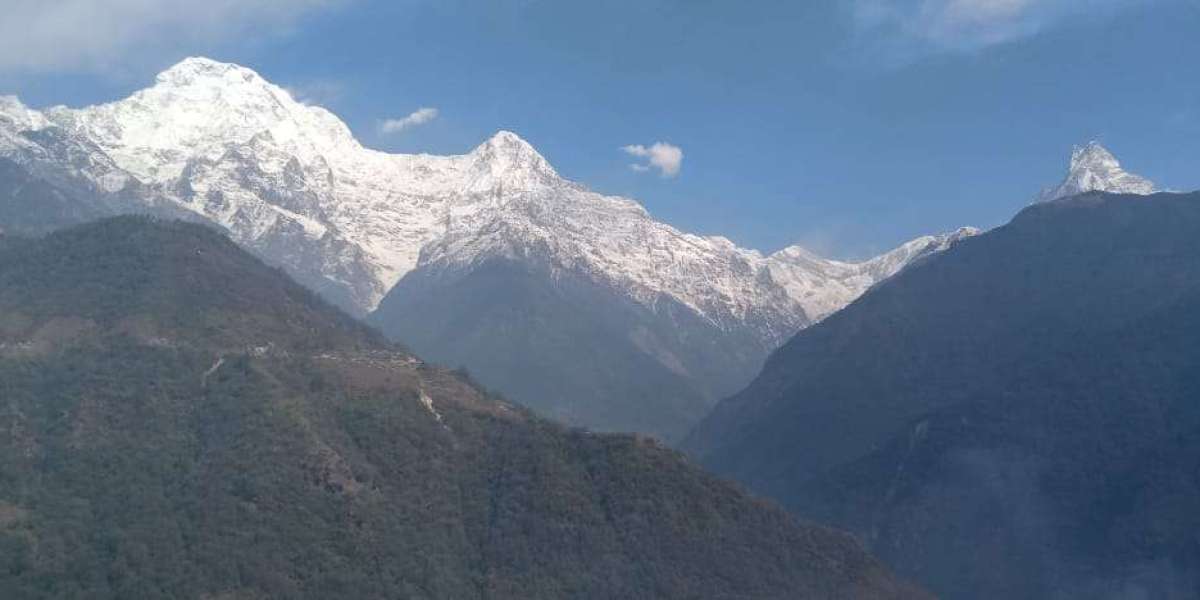
Throughout the trek, the diverse landscapes provide continuous visual rewards. The lower valleys are lush and green, dotted with terraced fields, flowing rivers, and traditional villages. Pine and rhododendron forests gradually give way to alpine terrain and dramatic high-altitude vistas. Snow-capped peaks dominate the skyline, creating spectacular photography opportunities and moments of quiet awe. Hidden valleys along the route, such as those around Marpha and Jomsom, reveal a quieter, less-traveled aspect of Nepal, where culture, history, and nature converge.
Cultural experiences are a significant highlight of the trek. Trekkers encounter Gurung, Magar, and Tibetan-influenced communities along the route, offering insight into traditional Himalayan life. Local monasteries, prayer flags, and stone houses provide a glimpse into centuries-old practices and spiritual traditions. Interacting with villagers, tasting traditional dishes such as dal bhat, and observing daily life adds depth to the trekking experience, creating memories beyond the natural scenery.
Accommodation and food along the trail also contribute to the trek’s rewards. Teahouses offer simple lodging, warm meals, and opportunities to rest and interact with fellow trekkers. From steaming bowls of soup and noodles to the traditional dal bhat, meals are designed to sustain energy for long walking days. Staying in teahouses also fosters connections with local families and provides a chance to experience authentic mountain hospitality, which becomes part of the overall adventure.
Finally, the Annapurna Circuit rewards trekkers with a sense of personal accomplishment. Completing 15 days of continuous trekking, overcoming altitude challenges, and navigating rugged terrain instills confidence and leaves a lasting impression of perseverance and resilience. The combination of natural beauty, cultural encounters, and personal achievement makes this trek transformative for many travelers, creating memories that endure long after returning home.
In conclusion, the Annapurna Circuit Trek in 15 days presents a mix of challenges, rewards, and highlights that make it a truly extraordinary journey. From the physical demands of high-altitude trekking and unpredictable weather to the breathtaking views of Thorong La Pass and the hidden cultural gems of Mustang, every aspect contributes to a rich and memorable experience. For adventurers seeking both natural splendor and cultural immersion, the Annapurna Circuit offers an unparalleled Himalayan adventure, blending challenge and reward in perfect harmony.