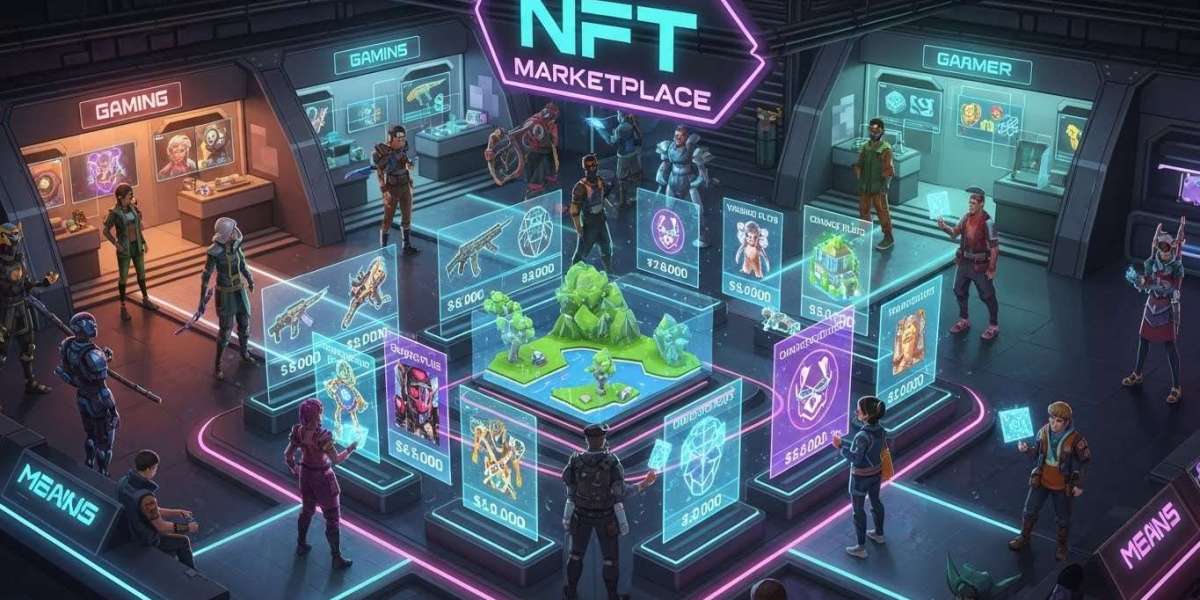

The gaming industry is undergoing a revolutionary shift with the integration of blockchain technology and NFTs. NFT marketplaces for gaming platforms are becoming crucial hubs where players can trade, buy, or sell digital assets securely. Developing a scalable NFT game marketplace ensures that platforms can handle an increasing number of users, transactions, and digital assets without compromising performance or security. Scalability is not just a technical requirement; it directly impacts user experience, retention, and the platform’s ability to evolve with emerging gaming trends. By combining blockchain technology, smart contracts, and optimized architecture, developers can create NFT marketplaces that are secure, high-performing, and adaptable to future growth in the gaming ecosystem.
Understanding the Core Architecture of NFT Marketplaces
A well-structured architecture forms the backbone of a successful NFT marketplace. Without a strong foundation, even the most innovative features can become bottlenecks under high traffic or asset volume. Understanding how blockchain, databases, and modular components interact helps developers anticipate future growth and scalability challenges. By focusing on architectural planning early in development, marketplaces can ensure seamless transactions, fast asset retrieval, and reliable uptime. NFT game marketplace development thrives on architectures that balance decentralization, performance, and maintainability, allowing gaming platforms to expand without requiring major system overhauls as user demands increase.
Layered Blockchain Integration: Incorporating multiple blockchain layers can enhance transaction speed and reduce network congestion. Utilizing layer-2 solutions helps in scaling the marketplace while maintaining decentralized security.
Database Optimization: Choosing the right database solutions, such as NoSQL for storing metadata and high-speed caching for frequent queries, ensures seamless operations. Optimized databases reduce latency during peak usage hours.
Modular System Design: A modular architecture enables independent updating and scaling of marketplace components, like asset storage, payment modules, and user management, without disrupting overall functionality.
Smart Contract Development and Security Protocols
Smart contracts are the core mechanism through which NFT marketplaces enforce rules, manage ownership, and execute trades automatically. These digital agreements reduce reliance on intermediaries and increase trust among users. However, poorly written smart contracts can introduce vulnerabilities that may result in financial loss or compromised platform integrity. Prioritizing security, auditability, and flexibility ensures that contracts remain functional and safe even as the marketplace grows. NFT game marketplace development depends heavily on smart contracts that are not only efficient but also adaptable to evolving gaming scenarios, enabling unique asset interactions while maintaining rigorous security standards.
Automated Transaction Management: Smart contracts automate complex processes like minting, transferring, and selling NFTs. Properly coded contracts prevent human error and reduce operational overhead.
Security Audits: Conducting thorough smart contract audits protects against vulnerabilities such as reentrancy attacks or overflow issues. Security ensures user trust and long-term viability.
Customizable Contract Logic: Offering flexible contract parameters allows developers and gamers to define unique asset rules, royalties, and transfer limitations, enhancing the marketplace’s adaptability to various game ecosystems.
Scalability Solutions for High Traffic Platforms
NFT marketplaces often experience sudden surges in traffic due to popular game releases, NFT drops, or community-driven events. Without adequate scalability solutions, these spikes can lead to slow performance, failed transactions, or even complete downtime, impacting user trust. Understanding the technical strategies required for scaling, including horizontal expansion, caching, and load balancing, is crucial for long-term marketplace success. Effective scalability ensures that growth does not compromise user experience. NFT game marketplace development must focus on creating resilient systems capable of handling peak loads while remaining responsive, secure, and adaptable to future increases in traffic.
Horizontal Scaling: Distributing workloads across multiple servers or instances reduces bottlenecks and maintains stable performance during high demand.
Content Delivery Networks (CDNs): CDNs can cache game assets and NFT images globally, reducing latency for international users and improving marketplace responsiveness.
Efficient Load Balancing: Implementing intelligent load balancing algorithms ensures even distribution of user requests across servers, preventing downtime and maintaining transaction integrity.
User Experience and Interface Design
User experience is a critical differentiator for NFT marketplaces. Players need intuitive navigation, clear information, and responsive design to feel confident while trading or managing digital assets. Poor interface design can lead to user frustration and reduced engagement, while a well-thought-out UX fosters loyalty and repeated use. By prioritizing usability, transparency, and accessibility, marketplaces can cater to both novice and experienced users. NFT game marketplace development relies on interfaces that balance aesthetics with functionality, enabling users to explore and trade digital assets effortlessly while maintaining trust and transparency throughout their interactions.
Simplified Onboarding: Seamless account setup and wallet integration reduce friction for users entering the NFT ecosystem. Clear instructions for asset trading enhance engagement.
Responsive and Interactive UI: A marketplace interface optimized for various devices ensures consistent experiences for desktop and mobile users, encouraging higher retention.
Transparency Features: Displaying transaction history, NFT authenticity, and royalties in real-time fosters trust and keeps users informed about their digital assets.
Integration with Gaming Platforms
For NFT marketplaces to provide meaningful value, they must integrate seamlessly with gaming platforms. This integration enables in-game assets to retain their NFT characteristics, allowing players to use, trade, or upgrade items without losing functionality. Strong integration also allows developers to synchronize events, rewards, and asset management across platforms. NFT game marketplace development requires well-planned APIs, cross-platform support, and dynamic asset handling to ensure a unified experience for users, bridging the gap between gaming worlds and blockchain-based marketplaces while maintaining performance and security.
API Connectivity: APIs link game engines and NFT marketplaces, enabling real-time asset updates and automated ownership verification.
Cross-Platform Support: Supporting multiple gaming platforms ensures broader adoption, allowing players from different devices to interact with the marketplace.
Dynamic Asset Management: Integration allows in-game items to retain their NFT properties when used, traded, or upgraded, maintaining continuity between gaming and marketplace activities.
Payment Systems and Token Economy
A successful NFT marketplace requires robust payment systems that manage cryptocurrency and token-based transactions reliably. Efficient financial infrastructure ensures quick, transparent, and low-cost exchanges for users. Additionally, token economies can incentivize platform engagement through rewards, staking, or loyalty programs. NFT game marketplace development thrives when marketplaces provide secure, multi-currency support while fostering a dynamic economy that benefits both players and developers. Well-designed payment systems also help maintain liquidity, reduce fees, and improve the overall user experience in NFT trading ecosystems.
Multi-Currency Support: Supporting major cryptocurrencies and native game tokens enhances flexibility for buyers and sellers.
Transaction Optimization: Minimizing gas fees and optimizing transaction confirmations improve user satisfaction and lower operational costs.
Reward and Staking Mechanisms: Implementing token rewards and staking options encourages users to participate actively, increasing platform liquidity and engagement.
Conclusion
Building a scalable NFT marketplace for gaming platforms is a multifaceted endeavor that combines advanced technology, strategic planning, and user-focused design. From robust architecture and secure smart contracts to seamless gaming integration and efficient payment systems, every element plays a critical role in ensuring platform stability, performance, and trust. NFT game marketplace development is not just about creating a trading space it is about establishing an ecosystem where digital assets, gameplay, and community engagement intersect. By prioritizing scalability, security, and user experience, developers can deliver marketplaces that grow sustainably, support vibrant player communities, and shape the future of blockchain gaming.