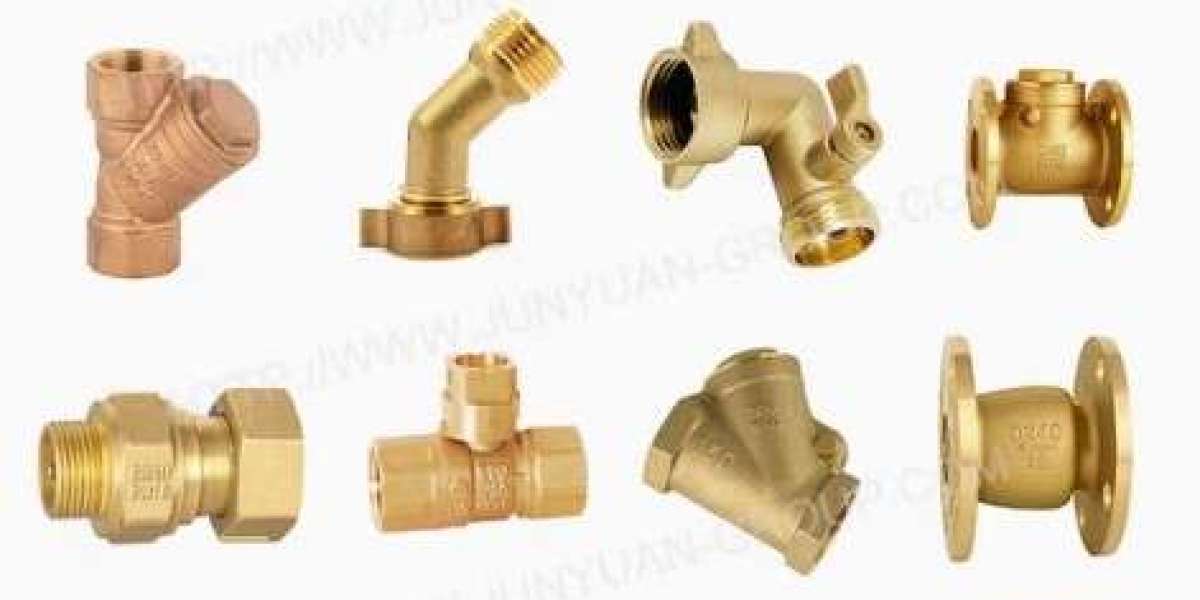

How Plastic Check Valves Improve System Efficiency
In modern fluid handling systems, efficiency and reliability are crucial for both industrial and residential applications. Among the many components that contribute to smooth operation, Plastic Non-return Check Valves play a critical role. These valves are designed to allow fluid to flow in one direction while preventing backflow, ensuring system integrity and reducing operational inefficiencies. This article will explore how plastic check valves enhance system performance, the benefits they offer over traditional materials, and their applications across various industries.
Understanding Plastic Non-return Check Valves
A Plastic Non-return Check Valve is a type of valve that permits fluid flow in only one direction. Unlike standard valves that require manual operation, check valves are self-actuating—they automatically open when the fluid flows in the correct direction and close to prevent reverse flow. Made from durable plastics such as PVC, CPVC, or polypropylene, these valves are lightweight, corrosion-resistant, and cost-effective alternatives to metal counterparts.
The primary components of a plastic check valve include:
Valve Body: The main structure, usually molded from plastic, that houses the internal components.
Disc or Piston: The moving part that allows or blocks flow depending on the direction of the fluid.
Seat: The surface against which the disc seals to prevent backflow.
Spring (in some designs): Provides additional closing force to ensure tight sealing under low-pressure conditions.
The simplicity of this design ensures minimal maintenance and a long operational life, making plastic check valves ideal for a wide range of fluid systems.
How Plastic Check Valves Improve System Efficiency
The efficiency of a fluid system depends on the smooth flow of liquids without interruptions or losses. Plastic Non-return Check Valves enhance efficiency in multiple ways:
1. Preventing Backflow
Backflow occurs when fluid reverses direction, potentially damaging pumps, compressors, or other equipment. By preventing backflow, a plastic check valve protects system components from excessive wear and tear, reducing downtime and maintenance costs. This protection ensures the system operates consistently at optimal efficiency, avoiding energy losses caused by reverse flow.
2. Reducing Energy Consumption
When a system experiences backflow, pumps must work harder to maintain the required flow rate. This extra workload increases energy consumption and operational costs. With a properly installed plastic check valve, the fluid flows smoothly in the intended direction, reducing the energy demand on pumps and other equipment. Over time, this efficiency translates to significant savings.
3. Minimizing Pressure Loss
Plastic check valves are designed with streamlined flow paths that reduce turbulence and pressure drops within the system. Unlike some metal valves that may have rough internal surfaces or heavier components, the smooth interior of plastic valves allows fluid to move with minimal resistance. This characteristic not only improves flow efficiency but also helps maintain consistent pressure levels throughout the system.
4. Enhancing System Longevity
Frequent pressure surges, vibration, and reverse flow can shorten the lifespan of pumps, pipes, and other critical components. By eliminating backflow, Plastic Non-return Check Valves reduce mechanical stress, helping the entire system last longer. This longevity minimizes downtime, lowers maintenance frequency, and contributes to overall system efficiency.
5. Lightweight and Corrosion-Resistant Design
Plastic materials used in check valves, such as PVC and polypropylene, are inherently resistant to corrosion, scaling, and chemical attack. This resistance ensures consistent performance over time, even in aggressive chemical environments. Additionally, the lightweight design makes installation easier and reduces strain on supporting structures, contributing indirectly to system efficiency by minimizing mechanical stress.
Benefits of Plastic Non-return Check Valves Over Metal Valves
While metal check valves have traditionally dominated industrial applications, plastic variants offer several advantages that improve system efficiency and operational performance:
Cost-Effectiveness: Plastic valves are generally more affordable than metal alternatives, reducing initial investment and replacement costs.
Corrosion Resistance: Unlike metal valves, plastic valves do not rust or corrode, making them ideal for water, chemical, and acidic fluid systems.
Ease of Installation: Lightweight and easier to handle, plastic valves require less labor and equipment for installation.
Low Maintenance: The smooth internal surfaces prevent scaling and sediment buildup, reducing the need for frequent cleaning.
Noise Reduction: Plastic valves tend to operate more quietly than metal valves, minimizing system noise caused by fluid turbulence or valve operation.
These benefits collectively enhance system efficiency by ensuring smoother operation, reducing downtime, and lowering maintenance costs.
Applications of Plastic Non-return Check Valves
Plastic check valves are versatile components suitable for a wide range of applications, including:
1. Water Supply Systems
In residential and commercial water systems, preventing backflow is essential to maintain water quality and pressure. Plastic check valves ensure that water flows in the intended direction, preventing contamination and pressure fluctuations.
2. Chemical Processing
Industries dealing with corrosive chemicals benefit from the chemical resistance of plastic check valves. These valves can handle acids, bases, and other reactive fluids without corroding or compromising system integrity.
3. Irrigation and Agriculture
Plastic check valves are widely used in irrigation systems to prevent water from flowing back into pumps and reservoirs. Their lightweight construction makes them easy to integrate into extensive piping networks, ensuring consistent water distribution.
4. HVAC and Cooling Systems
In heating, ventilation, and air conditioning (HVAC) systems, check valves prevent backflow in water and refrigerant circuits. By maintaining consistent flow, these valves help optimize system performance and energy efficiency.
5. Aquaculture and Wastewater Treatment
In aquaculture, clean water flow is crucial for fish health. Plastic check valves prevent backflow, maintaining water quality. Similarly, in wastewater treatment plants, these valves ensure unidirectional flow, improving overall system efficiency.
Installation and Maintenance Tips for Maximum Efficiency
To ensure that a Plastic Non-return Check Valve improves system efficiency as intended, proper installation and maintenance are key:
Correct Orientation: Check valves must be installed in the right direction, following the flow arrow on the valve body. Incorrect installation will prevent fluid flow and reduce efficiency.
Clean System: Ensure that the piping system is free of debris before installation, as particles can prevent the valve from sealing properly.
Pressure Considerations: Verify that the system pressure is within the valve’s rated limits. Excessive pressure may damage the valve or cause leakage.
Regular Inspection: Periodically check for wear, sediment buildup, or cracks in the valve body. While plastic valves are durable, routine inspection ensures continued performance.
Avoid Over-tightening: When connecting threaded valves, avoid over-tightening, which can crack plastic components and compromise sealing.
By following these practices, plastic check valves can provide long-term efficiency gains with minimal maintenance.
Future Trends in Plastic Check Valve Technology
The demand for Plastic Non-return Check Valves continues to grow as industries prioritize energy efficiency and sustainable solutions. Future trends include:
Advanced Materials: Development of high-performance plastics capable of withstanding higher pressures and temperatures, expanding the range of applications.
Smart Integration: Incorporating sensors to monitor flow and valve performance in real-time, enabling predictive maintenance and further efficiency improvements.
Eco-Friendly Manufacturing: Use of recycled plastics and environmentally friendly production methods to reduce carbon footprint.
Customization: Valves tailored to specific flow rates, pressures, and chemical compatibilities for optimized system performance.
These innovations suggest that plastic check valves will become even more essential for efficient fluid handling in the coming years.
Conclusion
Plastic Non-return Check Valves are indispensable components in modern fluid systems. By preventing backflow, reducing energy consumption, minimizing pressure loss, and protecting system components, they significantly improve system efficiency. Their lightweight, corrosion-resistant, and cost-effective design makes them a superior choice over traditional metal valves in many applications, from water supply and irrigation to chemical processing and HVAC systems.