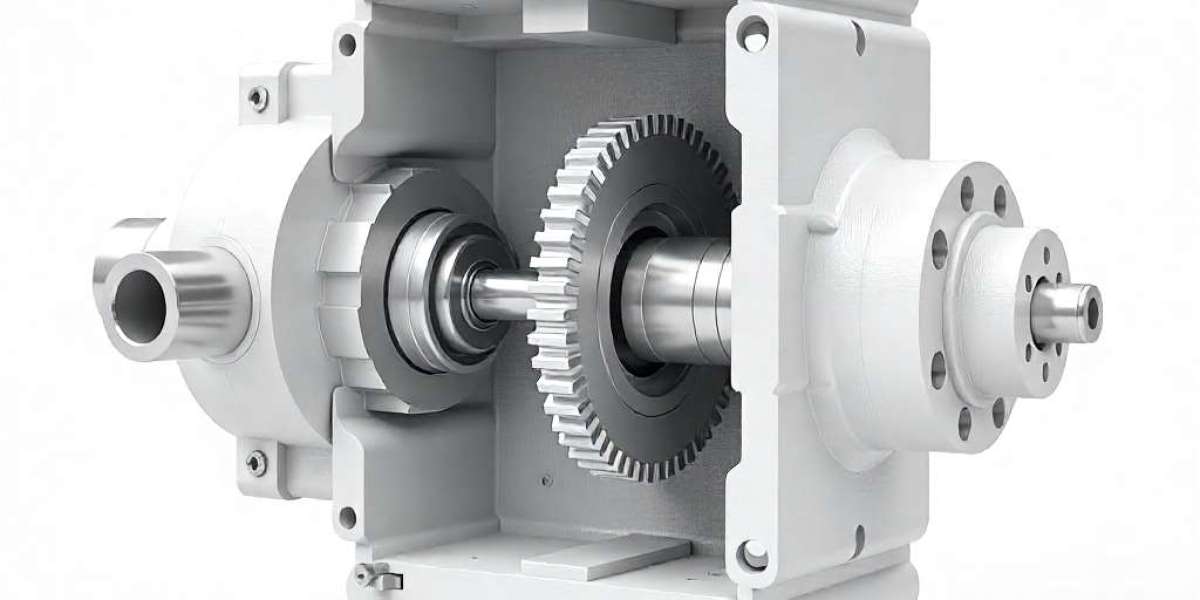

Hydraulic systems remain at the heart of modern industry because they deliver something few technologies can combine effectively: raw power with controlled motion. At the center of this capability are hydraulic pumps and motors, the hydraulic cylinder, and increasingly important safety components like the load sensing proportioning valve brake system. Together, these elements shape how machines move, stop, lift, and operate safely under varying loads.
Hydraulic pumps and motors form the energy loop of any hydraulic system. The pump converts mechanical energy into hydraulic flow, while the motor reverses the process, converting hydraulic energy back into mechanical motion. This relationship allows machines to generate high torque and force even in compact designs. What makes modern systems different from older designs is not just higher power, but better control. Pumps and motors today are designed to work efficiently across changing speeds and pressures, reducing wasted energy and improving responsiveness.
That energy, once generated, is often transformed into linear motion by the hydraulic cylinder. Cylinders are responsible for pushing, pulling, lifting, and positioning loads across industries such as construction, manufacturing, material handling, agriculture, and mobile equipment. What makes a hydraulic cylinder so effective is its ability to deliver smooth, consistent force even under heavy loads. Whether extending a boom, clamping a mold, or positioning a platform, the cylinder translates fluid pressure into controlled, predictable movement.
However, as machines became more powerful, the importance of controlled stopping and braking grew significantly. This is where the load sensing proportioning valve brake system plays a critical role. Unlike traditional braking systems that apply fixed braking pressure, load sensing brake systems automatically adjust braking force based on the actual load being carried. This prevents over-braking when the load is light and ensures sufficient braking force when the load is heavy.
In practical terms, this means safer operation and longer component life. In mobile machinery, for example, a vehicle carrying a heavy load requires more braking force than one operating empty. A load sensing proportioning valve reads the hydraulic pressure associated with the load and adjusts the brake pressure accordingly. This results in smoother deceleration, improved stability, and reduced risk of wheel lock or skidding.
The interaction between pumps, motors, cylinders, and load sensing brake systems is where system intelligence truly appears. The pump supplies just enough flow, the motor delivers controlled rotation, the cylinder executes precise movement, and the brake system ensures safe stopping—all while adapting continuously to changing operating conditions. When properly designed, the system feels balanced and predictable, even during complex or demanding tasks.
Another advantage of load sensing brake systems is reduced mechanical stress. Sudden braking forces can damage seals, hoses, and structural components over time. By proportioning brake pressure accurately, the system reduces shock loads, improving reliability and lowering maintenance requirements. This becomes especially valuable in equipment that operates continuously or under variable loads.
From an efficiency perspective, modern hydraulic pumps and motors are increasingly paired with load-aware systems that minimize unnecessary pressure generation. Instead of forcing maximum pressure throughout the circuit, the system responds dynamically to actual demand. This reduces heat generation, improves fuel or power efficiency, and keeps hydraulic oil in better condition over longer operating cycles.
As industries continue to demand safer, more efficient, and more controllable machines, the integration of load sensing brake technology with high-quality hydraulic pumps, motors, and cylinders is no longer optional—it is expected. These components no longer operate in isolation. They function as part of a coordinated system designed to deliver power with precision and safety.
In this evolving landscape, well-engineered hydraulic systems are not just about moving heavy loads. They are about doing so smoothly, safely, and efficiently, every time.